
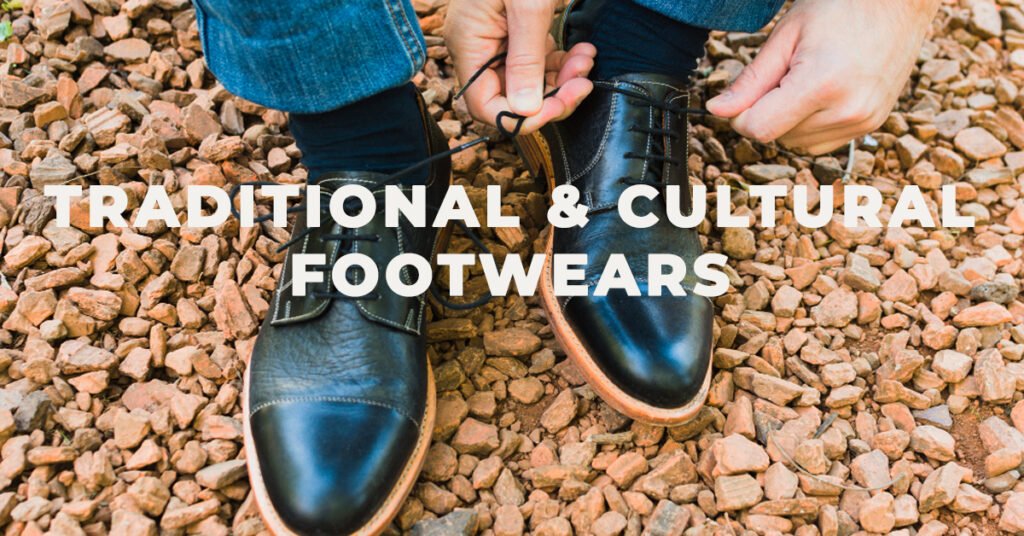
When it comes to footwear, not everything has to scream “modern.”
Sometimes, the most elegant and timeless pairs come from our own roots — handcrafted, detailed, and made to complement Indian wear like kurtas, sherwanis, and festive outfits.
That’s the beauty of traditional and cultural footwear — they carry history, artistry, and comfort, all stitched together.
Why Traditional Footwear Still Matters
In an age of sneakers and slides, traditional footwear adds that touch of authenticity to Indian dressing.
Whether it’s a wedding, a pooja, or a festive gathering, a good pair of ethnic shoes doesn’t just complete the outfit — it tells a story.
It’s about representing our culture with pride, but with a bit of modern comfort.
Popular Types of Traditional & Cultural Footwear
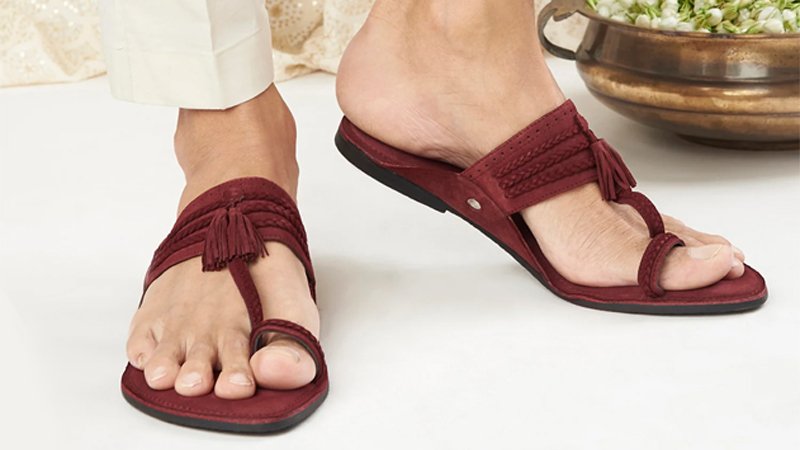
Kolhapuri Chappals
Originating from Maharashtra, these are handcrafted leather sandals with intricate patterns.
Best for: Kurta–pyjama sets, Nehru jackets, and casual ethnic wear.
Pro tip: Choose tan or brown shades — they age beautifully.
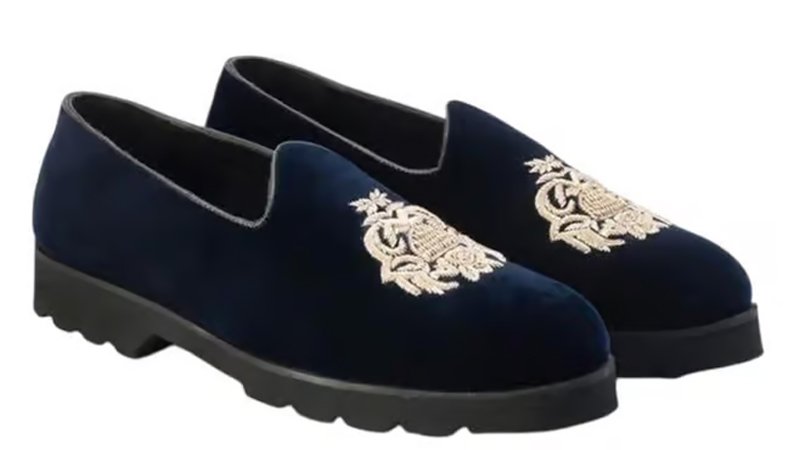
Juttis / Mojaris
North India’s iconic footwear, often embroidered or embellished.
Best for: Weddings, festive events, or sherwani looks.
Bonus: Available in both men’s and women’s styles — pairs beautifully with suits and sarees.
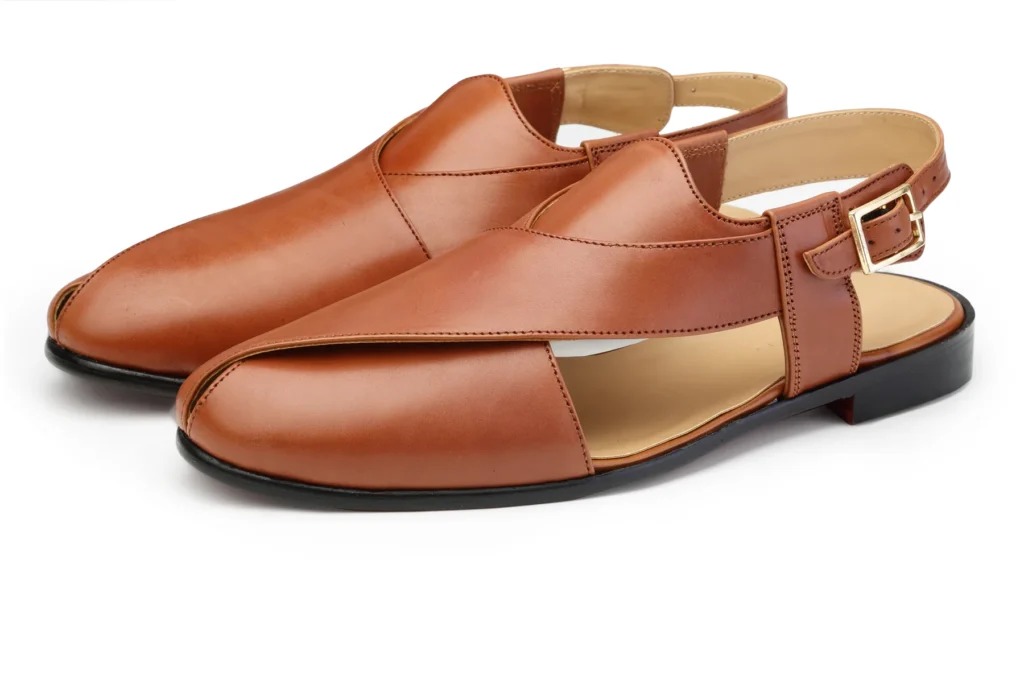
Peshawari Sandals
Originating from Pakistan’s Peshawar region, they’ve become a unisex Indian favorite.
Best for: Modern Indo-western outfits or semi-traditional functions.
Pro tip: Black or dark brown leather works with both kurtas and jeans.
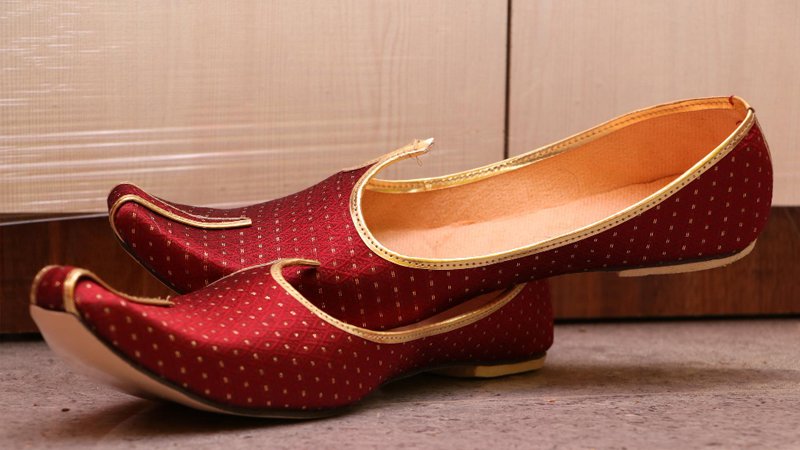
Nagras / Punjabi Juttis
A slightly flatter, more flexible version of juttis — great for dancing and long events.
Best for: Groomsmen or wedding guests.
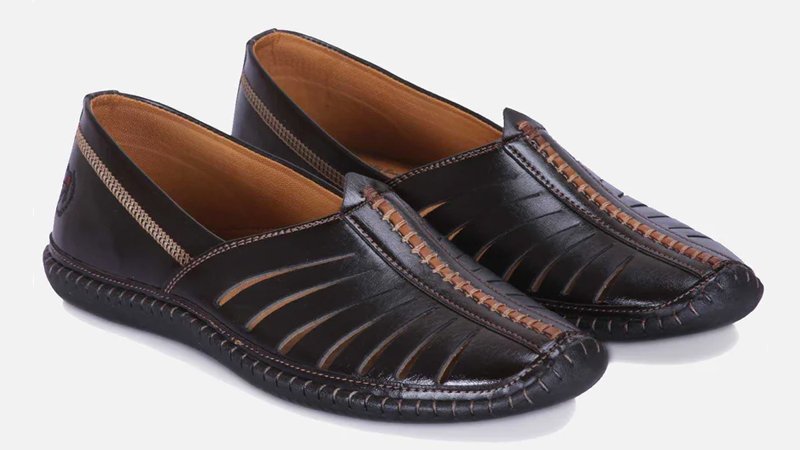
Ethnic Loafers / Slip-Ons
Modern reinterpretation of juttis, often cushioned with soft soles.
Best for: Anyone who wants ethnic style with sneaker-like comfort.
Material & Craftsmanship
Traditional shoes are mostly handmade using:
Genuine leather or vegan leather alternatives
Cotton or silk thread embroidery
Cushioned inner soles (modern versions add this for comfort)
Rubber or leather outsoles for durability
Pro Tip: If you’re buying Kolhapuris or Juttis, look for hand-stitched pairs — they last longer and mold perfectly to your feet over time.
My Honest Brand Recommendations (2025 Picks)
Budget (Under ₹1500): Ajanta, Khadim’s, Paragon — simple, affordable ethnic sandals.
Mid-Range (₹1500–₹4000): Mochi, Metro, Fausto, Solethreads — comfortable and stylish ethnic loafers.
Premium (₹4000+): Fizzy Goblet, The Tie Hub, JuttiExpress — handcrafted, luxury-grade pairs perfect for weddings.
Pro Tip: Buy one neutral color (tan or beige) and one detailed embroidered pair — it’ll cover both daily ethnic and festive looks.
How to Style Traditional Footwear
| Footwear Type | Outfit Pairing | Style Tip |
|---|---|---|
| Kolhapuri Chappals | Cotton kurta, linen pants | Add a watch with a brown strap for balance |
| Juttis | Sherwani, Indo-western suit | Keep pants tapered for a clean line |
| Peshawari Sandals | Pathani suit, straight trousers | Roll up sleeves for a regal, effortless look |
| Ethnic Loafers | Fusion wear, nehru jacket set | Go for subtle embroidery — less is classy |
💡 Style Note: Traditional footwear pairs best with clean, well-ironed ethnic fits — it’s all about the finish.
My Final Verdict
Traditional footwear isn’t just about culture — it’s about character.
Each pair is a reminder that style doesn’t always come from trends — sometimes, it comes from tradition.
So next time you’re dressing up for a wedding or a festival, skip the sneakers.
Pick a handcrafted jutti or Kolhapuri — it’ll instantly lift your outfit, your posture, and honestly, your confidence.
Because true fashion doesn’t just come from what’s new — it comes from knowing where it all began.