
Women’s Fashion and History: How Style Changed Through Time
Meta Description: Learn how women’s fashion changed from ancient Egypt to today. Explore how clothing has shown culture, power, and identity through history.
Introduction: The Changing Story of Women’s Fashion
Fashion tells stories — not just about clothes, but about people, power, and freedom.
For women, clothing has always been more than fabric. It has reflected beauty, class, and courage.
From Cleopatra’s gold dresses to today’s eco-friendly styles, fashion shows how women have shaped the world.
Ancient Civilizations: Where Fashion Began
Egyptian Style and Grace
Women in ancient Egypt wore simple linen dresses. Jewelry, wigs, and gold belts showed status and wealth.
Queen Cleopatra set early fashion trends with her bold makeup and detailed gowns.
Greek and Roman Elegance
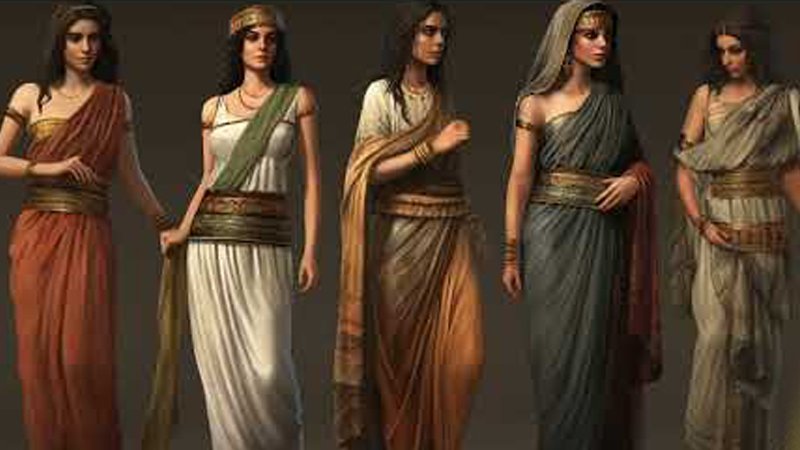
Greek women wore loose draped outfits like chitons. Romans added colors, silk, and jewels to their wardrobes.
The Middle Ages: Modesty and Class
Women in medieval times dressed in long gowns and layers.
Rich women wore silk and velvet, while peasants wore wool or linen.
Fashion was not just style — it showed class and faith.
Women’s outfits often covered their arms, chest, and head, reflecting modesty and tradition.
The Renaissance and Baroque Eras: The Age of Elegance
The Renaissance celebrated beauty and art. Women wore corsets, lace, and velvet dresses.
In Europe, especially France, fashion became a form of royal expression.
During the Baroque era, dresses had full skirts, embroidery, and rich details.
The 18th and 19th Centuries: Change and Class
The French Influence
In 18th-century France, fashion exploded with color and creativity.
Women wore big skirts, wigs, and corseted tops, often inspired by Queen Marie Antoinette.
The Victorian Era
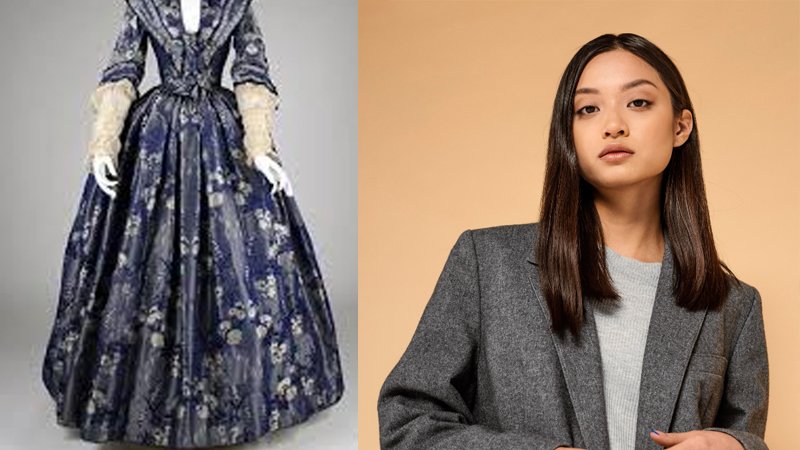
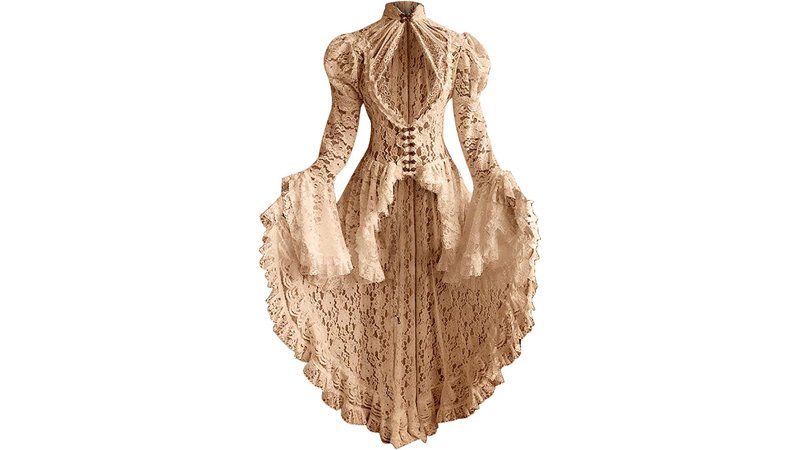
Under Queen Victoria, women wore long, fitted dresses that showed elegance but also restraint.
Black became popular after her husband’s death — starting the trend of mourning fashion.
The Early 20th Century: Freedom in Fashion
The 1920s Flapper Era
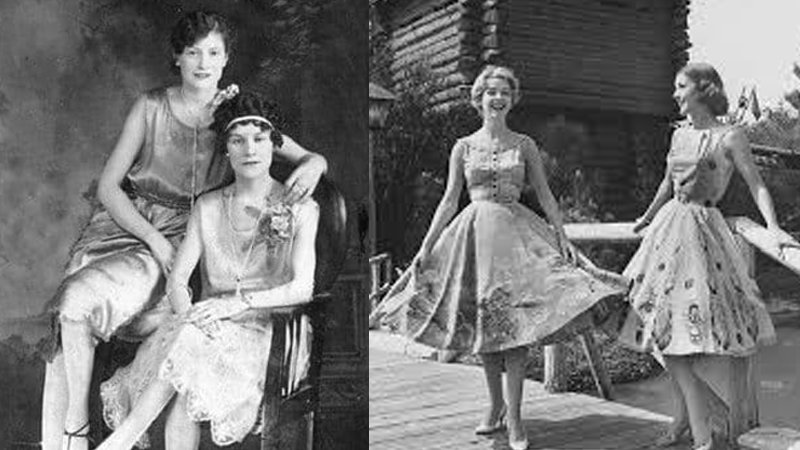
After World War I, women wanted freedom. Shorter skirts, loose dresses, and bobbed hair became the new normal.
Fashion now meant fun, movement, and change.
The 1940s and War-Time Fashion
During World War II, clothing became simpler. Women worked in factories and wore trousers, shirts, and jackets. Utility replaced luxury.
The 1950s: Glamour Returns
Christian Dior’s “New Look” brought back full skirts and narrow waists — symbolizing grace and hope after hard times.
The Late 20th Century: Style Meets Identity
The 1960s: Youth and Change
The mini skirt, bold prints, and colorful tights changed everything. Women embraced individuality and fun.
The 1970s and 1980s: Freedom and Power
The 1970s brought boho styles and disco fashion, while the 1980s introduced shoulder pads and power suits, reflecting women’s growing influence at work.
The 1990s: Simple Yet Stylish
Minimalism ruled. Slip dresses, denim jackets, and casual looks became everyday wear.
The 21st Century: Fashion for Every Woman
Fast Fashion vs. Sustainability
Affordable clothing became accessible to everyone, but at a cost — the planet.
Now, more women choose sustainable and ethical fashion.
Streetwear and Gender-Neutral Trends
Modern fashion mixes comfort and creativity — sneakers, oversized shirts, and unisex pieces are now stylish and inclusive.

Global Influence on Women’s Fashion
India’s Rich Heritage
Indian fashion blends art and culture. From sarees and lehengas to fusion wear, it’s timeless and expressive. Designers like Sabyasachi and Ritu Kumar blend tradition with modern elegance.
Western Trends and Their Reach
Paris and Milan shaped modern style. Runways turned fashion into a global conversation.
Fusion Fashion Today
Now, women mix cultures — pairing jeans with kurtas, sarees with sneakers, or blazers with ethnic prints.
Icons Who Changed Women’s Fashion
Coco Chanel
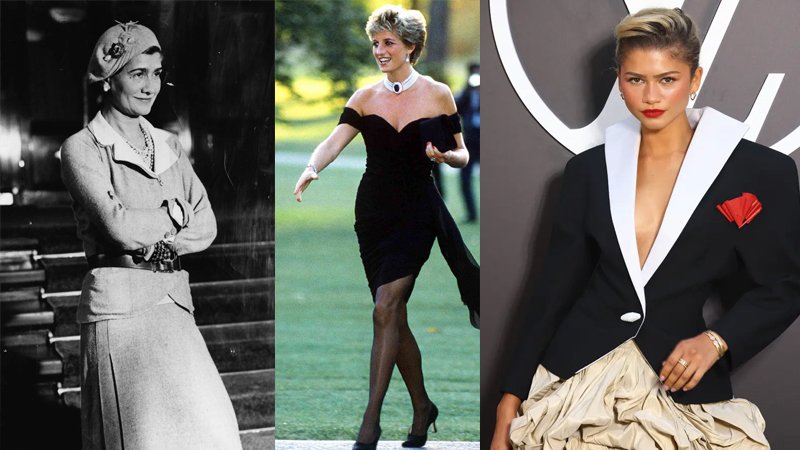
Chanel simplified fashion, giving women freedom to move. Her suits and little black dress changed style forever.
Audrey Hepburn and Princess Diana
Audrey brought elegance; Diana made bold choices that broke royal norms.
Modern Icons
Rihanna, Zendaya, and Deepika Padukone inspire confidence and inclusivity for today’s generation.
Technology and Fashion: A New Era
Fashion meets tech — digital shows, 3D clothing, and AI design are transforming the industry.
Social media makes trends travel faster than ever — now, anyone can be a trendsetter.
The Future of Women’s Fashion
The future is green and digital. Designers use recycled materials, AI helps with virtual fittings, and fashion is for everyone — not just models.
FAQs: Women’s Fashion and History
Q1: When did women start wearing pants?
A: Around World War II, when they worked in factories and needed comfort.
Q2: Who changed women’s fashion the most?
A: Coco Chanel — she made clothing elegant and comfortable at once.
Q3: How did the 1920s change fashion?
A: It brought shorter skirts, bold makeup, and freedom of movement.
Q4: What’s the biggest trend today?
A: Sustainable and inclusive fashion.
Q5: How is technology changing fashion?
A: Through digital shows, AI designs, and virtual clothing.
Conclusion: Fashion Is Freedom
Fashion has always been more than clothes — it’s a way for women to speak without words.
Every era, from ancient queens to modern icons, tells a story of power, art, and freedom.
The message stays timeless: fashion changes, but confidence never goes out of style.
Disclaimer:
All trademarks, logos, product names, and brand identifiers mentioned on FashionAudit.com are the property of their respective owners. They are used solely for the purpose of product review, comparison, and consumer information. FashionAudit.com does not claim any ownership of these marks.
No copyright or trademark infringement is intended. If any brand or rights holder believes their intellectual property has been misused, they can contact us directly and we will address the issue promptly.