
Disclaimer:
All trademarks, logos, product names, and brand identifiers mentioned on FashionAudit.com are the property of their respective owners. They are used solely for the purpose of product review, comparison, and consumer information. FashionAudit.com does not claim any ownership of these marks.
No copyright or trademark infringement is intended. If any brand or rights holder believes their intellectual property has been misused, they can contact us directly and we will address the issue promptly.
Introduction: The Rise of Replica Watches in 2025
In today’s luxury market, fake watches have become alarmingly sophisticated. From counterfeit Rolexes to imitation TAG Heuers, replicas often mimic design so well that even seasoned buyers can be deceived. For this reason, knowing how to check watch authenticity is crucial for ensuring you make a genuine purchase.
However, as Fashion Audit highlights, learning how to check watch authenticity isn’t just for collectors — it’s for anyone who values their investment.
This comprehensive guide breaks down the 10 proven ways to verify a genuine watch, ensuring your next purchase is 100% authentic.
1. Examine the Serial and Model Numbers Carefully
Every genuine watch carries a unique serial and model number, usually engraved discreetly on the case or lugs.
- Check placement: Different brands place serials differently (e.g., Rolex between the lugs, Omega on the back).
- Look for precision: Genuine engravings are sharp, deep, and clean, not etched or printed.
- Verify online: Many brands allow online authenticity checks using serial databases.
Fashion Audit Tip: If the serial looks faint, misaligned, or inconsistent in font — it’s a red flag.
2. Observe the Logo and Brand Markings
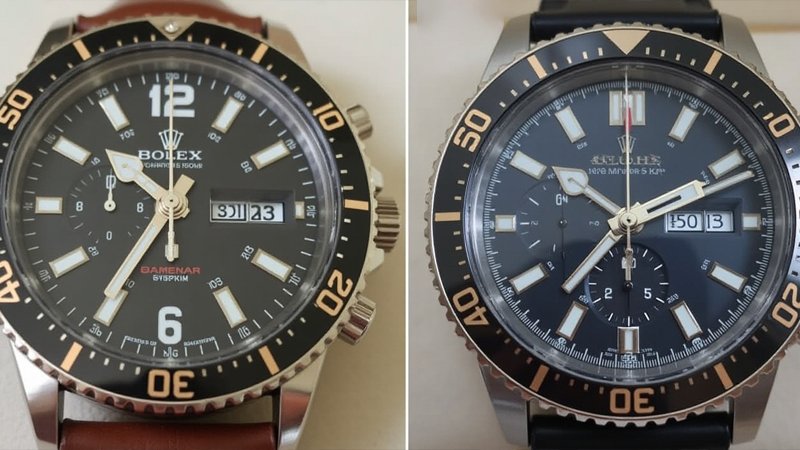
Luxury brands are extremely meticulous with logos. Fake watches often have slight misprints, off-center logos, or incorrect fonts.
- Compare your watch with official images on the brand’s website.
- Examine the dial text — genuine watches never have uneven spacing or spelling errors.
- Check for laser-etched insignias (e.g., Rolex’s tiny crown on the sapphire crystal).
3. Feel the Weight and Build Quality
Authentic watches are crafted with premium materials, making them noticeably heavier and sturdier than fakes.
- A genuine stainless-steel watch feels solid, while replicas often use hollow metals.
- The bracelet links of authentic watches move fluidly, not loosely or rigidly.
- The crown and buttons operate smoothly with a tactile click, not resistance.
Because quality can’t be faked, always trust the feel before trusting the look.
4. Inspect the Movement and Second-Hand Motion
This is one of the most reliable authenticity checks.
- Quartz watches: Should tick precisely once per second.
- Automatic watches: The second hand should glide smoothly with 6–8 beats per second.
If the sweep feels jerky or uneven, or you can hear excessive ticking noise, it’s likely counterfeit.
Fashion Audit Insight: In automatics, fakes often use cheap quartz movements disguised as mechanical — a telltale sign of forgery.
5. Analyze the Case Back Details
Flip the watch over — the back can reveal more than the front.
- Genuine watches have clean engravings, correct spelling, and consistent alignment.
- Counterfeits often have exaggerated logos, wrong model info, or even missing details.
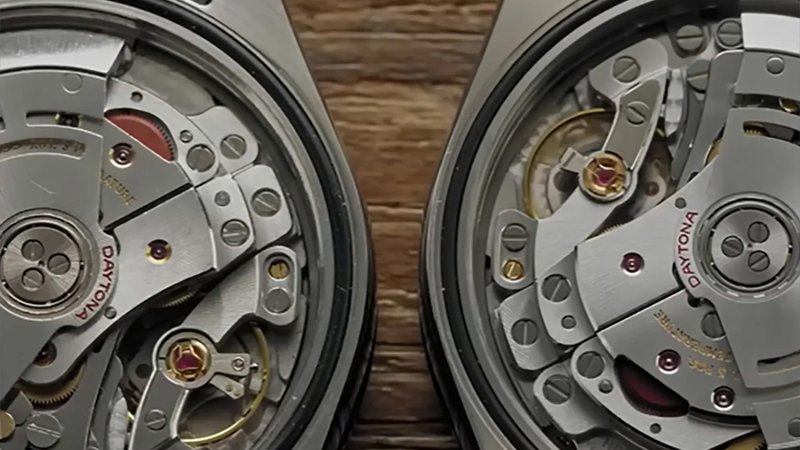
- Transparent case backs (in mechanical models) should showcase a finely finished movement, not a plain metal disc.
6. Check the Crystal and Glass Quality
High-end watches use sapphire crystal that’s scratch-resistant and clear under light.
Fakes usually use mineral or acrylic glass that easily reflects light or scratches.
Test it:
- Drop a small water droplet — if it beads up neatly, it’s sapphire.
- Tap gently — sapphire sounds sharper; cheap glass sounds hollow.
Bonus Tip: Look for anti-reflective coating — genuine watches show minimal glare.
7. Evaluate the Packaging and Documentation
An authentic watch comes with premium packaging, booklets, warranty cards, and serial-matched certificates.
Counterfeits may have:
- Generic boxes or mismatched serials
- Low-quality printing
- Inconsistent brand holograms
Cross-check your paperwork — even small discrepancies indicate inauthenticity.
As Fashion Audit notes, many buyers overlook this step, even though packaging can be a dead giveaway.
8. Verify Through Authorized Dealers or Brand Service Centers
The most foolproof way to confirm authenticity is professional verification.
Visit a brand-certified boutique or authorized dealer — they can open the case back and verify movement authenticity instantly.
In 2025, several brands like Omega, Tissot, and Seiko also offer digital authentication services via blockchain-verified QR codes on packaging.
9. Price Comparison: If It’s Too Good to Be True, It Probably Is
A massive price drop — especially from unverified online sellers — is a red flag.
Authentic watches rarely sell at more than 30% below retail, unless pre-owned or discontinued.
Check multiple sources, and always ask for proof of purchase or warranty card.
Remember: Fake sellers often use “grey market” tactics — mixing real and replica parts to fool buyers.
10. Use Online Watch Authentication Tools
Modern technology can help you check authenticity in minutes.
Apps and platforms like WatchCertify, Chrono24 Authenticity Guarantee, and WatchCSA allow professional verification through high-resolution photos.
In addition, online communities such as r/Watches and WatchUSeek are great for getting collector opinions before buying.
Bonus: Common Red Flags to Watch Out For
- Spelling errors on dial or documents
- Poorly aligned hands or date window
- Missing brand engraving on crown or clasp
- Wrong case dimensions
- Oversized or undersized logo
- Suspicious seller credentials
Fashion Audit Reminder: Always research before you buy. Trusting the source is just as important as inspecting the product.
FAQs on How to Check Watch Authenticity
1. Can I verify a watch’s serial number online?
Yes, many brands have online verification systems or databases. For others, you can contact customer service directly.
2. How do I know if a Rolex is real?
Check for the laser-etched crown at 6 o’clock on the crystal, smooth second-hand movement, and deep serial engravings.
3. Do replicas ever use real movements?
Some high-end fakes use genuine parts, but the finishing, precision, and serial verification will still expose them.
4. Is it safe to buy watches online?
Yes, but only from authorized retailers or verified marketplaces offering authenticity guarantees.
5. Can Fashion Audit verify watches?
While Fashion Audit doesn’t directly authenticate watches, it provides education, expert reviews, and buyer safety guides to help you avoid fakes.
Conclusion: Authenticity Is an Investment
Buying a genuine watch isn’t just about status — it’s about owning a piece of craftsmanship and history.
While replicas may look similar, they’ll never match the precision, longevity, and pride of authentic timepieces.
As Fashion Audit emphasizes, authenticity offers peace of mind — knowing every tick you hear is real, refined, and timeless.
So before your next purchase, take a closer look — because in watches, the truth is always in the details.
Disclaimer:
All trademarks, logos, product names, and brand identifiers mentioned on FashionAudit.com are the property of their respective owners. They are used solely for the purpose of product review, comparison, and consumer information. FashionAudit.com does not claim any ownership of these marks.
No copyright or trademark infringement is intended. If any brand or rights holder believes their intellectual property has been misused, they can contact us directly and we will address the issue promptly.