
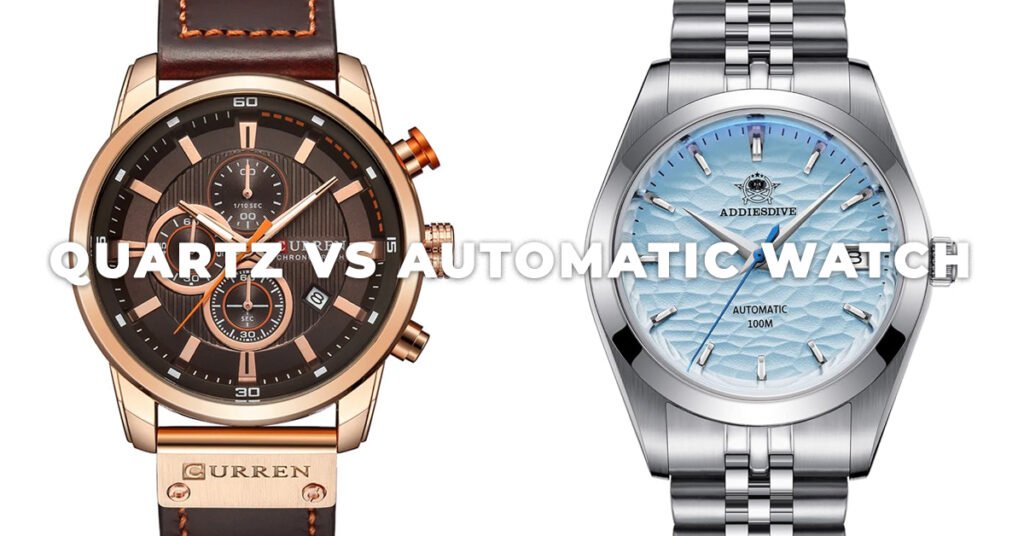
Introduction: The Eternal Question in Watchmaking
In the world of watches, few debates are as classic as Quartz vs Automatic.
Both timepiece types have loyal fans — some admire the precision of quartz, while others revere the craftsmanship of automatics.
But which one truly suits you?
In 2025, the choice isn’t only about technology; it’s also about lifestyle, purpose, and personality.
As Fashion Audit explains, understanding the differences helps buyers make a smarter, long-term investment rather than an impulsive purchase.
1. Understanding the Basics: What’s Inside Each Watch Type
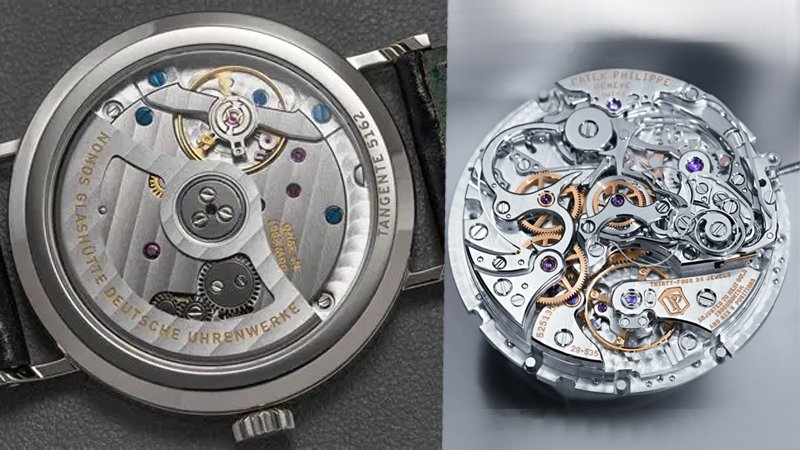
Quartz Watches
Quartz watches are powered by a battery that sends an electric charge through a quartz crystal, causing it to vibrate at a consistent frequency.
This vibration regulates the movement, making quartz one of the most accurate and low-maintenance timekeeping mechanisms ever invented.
Common examples include Citizen Eco-Drive, Seiko Quartz, and Casio Edifice.
Automatic Watches
Automatic (or self-winding) watches rely on mechanical movements powered by a rotor that winds the mainspring as you move your wrist.
They’re loved for their craftsmanship, longevity, and mechanical beauty.
Notable models include Tissot Le Locle, Seiko Presage, and Omega Seamaster Automatic.
Fashion Audit Insight: While quartz focuses on convenience, automatic watches emphasize connection — a relationship between human motion and timekeeping art.
2. Accuracy: Which Keeps Better Time?
When it comes to precision, quartz watches are unmatched.
They typically deviate by only ±15 seconds per month, while most automatic watches can vary ±10–20 seconds per day.
However, accuracy isn’t everything. Many collectors value the organic imperfection of automatics as part of their charm.
Example:
- Quartz: Perfect for punctual professionals and travelers.
- Automatic: Ideal for enthusiasts who appreciate the craftsmanship behind every tick.
3. Maintenance: Ease vs. Commitment
Quartz Watches
Quartz watches are almost maintenance-free.
You’ll only need to replace the battery every 2–3 years or, in some cases, use solar charging (like Citizen’s Eco-Drive).
Automatic Watches
Automatic watches need regular servicing every 3–5 years to ensure movement precision.
They may also need winding if left unworn for several days.
Tip: If you own multiple automatics, consider a watch winder to keep them running smoothly when stored.
Verdict: Quartz wins for convenience, while automatics require commitment — but offer a more intimate ownership experience.
4. Design & Aesthetics: The Heart of Horology
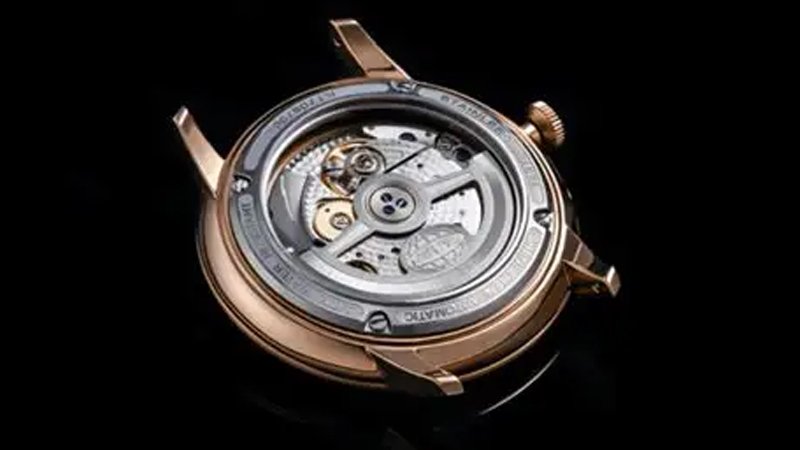
Automatic watches often showcase intricate craftsmanship — visible through transparent case backs and mechanical details.
Collectors love watching the rotor spin and gears move, adding emotional value to ownership.
Quartz watches, on the other hand, are sleeker and thinner, allowing for more minimalist designs that suit daily wear and formal events alike.
As Fashion Audit notes, the trend in 2025 blends both worlds — many wearers choose quartz for work and automatics for weekends or special occasions.
5. Longevity and Durability
A well-maintained automatic watch can last a lifetime and even be passed down generations.
However, it’s also more delicate due to mechanical complexity.
Quartz watches, while durable and shock-resistant, may eventually suffer from battery leakage if not maintained properly.
Sustainability Note: Automatic watches are environmentally friendly since they require no disposable batteries, aligning with 2025’s eco-conscious values.
6. Cost & Value: Which Is the Better Investment?
Quartz watches are typically more affordable, ranging from ₹2,000 to ₹40,000 depending on the brand and design.
Automatics, however, start around ₹20,000 and can reach luxury levels above ₹10 lakh, reflecting hand-assembled craftsmanship and prestige.
If you seek everyday reliability, quartz is your best friend.
But if you’re building a collection or heirloom, an automatic watch holds emotional and long-term value.
7. Lifestyle Fit: Which Suits You Better?
| Preference | Quartz Watch | Automatic Watch |
|---|---|---|
| Accuracy | Extremely precise | Slight variations |
| Maintenance | Low | Moderate to High |
| Cost | Affordable | Premium to Luxury |
| Longevity | 5–10 years (battery dependent) | Lifetime with servicing |
| Weight | Lightweight | Heavier |
| Emotion & Craft | Minimal | Deeply engaging |
| Best For | Busy professionals, minimalists | Watch lovers, collectors, stylists |
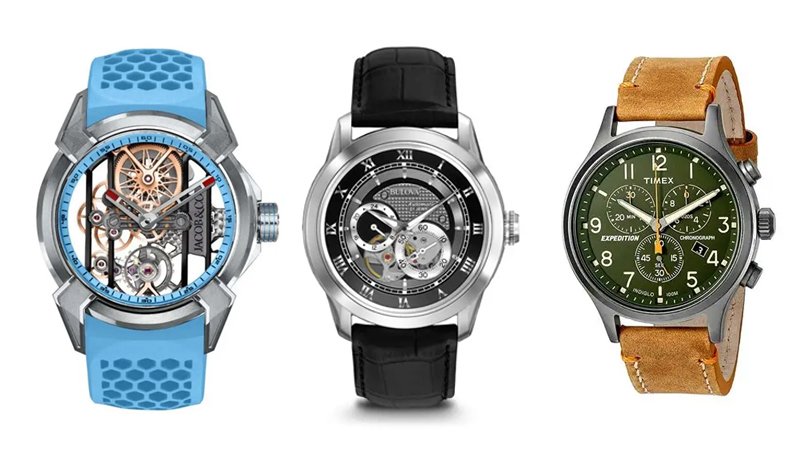
Fashion Audit Tip: Choose based on lifestyle, not hype.
Quartz is perfect for daily practicality, while automatics suit those who view watches as art.
8. Environmental Impact
Sustainability has entered the watch industry too.
Quartz watches contribute to battery waste, though brands like Citizen and Seiko have addressed this with solar-powered technology.
Automatics, meanwhile, are mechanical masterpieces with zero battery disposal, making them the greener choice for eco-conscious users.
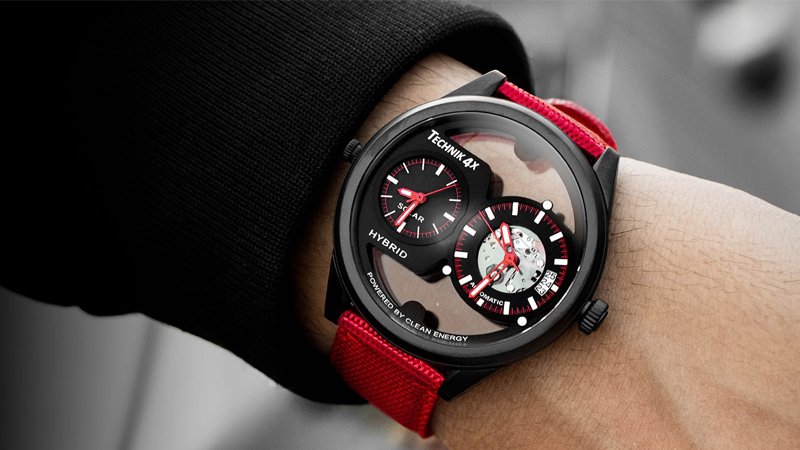
9. Hybrid & Solar Movements: The Best of Both Worlds
For those who can’t decide, hybrid and solar movements combine both technologies.
Solar-powered quartz watches, like Citizen Eco-Drive or Seiko Solar, eliminate battery waste while maintaining quartz-level accuracy.
Hybrid smart-mechanical models are also emerging — integrating Bluetooth connectivity and mechanical dials for modern lifestyles.
This fusion shows that watch innovation in 2025 is about balance, not competition.
FAQs: Quartz vs Automatic
1. Which lasts longer — quartz or automatic?
Automatic watches can last decades with care, while quartz depends on battery life and maintenance.
2. Is an automatic watch better for formal wear?
Yes, its craftsmanship and aesthetic appeal make it perfect for formal and special occasions.
3. Can a quartz watch be luxurious?
Absolutely. Brands like Grand Seiko and TAG Heuer make high-end quartz models with exceptional precision.
4. Do automatic watches stop if not worn?
Yes, they stop after 1–2 days of inactivity but can be rewound manually or restarted by movement.
5. What’s the best choice for beginners?
Quartz watches are more practical for newcomers, offering precision without maintenance concerns.
Conclusion: The Right Choice Depends on You
In the end, the Quartz vs Automatic debate isn’t about superiority — it’s about personality.
Quartz watches offer accuracy, affordability, and simplicity, while automatics deliver artistry, longevity, and emotional connection.
As Fashion Audit often highlights, the best watch is the one that fits your life, habits, and heart.
So, whether you’re drawn to the tick of technology or the rhythm of mechanics, remember — timekeeping is personal, but style is eternal.
Disclaimer:
All trademarks, logos, product names, and brand identifiers mentioned on FashionAudit.com are the property of their respective owners. They are used solely for the purpose of product review, comparison, and consumer information. FashionAudit.com does not claim any ownership of these marks.
No copyright or trademark infringement is intended. If any brand or rights holder believes their intellectual property has been misused, they can contact us directly and we will address the issue promptly.