
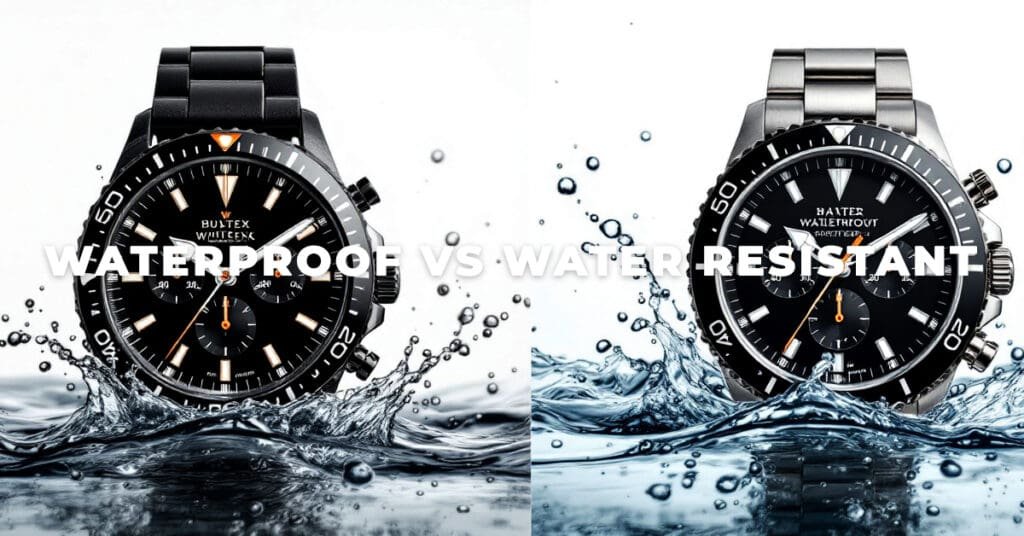
Introduction: Not All “Waterproof” Watches Are the Same
If you’ve ever wondered whether your watch can survive a swim or shower, you’re not alone. The debate between Waterproof vs Water-Resistant is one that often leads to confusion. Many watch enthusiasts confuse “waterproof” with “water-resistant”, but these two terms mean very different things — and knowing the difference can save your watch from serious damage.
In reality, no watch is 100% waterproof. Instead, watches come with varying levels of water resistance, designed to handle specific conditions — from hand washing to deep-sea diving.
This Fashion Audit guide breaks down what these terms really mean, how to read water-resistance ratings, and how to care for your watch to keep it performing at its best.
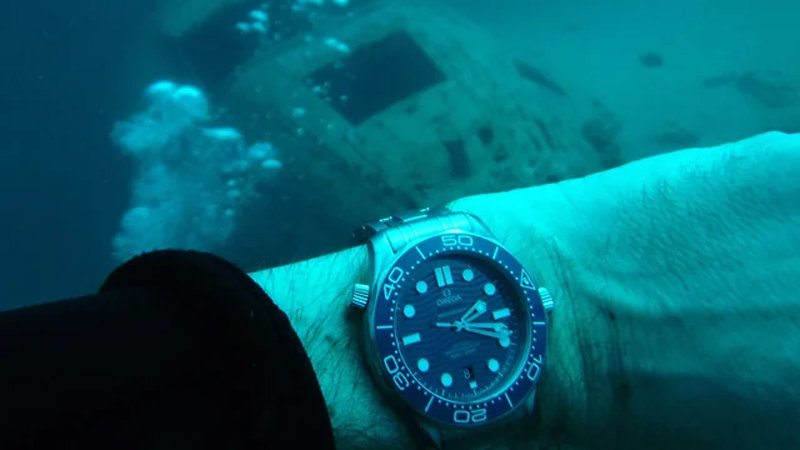
1. Understanding the Terms: Waterproof vs Water-Resistant
Water-Resistant:
A water-resistant watch can handle some exposure to water, like splashes or rain, but it’s not designed to be submerged for long periods.
Waterproof:
The term “waterproof” suggests complete protection against water, but in horology (watchmaking), this is a myth — no watch is truly waterproof. Even the most advanced diver’s watches have limits based on pressure and depth.
Fashion Audit Insight:
Watchmakers stopped using “waterproof” officially decades ago — instead, they specify water resistance ratings tested under controlled conditions.
2. How Water Resistance Is Measured
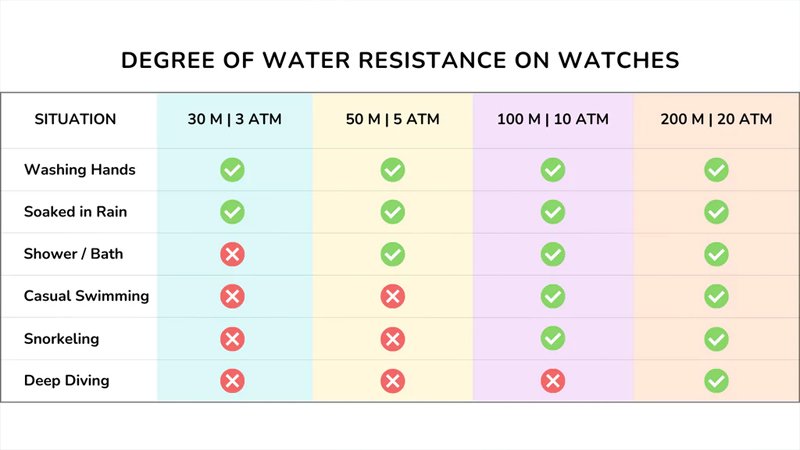
Water resistance is measured in meters (m), atmospheres (ATM), or bars.
Each unit represents how much static pressure a watch can withstand underwater.
| Rating | Equivalent Pressure | Safe For |
|---|---|---|
| 30m / 3 ATM | Rain, hand washing | Light splashes only |
| 50m / 5 ATM | Showering, short swims | Shallow water exposure |
| 100m / 10 ATM | Swimming, snorkeling | Moderate depth |
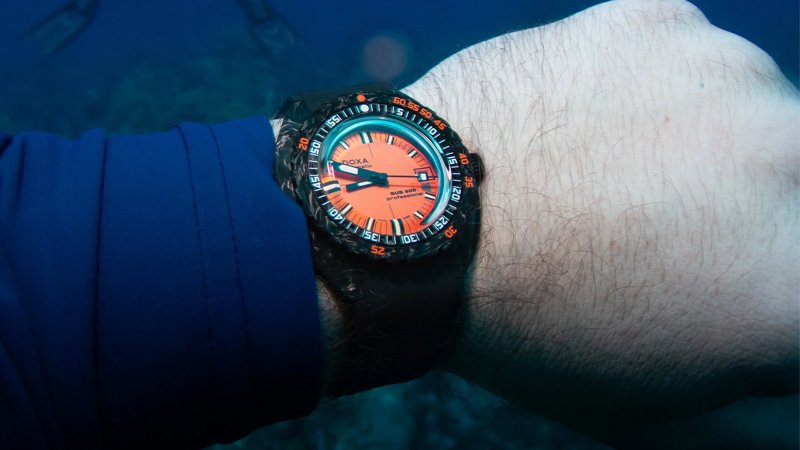
| 200m / 20 ATM | Diving, water sports | Deep immersion |
| 300m+ / 30 ATM | Professional diving | Extreme water pressure |
Note: These ratings are tested in laboratory conditions — real-world pressure, temperature, and movement can reduce effectiveness.
Fashion Audit Tip:
The “m” (meter) in your watch doesn’t literally mean diving depth — it’s a measure of pressure, not distance underwater.
3. Why “Waterproof” Is a Marketing Myth
The International Organization for Standardization (ISO) prohibits the term “waterproof” in watch descriptions because no seal lasts forever.
Even diver’s watches rated 300m+ can lose resistance over time due to:
- Worn-out gaskets
- Temperature changes
- Shock or pressure damage
- Improper crown closure
Fashion Audit Note:
“Waterproof” is often marketing language — “water-resistant” is the accurate technical term.
4. Watch Components That Affect Water Resistance
Water resistance depends on several small but crucial features:
| Component | Function |
|---|---|
| Gaskets (O-rings) | Seal the case back, crown, and crystal to block water entry |
| Screw-down Crown | Prevents leaks when submerged |
| Case Back | Keeps internal components protected |
| Crystal (Glass) | Must fit tightly to prevent seepage |
| Pushers (Chronographs) | Often sealed or disabled underwater |
Fashion Audit Tip:
Always ensure your crown is fully pushed in or screwed down before exposing your watch to water.
5. Everyday Situations: What Your Watch Can Handle
| Activity | Minimum Rating Required | Recommended Watch Type |
|---|---|---|
| Hand Washing / Rain | 30m / 3 ATM | Standard dress watch |
| Shower / Light Swim | 50m / 5 ATM | Casual daily wear |
| Pool / Snorkeling | 100m / 10 ATM | Sports watch |
| Scuba Diving | 200m / 20 ATM | Diver’s watch |
| Deep Diving | 300m+ | Professional diver (ISO 6425 certified) |
Fashion Audit Example:
A Titan Octane (100m) can handle swimming, but a Fossil Townsman (30m) should never go near the pool.
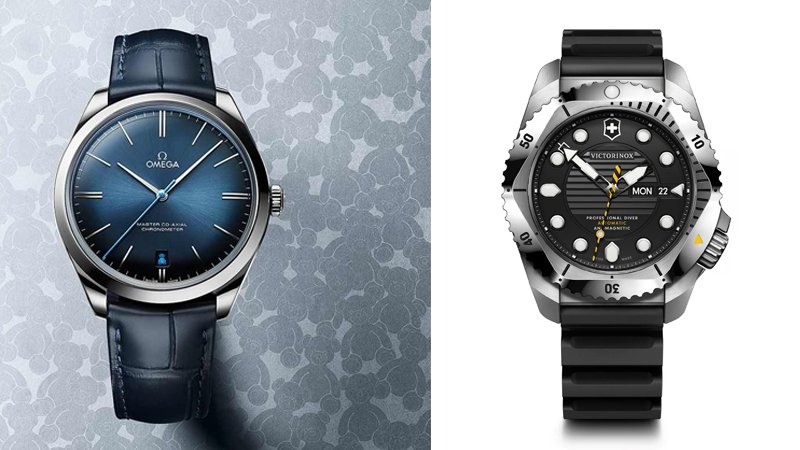
6. How to Maintain Your Watch’s Water Resistance
Even the best-rated watches can lose resistance if not maintained properly.
Maintenance Tips:
- Have seals checked annually — replace gaskets when worn.
- Avoid pressing buttons underwater.
- Rinse your watch with clean water after swimming in salt or chlorinated water.
- Keep the crown screwed down tightly.
- Avoid hot showers or saunas — heat can damage seals.
Fashion Audit Reminder:
Water resistance is not permanent — it decreases with age and wear.
7. Water Resistance in Smartwatches (2025 Update)
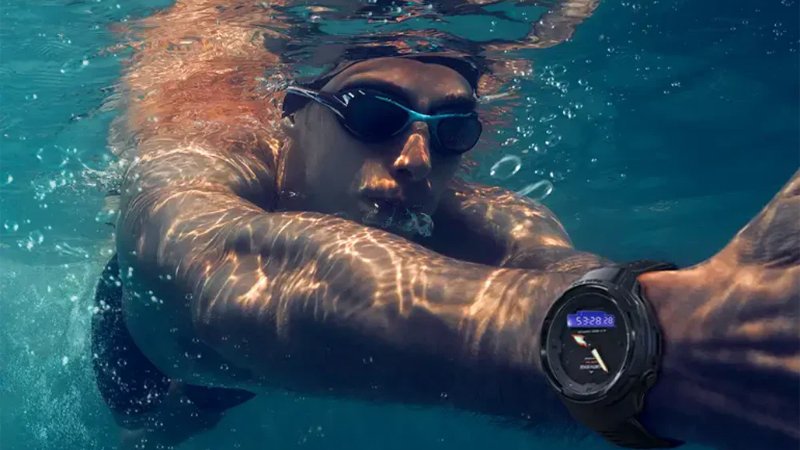
Smartwatches come with IP ratings (Ingress Protection), which measure resistance to dust and water.
| Rating | Meaning | Example Usage |
|---|---|---|
| IP67 | Protected from splashes & brief immersion | Daily wear |
| IP68 | Can handle submersion up to 1.5m | Light swimming |
| 5ATM | Withstands pressure equivalent to 50m | Gym or outdoor use |
| 10ATM | Safe for swimming/snorkeling | Sports and adventure watches |
Fashion Audit Tip:
IP ratings differ from ATM — always check your smartwatch manual before swimming.
8. What to Do If Your Watch Gets Water Inside
If you notice fog under the crystal or moisture inside, act quickly:
- Remove the watch immediately.
- Do not heat or blow-dry it.
- Place it in a dry, cool area or inside a silica gel container.
- Take it to an authorized service center within 24 hours.
Fashion Audit Warning:
Water damage isn’t always visible — even small condensation can rust internal parts.
9. Common Myths About Water Resistance
| Myth | Reality |
|---|---|
| “Waterproof watches exist.” | No, only water-resistant watches exist. |
| “100m means I can dive 100m deep.” | It’s pressure-tested, not a real dive depth. |
| “All watches resist water equally.” | Resistance varies by design and rating. |
| “Once water-resistant, always water-resistant.” | Seals weaken with time and use. |
Fashion Audit Insight:
Treat water resistance as protection, not permission.
10. How Often Should You Test Water Resistance?
For long-term safety:
- Every 12–18 months for regular watches
- Every 6–12 months for diver’s watches
- Before any water-heavy trip or dive activity
Authorized service centers can test your watch’s resistance using pressure chambers.
Fashion Audit Tip:
Always re-test after battery replacement — opening the back weakens seals.
Conclusion: Respect the Rating, Protect Your Watch
Understanding the difference between waterproof and water-resistant isn’t just technical — it’s practical wisdom for every watch lover.
Whether it’s a daily Titan Neo, a Casio G-Shock, or a Seiko Prospex diver, knowing your watch’s limits ensures it stays precise, beautiful, and damage-free.
Fashion Audit Final Verdict:
“A watch can resist water — but it can’t resist carelessness. Know your limits, and your watch will last a lifetime.”
Disclaimer:
All trademarks, logos, product names, and brand identifiers mentioned on FashionAudit.com are the property of their respective owners. They are used solely for the purpose of product review, comparison, and consumer information. FashionAudit.com does not claim any ownership of these marks.
No copyright or trademark infringement is intended. If any brand or rights holder believes their intellectual property has been misused, they can contact us directly and we will address the issue promptly.