
Introduction: A Timepiece That Deserves Care
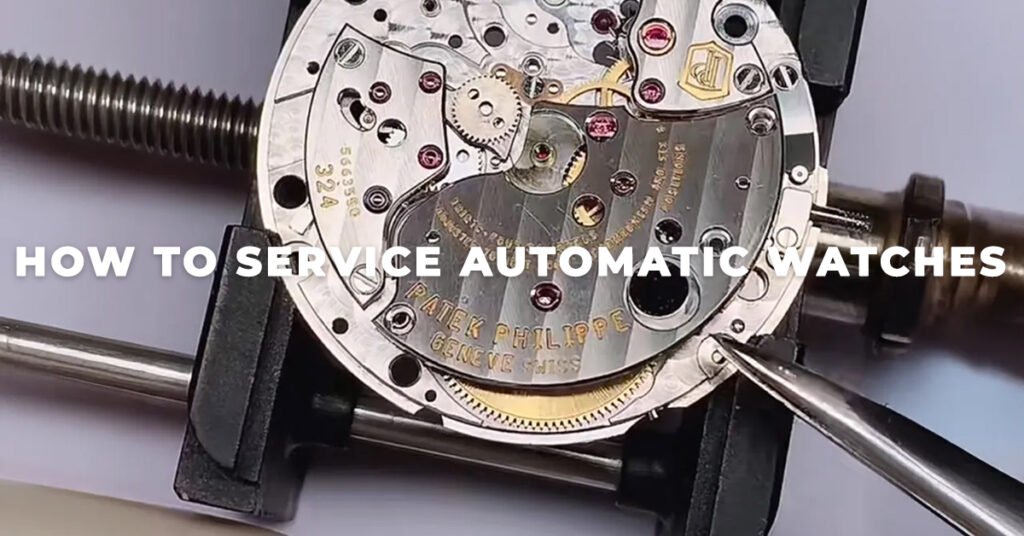
An automatic watch isn’t just a way to tell time — it’s a masterpiece of engineering, powered by your movement. When considering how to service automatic watches, it’s important to remember their complexity. Unlike quartz watches that run on batteries, automatics rely on mechanical precision — hundreds of tiny gears, jewels, and springs working in harmony.
But even the finest models from Seiko, Citizen, or Tissot need regular servicing to maintain accuracy and prevent wear.
In this Fashion Audit guide, you’ll learn how to service automatic watches, when to do it, what’s included in a full service, and how to keep your watch performing flawlessly for years.
1. Why Automatic Watches Need Servicing
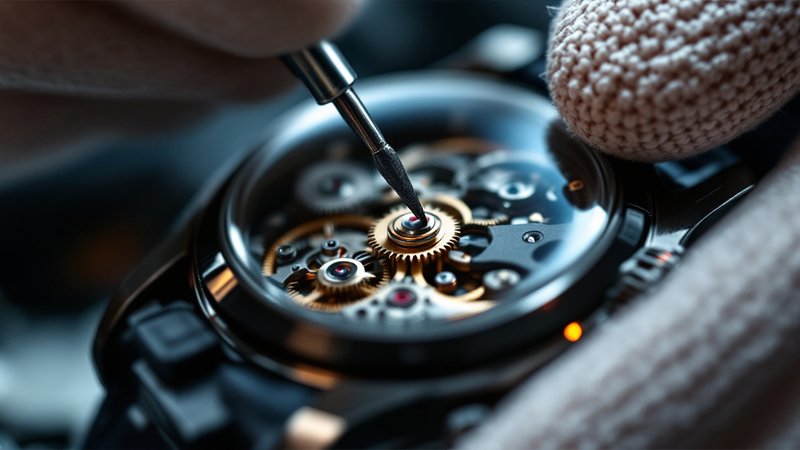
Automatic watches use mechanical movements, which are constantly in motion — powered by a rotor that winds as you move your wrist.
Over time, lubricants dry out, dust builds up, and metal parts wear, reducing accuracy and reliability.
Key Reasons for Regular Servicing:
- Maintains timekeeping accuracy
- Prevents internal wear and corrosion
- Extends the watch’s lifespan
- Keeps power reserve functioning properly
Fashion Audit Insight:
Think of servicing as an oil change for your watch — small maintenance now prevents big repairs later.
2. How Often Should You Service an Automatic Watch?
Most manufacturers recommend servicing every 3 to 5 years, depending on usage and environment.
| Watch Brand | Recommended Service Interval |
|---|---|
| Seiko | Every 3–4 years |
| Citizen | Every 3 years |
| Tissot | Every 4–5 years |
| Orient | Every 3–4 years |
| Omega | Every 5 years |
| Rolex | Every 5–10 years (depends on model) |
Fashion Audit Tip:
If your watch is worn daily in hot, humid, or dusty conditions, service it sooner (around 3 years).
3. Signs Your Automatic Watch Needs Servicing
You don’t always have to wait for a scheduled service — your watch may tell you it’s time.
Common Warning Signs:
- Inaccurate timekeeping (gains or loses minutes daily)
- Reduced power reserve (stops sooner than usual)
- No movement even after winding
- Moisture or fog under the crystal
- Unusual ticking sounds or stiffness in the crown
Fashion Audit Note:
Any visible condensation or erratic movement is a red flag — take your watch for service immediately.
4. What Happens During a Professional Service
Servicing an automatic watch is a meticulous process handled by expert watchmakers.
Here’s what happens inside your timepiece during a full service:
Step 1: Inspection and Diagnosis
The watchmaker examines the case, movement, gaskets, and time accuracy to assess wear and damage.
Step 2: Complete Disassembly
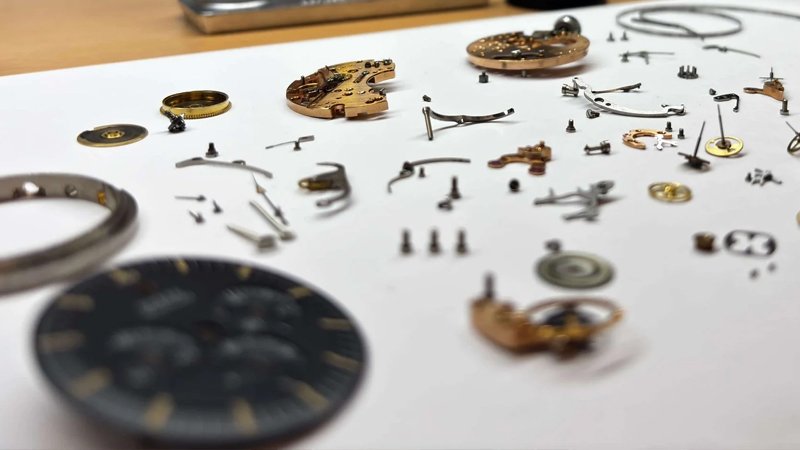
The watch is carefully disassembled — removing the movement, hands, dial, and over 100 micro-components.
Step 3: Ultrasonic Cleaning
Each part is cleaned in an ultrasonic bath to remove old oil, dirt, and corrosion.
Step 4: Lubrication
High-quality oils are applied to specific friction points to reduce wear and maintain smooth motion.
Step 5: Reassembly and Regulation
The watch is reassembled and adjusted for precision using specialized timing machines.
Step 6: Case and Gasket Replacement
The case is cleaned, polished, and water resistance is restored with new gaskets.
Step 7: Final Testing
The watch undergoes 24–48 hours of accuracy and water resistance testing before being sealed.
Fashion Audit Verdict:
A properly serviced automatic watch feels smoother to wind, keeps perfect time, and looks brand new.
5. DIY Cleaning vs Professional Servicing
You can perform light external cleaning at home, but internal servicing should only be done by professionals.
| DIY Maintenance | Professional Servicing |
|---|---|
| Wiping case and bracelet | Disassembling and lubricating movement |
| Using microfiber cloth | Cleaning parts in ultrasonic machines |
| Light polishing | Regulation & water resistance testing |
| Using watch winder | Gasket and seal replacement |
Fashion Audit Tip:
You can’t fix time drift or power loss at home — leave mechanical calibration to certified technicians.
6. How to Care for Your Automatic Watch Between Services
Taking small steps daily helps reduce the need for frequent servicing.
Daily Care Routine:
- Wind manually if unused for 2–3 days.
- Store in a watch winder to maintain power reserve.
- Avoid magnetic fields (phones, speakers, laptops).
- Keep away from extreme heat or moisture.
- Wipe regularly with a microfiber cloth to remove sweat.
Fashion Audit Note:
Automatic watches prefer movement — wear them regularly to keep the mechanism lubricated.
7. Watch Winders: Helpful or Harmful?
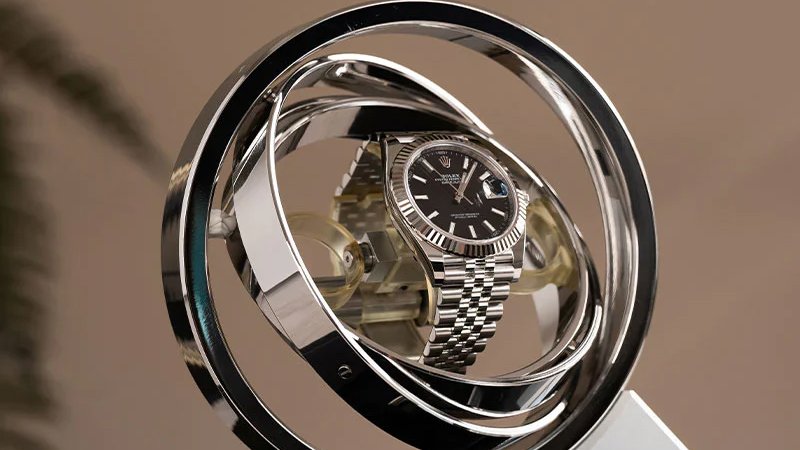
A watch winder keeps automatic watches running when not worn by gently rotating them to mimic wrist motion.
Pros:
- Keeps lubricants evenly distributed
- Prevents power reserve depletion
- Convenient for collectors with multiple watches
Cons:
- Continuous winding may cause unnecessary wear if overused
- Cheap winders may produce magnetic fields
Fashion Audit Tip:
Use a programmable winder that pauses rotation to prevent overwinding.
8. Cost of Servicing Automatic Watches in 2025
Service prices vary depending on the brand, complexity, and movement type.
| Watch Type | Service Cost (₹) | Service Frequency |
|---|---|---|
| Entry-level (Seiko, Citizen) | 3,000 – 6,000 | Every 3–4 years |
| Mid-range (Tissot, Orient) | 6,000 – 10,000 | Every 4–5 years |
| Luxury (Omega, Longines) | 10,000 – 25,000 | Every 5 years |
| Premium Swiss (Rolex, TAG Heuer) | 25,000 – 50,000 | Every 5–10 years |
Fashion Audit Verdict:
Servicing costs less than replacement — consider it an investment in precision and heritage.
9. Where to Get Your Watch Serviced
Always go to authorized service centers or certified watchmakers.
Unqualified repairs may void your warranty or damage components.
Authorized Centers in India:
Fashion Audit Tip:
Always ask for a service report and warranty after professional maintenance.
10. Storage Tips After Servicing
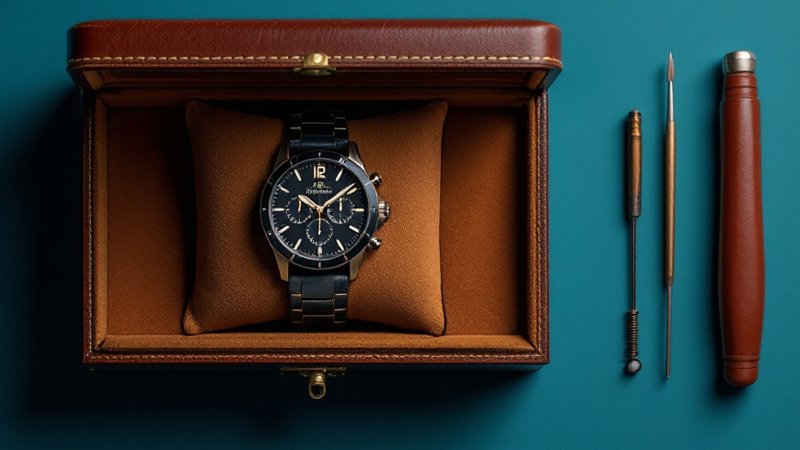
- Store your watch in a cool, dry box.
- Avoid placing it face down (pressure on crystal).
- If not worn for weeks, wind it manually every 15 days.
- Use silica gel to prevent moisture.
Fashion Audit Reminder:
A well-serviced watch deserves proper rest — store it like a work of art.
11. Common Servicing Mistakes to Avoid
- Attempting internal cleaning without training.
- Ignoring time drift or condensation.
- Skipping lubrication schedules.
- Servicing too often (can cause wear).
- Visiting non-certified technicians.
Fashion Audit Warning:
One bad service can undo years of precision — always choose quality over convenience.
12. How to Know a Good Service Has Been Done
After a proper service, your watch should:
- Run within ±10 seconds per day (depending on movement)
- Feel smooth when winding
- Have restored shine and clean case
- Show full power reserve
- Pass water resistance tests
Fashion Audit Tip:
Request a before-and-after timing report from your service center.
Conclusion: Keep Your Timepiece Timeless
An automatic watch is a lifelong companion — a mechanical work of art that deserves expert care.
Regular servicing not only protects your investment but keeps every tick as precise as the day you bought it.
Whether you own a Seiko 5, a Tissot Le Locle, or a Rolex Oyster, maintaining it through proper servicing ensures that your timepiece remains both functional and sentimental for generations.
Fashion Audit Final Verdict:
“A well-serviced automatic watch doesn’t just keep time — it keeps legacy.”
Disclaimer:
All trademarks, logos, product names, and brand identifiers mentioned on FashionAudit.com are the property of their respective owners. They are used solely for the purpose of product review, comparison, and consumer information. FashionAudit.com does not claim any ownership of these marks.
No copyright or trademark infringement is intended. If any brand or rights holder believes their intellectual property has been misused, they can contact us directly and we will address the issue promptly.