

Introduction: A New Green Movement Is Shaping Timepieces
The watch industry is experiencing a major shift toward environmentally responsible practices. As conscious consumers demand sustainable products, brands are rethinking how watches are designed, manufactured, packaged, and maintained. Understanding Sustainability in Watchmaking: How the Industry Is Redefining Time in 2025 gives insight into how modern innovations and mindful materials are transforming the future of horology.
According to Fashion Audit,
“True sustainability in watchmaking is not about trends—it’s about long-term responsibility that preserves craftsmanship and the planet.”

Recycled Materials Are Becoming a Watchmaking Standard
Why Recycled Metals Matter
Brands are increasingly using recycled stainless steel, titanium, and aluminum. These materials reduce mining waste and minimize environmental impact while maintaining durability.
Common Recycled Components
- Cases made from recycled steel
- Bracelets created from reprocessed metal
- Crowns and bezels repurposed from scrap material
This shift reduces carbon emissions and supports circular production cycles.
Ocean Plastic & Bio-Based Straps Are Transforming Designs
Eco Straps Gain Popularity
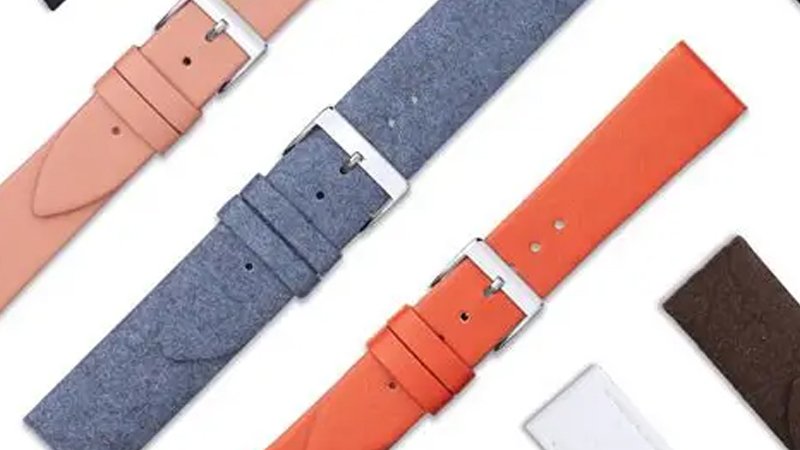
Many brands now craft straps from ocean plastics, plant fibers, or bio-based materials. Since these materials are lightweight and durable, they suit everyday wear.
Popular Sustainable Strap Materials
- Reclaimed ocean plastic
- Corn-based bio-polymer straps
- Vegan leather from cork
- Recycled PET fabric
Solar-Powered Movements Lead the Charge
Why Solar Energy Matters in 2025
Solar-powered quartz movements reduce the need for battery replacements. Because traditional batteries contribute to e-waste, solar technology offers a cleaner long-term solution.
Benefits of Solar Watches
- Endless energy source
- Lower maintenance
- Reduced waste
- Reliable across seasons
Solar-powered designs are now mainstream, not niche.
Ethical Manufacturing Is Becoming Industry-Wide
Shifting Toward Responsibility
Brands are prioritizing ethical labor, transparent sourcing, and safe working environments. Since consumers prefer responsible brands, ethical watchmaking is becoming a global trend.
Common Ethical Practices
- Fair labor policies
- Transparent supply chains
- Conflict-free materials
- Factory sustainability audits
Ethics and craftsmanship now go hand in hand.
Low-Impact Packaging Reduces Waste
Sustainable Packaging Designs
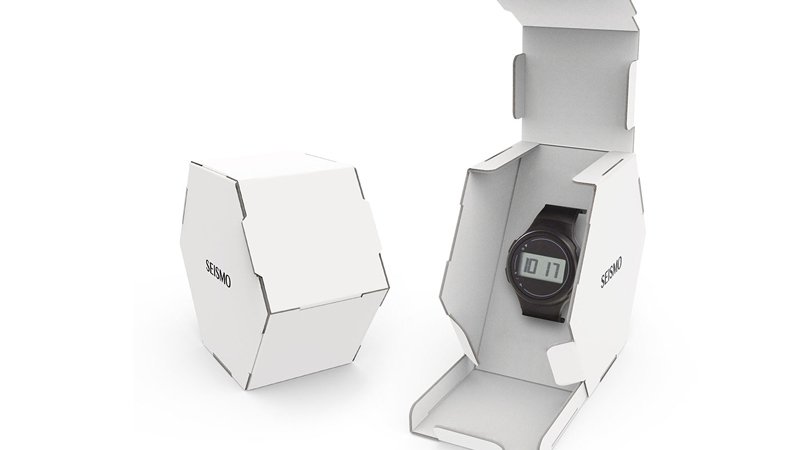
Packaging is becoming lighter, recyclable, and reusable. This reduces waste while still feeling premium.
Examples
- Recycled cardboard boxes
- Minimal ink prints
- Multi-use pouches instead of bulky boxes
Brands Are Extending Product Life With Repair Programs
Why Repairs Matter
Repair programs reduce electronic and mechanical waste. Instead of replacing old watches, brands encourage restoration and servicing.
Common Repair Initiatives
- Lifetime servicing
- Spare parts recycling
- Local repair centers
- Refurbished watch programs
This extends the lifespan of watches by years, sometimes decades.
Digital Manufacturing (3D Printing) Reduces Waste
How 3D Printing Helps
3D printing creates components with minimal waste. It allows precise production while cutting material loss associated with traditional methods.
Key Advantages
- Faster prototypes
- No excess cutting
- Complex but lightweight designs

Smaller, Efficient Movements Use Less Energy
Compact Movements Are Trending
Smaller mechanical and quartz movements require less energy and material. They also fit modern minimalist designs.
Benefits
- Less metal used
- Longer energy efficiency
- Lightweight wearing experience
Slimmer, eco-driven engineering is becoming the new norm.
Vintage & Pre-Owned Markets Are Gaining More Value
Why Pre-Owned Is Sustainable
Buying vintage or pre-owned watches reduces demand for new materials. Many collectors now view pre-owned pieces as eco-conscious and valuable.
Why This Trend Is Growing
- Reduced environmental impact
- Access to rare designs
- Lower cost compared to brand-new pieces
As Fashion Audit notes,
“Pre-owned watches combine sustainability with real craftsmanship, making them ideal for conscious collectors.”
Green Certifications Are Shifting Customer Trust
Certifications Rising in Watchmaking
Some companies now provide environmental certifications to prove their materials, packaging, and sourcing meet modern standards.
Common Certifications
- Recycled steel certifications
- Ethical sourcing seals
- Carbon-neutral production labels
This transparency helps consumers make informed choices.
Eco-Friendly Watch Trends in 2025
What’s Trending
- Simplified designs
- Vegan leather straps
- Solar-powered quartz
- Recycled metal bracelets
- Matte, nature-inspired color palettes
These styles reflect minimalism and sustainability combined.
FAQs: Sustainability in Watchmaking
1. What makes a watch sustainable?
Recycled materials, eco-friendly straps, ethical production, and long-lasting designs.
2. Are solar-powered watches reliable?
Yes — they reduce battery waste and work efficiently in various climates.
3. Is vegan leather durable for watches?
Modern vegan leather, including cork and plant-based composites, is highly durable.
4. How does recycled steel impact the industry?
It cuts mining waste and lowers carbon emissions without compromising quality.
5. Does Fashion Audit support sustainable watches?
Yes — Fashion Audit strongly supports brands that focus on ethical, minimal-waste production.
Conclusion: Sustainability Is Reshaping the Future of Watchmaking
Understanding Sustainability in Watchmaking: How the Industry Is Redefining Time in 2025 shows the shift toward eco-friendly materials, renewable energy, and ethical craftsmanship. Whether through recycled metals, ocean-plastic straps, solar movement technology, or repair programs, the industry is moving toward a greener future.
As Fashion Audit concludes,
“Sustainable watchmaking proves that innovation and responsibility can work together to create timeless value.”
Disclaimer:
All trademarks, logos, product names, and brand identifiers mentioned on FashionAudit.com are the property of their respective owners. They are used solely for the purpose of product review, comparison, and consumer information. FashionAudit.com does not claim any ownership of these marks.
No copyright or trademark infringement is intended. If any brand or rights holder believes their intellectual property has been misused, they can contact us directly and we will address the issue promptly.