
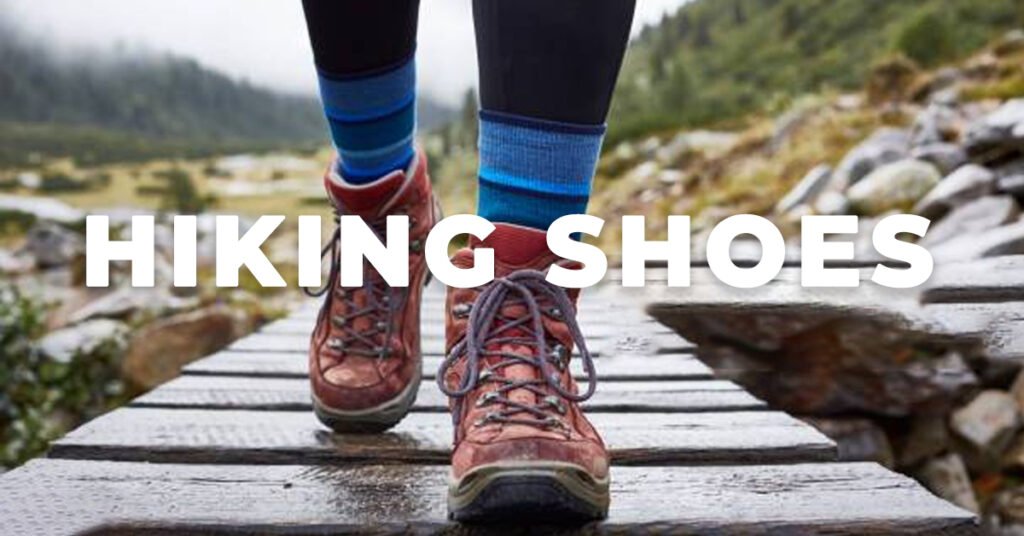
Introduction: The Foundation of Every Great Adventure
Whether you’re scaling rocky peaks or walking forest paths, the right pair of hiking shoes can turn a good trip into an unforgettable one.
Designed for both adventure and comfort, today’s hiking footwear blends performance innovation, lightweight materials, and outdoor-ready durability.
According to Fashion Audit, 2025 is redefining trail gear — brands now focus on sustainability, design minimalism, and all-weather versatility, creating shoes built for every kind of explorer.
1. What Makes a Good Pair of Hiking Shoes?
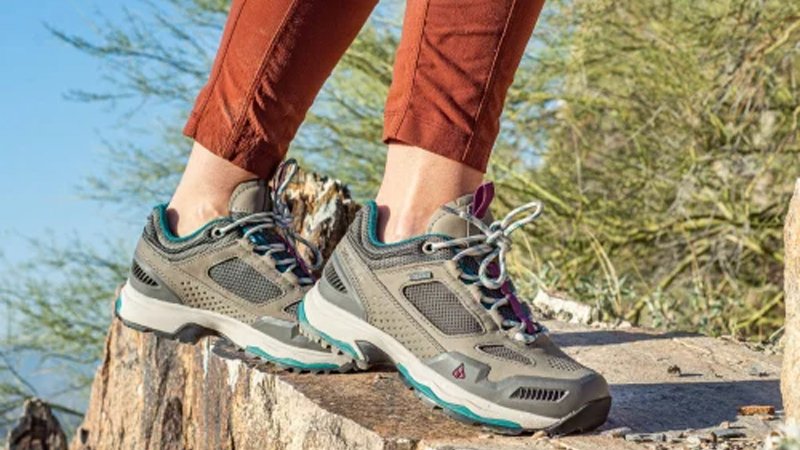
A reliable pair of hiking shoes offers grip, stability, protection, and comfort without feeling bulky.
Unlike running shoes, they’re built with strong outsoles and reinforced support, ideal for long treks and uneven surfaces.
These trail shoes ensure your steps stay confident — even on slippery slopes or rugged mountain paths.
Fashion Audit Insight: True hiking footwear protects your feet without compromising movement — strength on the outside, comfort within.
2. Hiking Shoes vs. Hiking Boots: Key Differences
Both share a love for the outdoors, but they serve different purposes.
| Feature | Hiking Shoes | Hiking Boots |
|---|---|---|
| Weight | Lightweight | Heavier |
| Ankle Support | Low or mid-cut | High-cut |
| Best For | Short to medium hikes | Long or steep trails |
| Comfort Level | Ready to wear | Requires break-in time |
| Flexibility | High | Moderate |
Fashion Audit Note: For casual hikers or day trips, low-cut trail shoes are usually the best combination of comfort and agility.
3. Features That Define Quality Hiking Footwear
- Strong Grip: Deep lugs for traction on loose soil or rocks.
- Water Resistance: Keeps your feet dry during rain or stream crossings.
- Shock Absorption: Cushioned midsoles protect against rough landings.
- Toe and Heel Protection: Guards your feet from impact and debris.
- Breathable Fabric: Prevents overheating on long treks.
Fashion Audit Tip: Try your shoes with hiking socks to get a true fit — thicker socks can affect both comfort and size.
4. Popular Types of Hiking Footwear
4.1 Trail Walking Shoes
Light and flexible, perfect for smooth or marked trails.
Best For: Beginners and short hikes.
Pro Tip: Opt for Vibram soles for superior grip and stability.
4.2 Waterproof Trail Shoes
Made with materials like GORE-TEX, these keep your feet dry in all conditions.
Best For: Rainy, snowy, or damp environments.
Fashion Audit Note: New waterproof designs now offer enhanced breathability, preventing sweat buildup.
4.3 Trekking Shoes
Sturdy and cushioned for long, demanding trails.
Best For: Multi-day treks or hilly terrain.
Pro Tip: Look for EVA midsoles for balance between comfort and structure.
5. Hiking Footwear for Men and Women
| Feature | Men’s Hiking Shoes | Women’s Hiking Shoes |
|---|---|---|
| Fit | Wider forefoot | Narrow heel design |
| Weight | Slightly heavier | More lightweight |
| Design | Earth tones, minimalistic | Neutral or pastel accents |
| Focus | Durability | Comfort and agility |
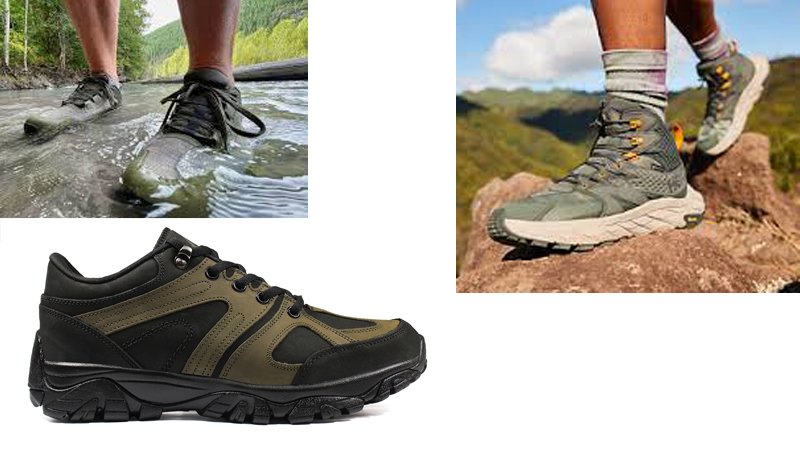
Fashion Audit Observation: The outdoor industry in 2025 embraces inclusivity — many top models are now unisex with adjustable fits.
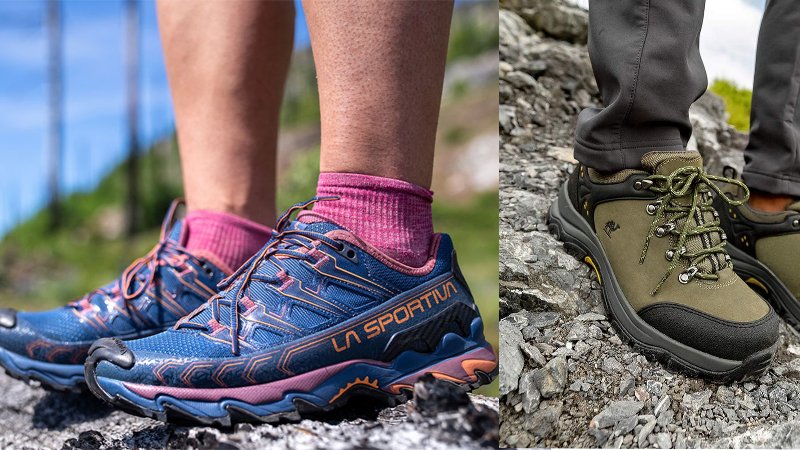
6. How to Choose the Right Trail Shoes
Step 1: Match Terrain Type
- Gentle trails: Lightweight models with moderate traction.
- Mountain terrain: Reinforced soles and toe guards.
- Wet conditions: Waterproof uppers with slip-resistant treads.
Step 2: Check Fit and Flexibility
Your toes should have space to move, and the heel must stay locked in place.
Step 3: Prioritize Cushioning and Grip
Choose EVA or PU midsoles for shock absorption and deep-lug soles for traction.
Step 4: Breathability Matters
For tropical climates, mesh designs help airflow and prevent moisture buildup.
Step 5: Try Before You Trek
Always test shoes on inclined or uneven flooring — how they respond under pressure matters.
Fashion Audit Tip: Break them in for at least 10 km before your first real hike — comfort grows with use.
7. Hiking Footwear Trends in 2025
Trail fashion is now about both eco-innovation and all-terrain versatility.
- Recycled Materials: From PET bottles to plant-based fabrics.
- Crossover Designs: Hiking shoes suitable for urban commutes.
- Earth-Tone Shades: Olive, charcoal, and sandstone hues dominate.
- Minimal Stitching: For flexibility and durability.
- Smart Tech Integration: Some models now track distance and foot motion.
Fashion Audit Forecast: Expect lightweight, hybrid outdoor shoes to dominate both trails and city streets this year.
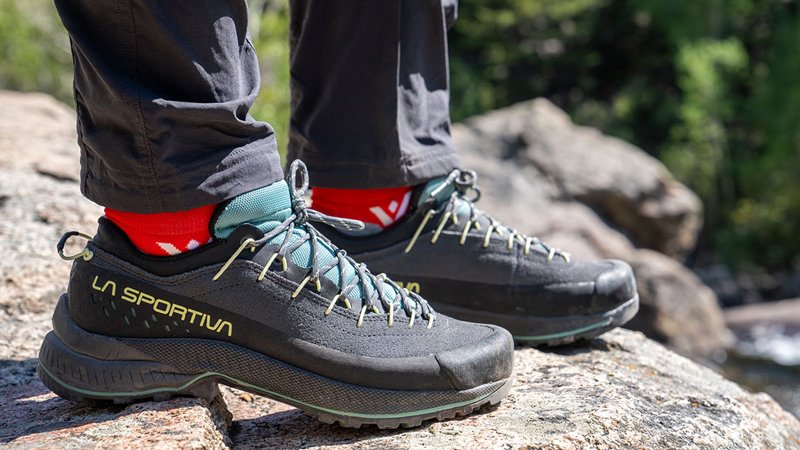
8. Top Hiking Footwear Brands of 2025
| Brand | Model | Highlight Feature |
|---|---|---|
| Salomon | X Ultra 5 | Multi-terrain stability and waterproof tech |
| Merrell | Moab 3 | Cushion comfort and rugged outsole |
| Columbia | Peakfreak II | Weather-ready design with breathable mesh |
| The North Face | Vectiv Exploris | Hybrid running-hiking build |
| Adidas Terrex | Free Hiker 2 | Sustainable and adaptive comfort |
| Decathlon (Quechua) | MH100 | Reliable budget-friendly model |
Fashion Audit Note: This year, even affordable brands prioritize quality, comfort, and sustainability — giving every hiker access to performance-grade gear.
9. Maintenance Tips for Long-Lasting Trail Shoes
- Clean regularly: Remove mud and debris with a soft brush.
- Air dry naturally: Avoid heaters or direct sunlight.
- Use waterproof spray: Reapply every few months.
- Store properly: Keep in a dry, ventilated space.
- Inspect the soles: Replace when traction fades.
Pro Tip: Loosen the laces after each use — it helps maintain structure and prevents material stress.
10. Why Quality Hiking Footwear Matters
Your shoes are your foundation outdoors. They shape your comfort, endurance, and confidence on every path.
A strong, well-fitted pair not only protects your feet but enhances every step of your journey.
Fashion Audit Insight: Modern hikers care about more than function — they seek eco-conscious footwear that performs on trails and looks good in the city.
FAQs About Hiking Shoes
1. Can hiking shoes be worn daily?
Yes, modern designs are stylish and comfortable enough for daily wear.
2. What’s better for long treks — boots or shoes?
For light-to-moderate terrain, trail shoes are more comfortable and flexible.
3. Are waterproof shoes breathable?
New GORE-TEX and eVent technologies allow airflow while blocking moisture.
4. How often should you replace hiking footwear?
After roughly 800–1,000 kilometers of use or visible outsole wear.
5. Does Fashion Audit recommend any particular brand?
Fashion Audit endorses Salomon, Merrell, and Adidas Terrex for premium performance and eco-forward craftsmanship.
Conclusion: Built for the Path Less Taken
From steep climbs to soft forest trails, a great pair of hiking shoes keeps your journey smooth, safe, and comfortable.
They’re more than footwear — they’re your connection to nature.
As Fashion Audit perfectly defines it:
“Adventure begins with confidence — and that confidence starts at your feet.”
Disclaimer:
All trademarks, logos, product names, and brand identifiers mentioned on FashionAudit.com are the property of their respective owners. They are used solely for the purpose of product review, comparison, and consumer information. FashionAudit.com does not claim any ownership of these marks.
No copyright or trademark infringement is intended. If any brand or rights holder believes their intellectual property has been misused, they can contact us directly and we will address the issue promptly.