
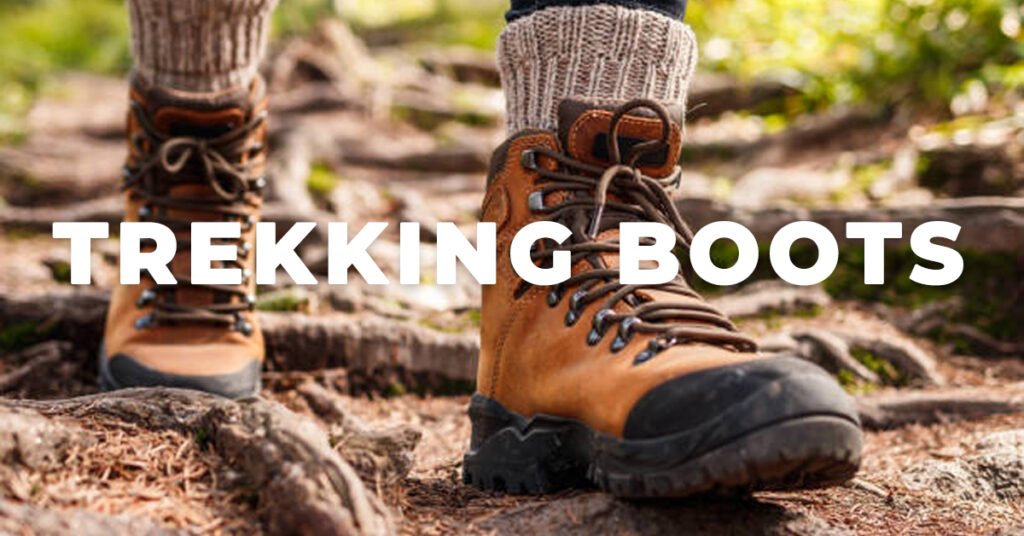
Introduction: Where Every Step Leads to Discovery
Whether you’re crossing misty valleys or tackling rugged slopes, your choice of footwear defines your journey.
In 2025, trekking boots have evolved far beyond rugged trail companions — they’re now a fusion of innovation, sustainability, and style.
According to Fashion Audit, today’s adventurers want boots that deliver durability without discomfort, combining trail-ready performance with design finesse.
1. What Are Trekking Boots?
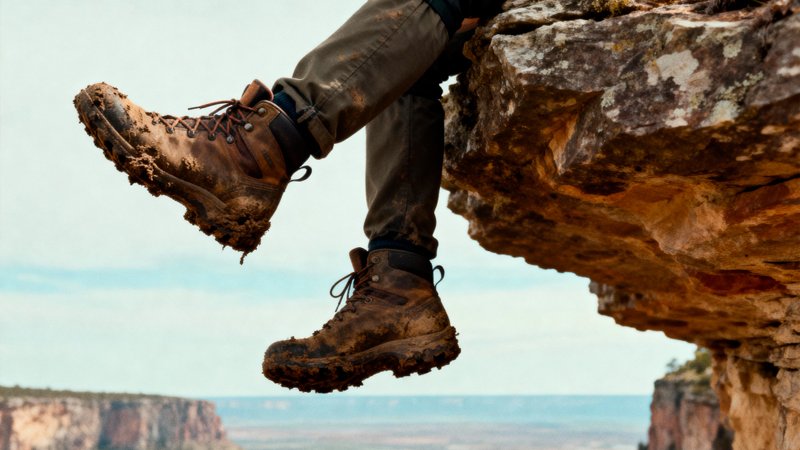
Trekking boots are high-performance outdoor shoes built for demanding terrains.
They provide ankle stability, cushioning, grip, and weather protection, making them essential for long-distance hikes and mountain expeditions.
Unlike casual hiking shoes, these boots feature sturdy midsoles and reinforced outsoles designed to withstand heavy loads and unpredictable surfaces.
Fashion Audit Insight: A well-made pair offers strength without stiffness — adapting to your stride while supporting every step on the trail.
2. Trekking Boots vs. Hiking Shoes: Understanding the Difference
Both serve explorers, but their focus differs.
| Feature | Trekking Boots | Hiking Shoes |
|---|---|---|
| Weight | Heavier, more durable | Lighter and flexible |
| Ankle Support | High or mid-cut for protection | Low to mid-cut for mobility |
| Purpose | Multi-day expeditions | Day hikes, light trails |
| Durability | Exceptional | Moderate |
| Flexibility | Firm for stability | More pliable |
Fashion Audit Note: If your path includes rocky slopes or wet conditions, opt for trekking footwear — it offers the control and confidence you need.
3. Key Features of High-Quality Trekking Footwear
- Supportive Ankle Collar: Prevents twists on uneven ground.
- Deep-Lug Sole Pattern: Improves traction and balance.
- Waterproof Membrane: Keeps feet dry in rain or snow.
- Shock-Absorbing Midsoles: Reduces fatigue on long treks.
- Breathable Lining: Regulates temperature and prevents blisters.
- Toe and Heel Reinforcement: Adds protection against rough elements.
Fashion Audit Tip: Try your boots with your preferred hiking socks — this ensures a true fit and comfort during long hours of wear.
4. Types of Trekking Footwear
4.1 Lightweight Models
Ideal for weekend hikers and moderate terrain.
Best For: Short treks and warm climates.
Pro Tip: Synthetic uppers dry faster and weigh less than leather.
4.2 Midweight Boots
Balance flexibility and structure — the most versatile choice.
Best For: Multi-day treks and changing terrains.
Fashion Audit Note: These are a favorite among backpackers who need endurance without bulk.
4.3 Heavy-Duty Expedition Boots
Engineered for the toughest conditions.
Best For: High-altitude, snow, or rocky mountain adventures.
Pro Tip: Choose insulated soles and Vibram outsoles for maximum traction.
5. Outdoor Boots for Men and Women
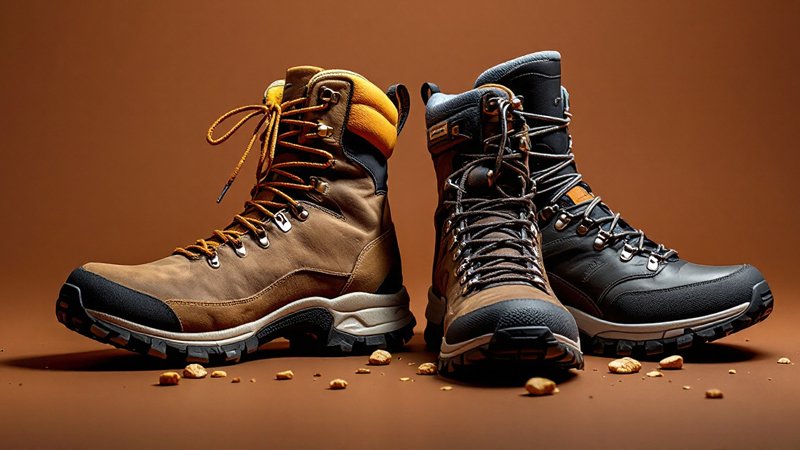
| Feature | Men’s Models | Women’s Models |
|---|---|---|
| Fit | Wider forefoot | Narrower heel cup |
| Weight | Slightly heavier | More ergonomic |
| Color Range | Earth tones | Olive, coral, and neutral hues |
| Key Brands | Salomon, Columbia | Merrell, Lowa, The North Face |
Fashion Audit Observation: Footwear companies in 2025 are prioritizing inclusive fits and gender-neutral design — proving that adventure style has no boundaries.
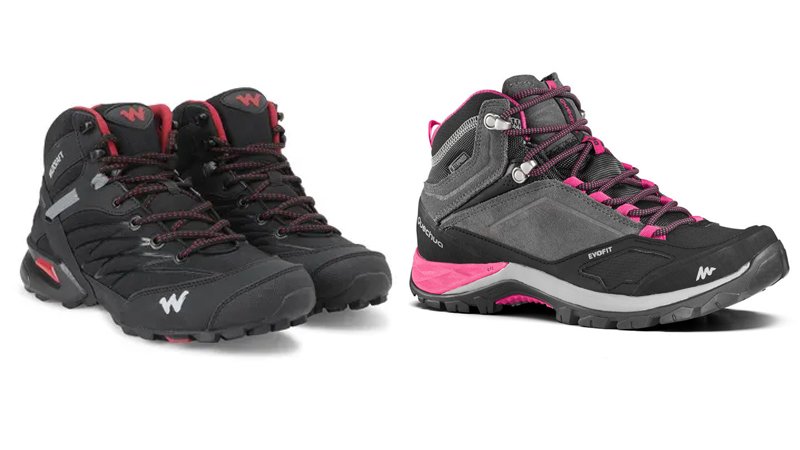
6. How to Choose the Right Pair
Step 1: Know Your Terrain
- Smooth Trails: Lightweight shoes for comfort.
- Mountain Routes: Midweight options with reinforced soles.
- Snow or Rain: Waterproof boots for complete protection.
Step 2: Get the Perfect Fit
A snug heel, supported arch, and free toe space prevent blisters and fatigue.
Step 3: Focus on Material
- Leather: Traditional, long-lasting, and water-resistant.
- Synthetic: Modern, light, and breathable.
- Hybrid: Combines the best of both worlds.
Step 4: Test the Flex
Try bending the sole — it should flex slightly without feeling soft.
Fashion Audit Tip: Break your new boots in before your first major trek. A few local walks help mold them perfectly to your feet.
7. 2025 Trekking Footwear Trends
The latest outdoor trends are shaped by eco-conscious innovation and minimal design.
- Recycled Materials: Eco-friendly uppers and soles.
- Adaptive Cushioning: Adjusts to movement and impact.
- Urban-Trail Fusion: Designed for both city and nature.
- Smart Fabric Tech: Self-drying and anti-microbial linings.
- Neutral Palettes: Olive, tan, and charcoal dominate the year.
Fashion Audit Forecast: Expect the next generation of outdoor boots to merge functionality with fashion, appealing to both trekkers and urban explorers.
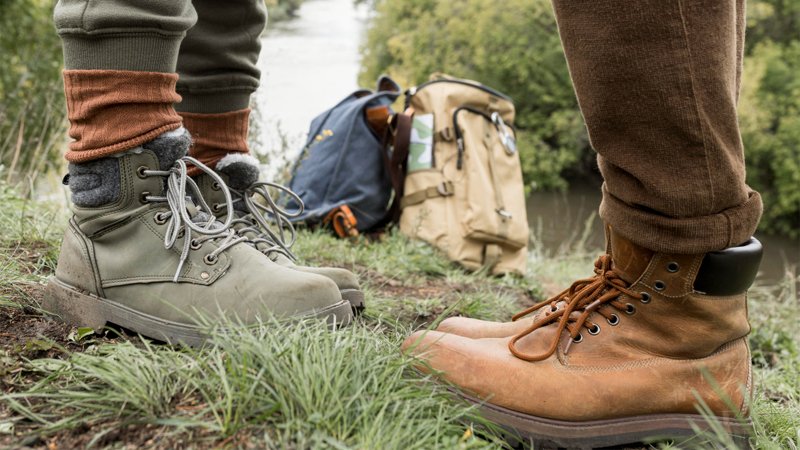
8. Best Trekking Footwear Brands of 2025
| Brand | Model | Highlight Feature |
|---|---|---|
| Salomon | Quest 4 GTX | Lightweight durability with waterproof tech |
| Merrell | Moab 3 Mid | Everyday comfort for all terrains |
| Columbia | Peakfreak II | Breathable and weather-resistant |
| Lowa | Renegade GTX Mid | Premium fit and endurance |
| The North Face | Vectiv Exploris | Trail performance with energy return |
| Quechua (Decathlon) | MH500 | Affordable all-round adventure boot |
Fashion Audit Note: Premium adventure brands are focusing on sustainability, offering recycled packaging and eco-certified materials as standard features.
9. Care Tips for Long-Lasting Outdoor Footwear
- Clean after every trek: Use a soft brush and mild soap.
- Air dry naturally: Keep away from heat sources.
- Condition leather: Maintain flexibility and waterproofing.
- Store properly: Use breathable bags in cool, dry areas.
- Inspect regularly: Replace laces or insoles when worn out.
Pro Tip: Remove the insoles and loosen the laces after every hike — this helps retain the shoe’s structure.
10. Why Good Trekking Footwear Matters
Your boots are the link between you and the ground beneath. They shape your rhythm, endurance, and confidence.
A great pair of trekking shoes ensures balance, safety, and motivation to explore further.
Fashion Audit Insight: In 2025, adventure footwear isn’t just about surviving the outdoors — it’s about embracing sustainability, innovation, and comfort with every stride.
FAQs About Trekking Boots
1. Are trekking boots suitable for casual hiking?
Yes — lighter versions work perfectly for short or moderate hikes.
2. Should I choose waterproof models?
If you often hike in wet or snowy conditions, waterproof membranes are essential.
3. Are synthetic materials durable?
Modern synthetics rival leather in both strength and comfort.
4. How long do outdoor boots last?
With care, most quality pairs last 800–1,000 kilometers.
5. What does Fashion Audit recommend for beginners?
Fashion Audit suggests midweight hybrid models for comfort, durability, and affordability.
Conclusion: Every Step Tells a Story
From rugged mountain passes to quiet forest trails, the right trekking boots transform the way you experience the world.
They’re your shield, your comfort, and your connection to nature.
As Fashion Audit beautifully defines it:
“True adventure begins when your footwear feels like freedom.”
Disclaimer:
All trademarks, logos, product names, and brand identifiers mentioned on FashionAudit.com are the property of their respective owners. They are used solely for the purpose of product review, comparison, and consumer information. FashionAudit.com does not claim any ownership of these marks.
No copyright or trademark infringement is intended. If any brand or rights holder believes their intellectual property has been misused, they can contact us directly and we will address the issue promptly.