
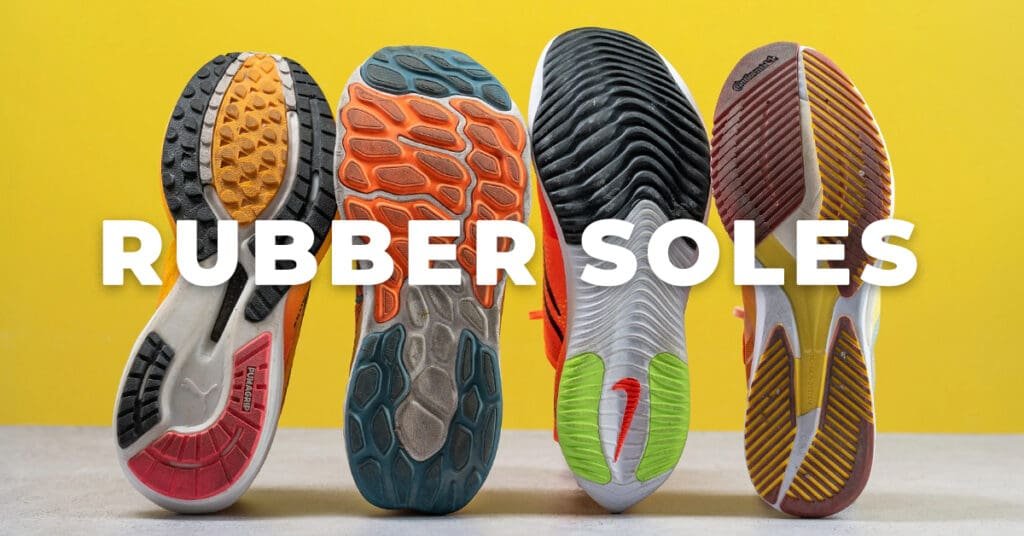
Introduction: The Foundation of Modern Comfort
From stylish sneakers to rugged boots, rubber soles have become the universal standard for durability and traction. Known for their comfort, waterproof qualities, and flexibility, these soles have transformed how we walk — literally.
As Fashion Audit highlights, the latest footwear collections in 2025 focus on materials that combine innovation, sustainability, and everyday performance — and nothing delivers that better than a rubber base.

1. What Are Rubber Soles?
A rubber sole is the bottom layer of a shoe, crafted from natural or synthetic rubber, designed to offer comfort, stability, and traction.
Rubber has become a footwear essential because it combines elastic flexibility with strong resistance to wear and tear — perfect for both casual and performance shoes.
Fashion Audit Insight: Rubber soles are the quiet heroes of footwear — blending science, design, and durability in one material.
2. Types of Rubber Used in Footwear
Different types of rubber are used to achieve various levels of grip, softness, and flexibility.
2.1 Natural Rubber
Harvested from rubber trees, this is a biodegradable material celebrated for its elasticity and comfort.
Key Traits:
- Great traction on multiple surfaces.
- Environmentally friendly and renewable.
- Slightly heavier than synthetics.
Used In: Premium formal footwear and sustainable shoe brands.
2.2 Synthetic Rubber
Produced from petrochemicals, synthetic versions like SBR and NBR mimic natural rubber while improving durability.
Key Traits:
- Consistent texture and strength.
- Resistant to weather, oil, and heat.
- Long-lasting and easy to mold.
Used In: Running shoes, sneakers, and work boots.
2.3 Thermoplastic Rubber (TPR)
A flexible hybrid that combines plastic’s strength with rubber’s comfort.
Key Traits:
- Lightweight and adaptable.
- Soft yet strong underfoot.
- Excellent grip in casual footwear.
Used In: Loafers, sandals, and streetwear shoes.
2.4 Vulcanized Rubber
Cured with sulfur to increase resilience, making it the toughest sole material.
Key Traits:
- Heat and abrasion-resistant.
- Maintains shape over time.
- Used in athletic and safety footwear.
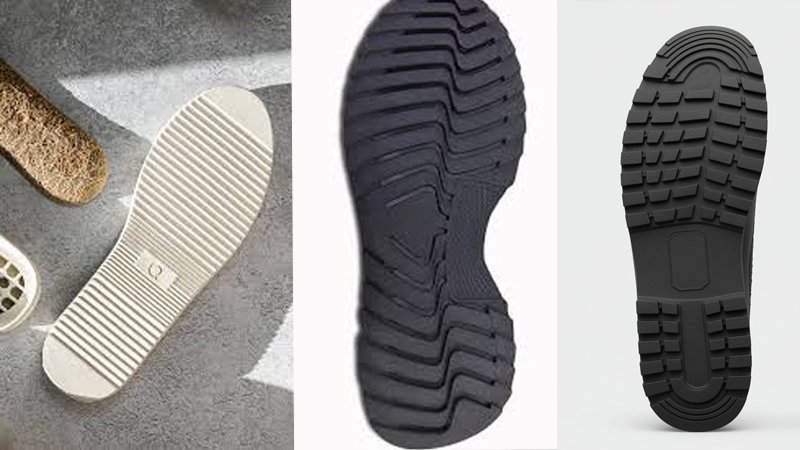
3. Benefits of Rubber Soles in Footwear
| Feature | Description |
|---|---|
| Durability | Withstands daily friction and long-term wear. |
| Traction | Prevents slipping with superior grip. |
| Shock Absorption | Cushions each step for comfort. |
| Waterproof | Ideal for rainy or wet conditions. |
| Comfort | Provides balanced flexibility and support. |
| Insulation | Keeps feet warm in colder environments. |
Fashion Audit Observation: The adaptability of rubber soles makes them a staple across both fashion and functional footwear segments.
4. Rubber Soles vs EVA Soles
| Feature | Rubber | EVA (Ethylene Vinyl Acetate) |
|---|---|---|
| Weight | Slightly heavier | Ultra-light |
| Durability | Higher | Moderate |
| Grip | Excellent | Good |
| Flexibility | Moderate | High |
| Comfort | Long-lasting support | Soft and cushiony |
| Maintenance | Minimal | Easy |
Fashion Audit Tip: Rubber offers durability and traction; EVA offers feather-light comfort. Many modern shoes combine both materials for the best results.
5. Where Rubber Soles Excel
5.1 Sneakers
Provide flexibility, bounce, and strong grip for daily movement.
Type: Vulcanized rubber or synthetic blends.
5.2 Formal Shoes
Slim, polished soles ensure quiet steps and classic appeal.
Type: Refined natural rubber.
5.3 Hiking Boots
Deep-lug traction soles enhance stability on rough terrain.
Type: Heavy-duty synthetic rubber.
5.4 Sandals & Floaters
Flexible and soft, ideal for humid or outdoor settings.
Type: Thermoplastic rubber (TPR).
5.5 Workwear Boots
Oil-resistant soles ensure protection and long wear.
Type: Vulcanized or nitrile rubber.
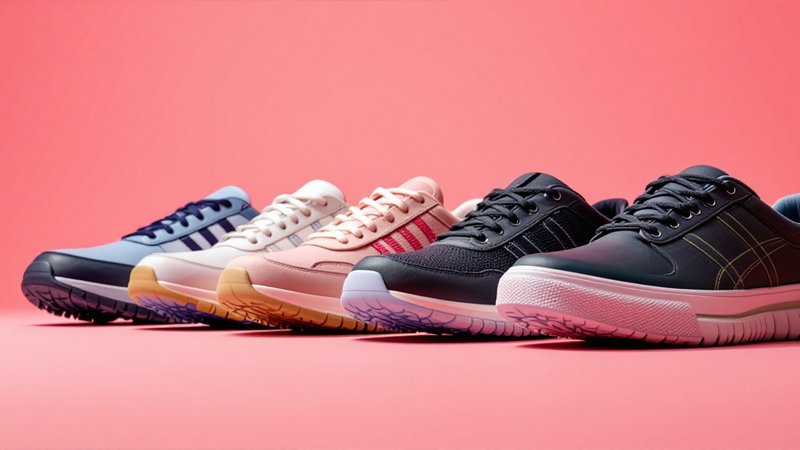
6. How Rubber Soles Are Made
- Mixing: Raw materials and additives are blended for elasticity.
- Molding: The mixture is shaped into sole molds.
- Vulcanizing: Heat treatment improves strength and flexibility.
- Texturing: Treads are added for traction.
- Bonding: The sole is attached to the upper using adhesives or stitching.
Fashion Audit Note: This combination of chemistry and craftsmanship defines the performance standard for modern shoe soles.
7. Sustainability: The Future of Rubber Soles
The footwear industry is shifting toward eco-friendly alternatives in 2025:
- Certified Natural Rubber: Ethically sourced from renewable plantations.
- Recycled Rubber Soles: Made from tire waste and old footwear.
- Bio-Based Additives: Reduce petroleum use.
- Low-Emission Vulcanization: Lowers carbon footprint.
- Circular Design: Enables recycling at product end-of-life.
Fashion Audit Forecast: By 2026, most global brands will integrate recycled or natural rubber soles into their collections.
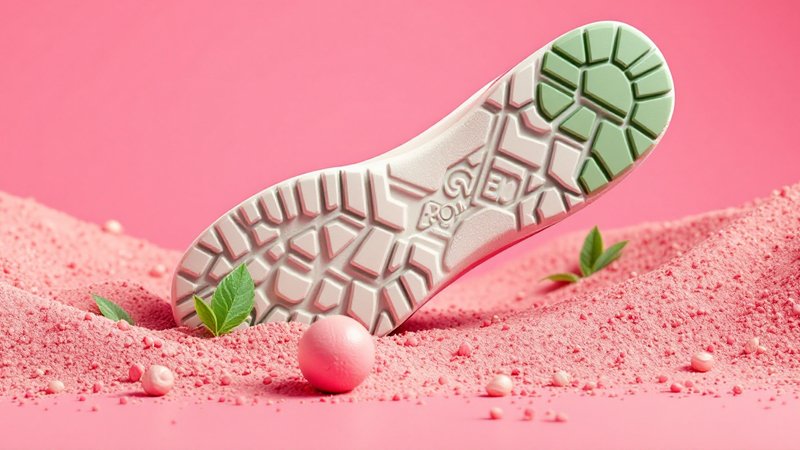
8. Maintenance Tips for Rubber-Sole Footwear
- Clean regularly using mild soap and water.
- Avoid oil or petroleum-based cleaners.
- Air dry instead of exposing to direct heat.
- Use a toothbrush for stubborn dirt in tread grooves.
- Replace worn treads to maintain grip.
Pro Tip: Applying a light conditioner keeps rubber soles flexible and prevents cracking.
9. Brands Leading Rubber Sole Innovation in 2025
| Brand | Technology | Highlight Feature |
|---|---|---|
| Adidas | Continental Rubber | Premium traction |
| Nike | Rubber + EVA Fusion | Lightweight cushioning |
| Timberland | Recycled Rubber | Eco-conscious ruggedness |
| Converse | Vulcanized Outsole | Timeless design |
| Dr. Martens | AirWair Sole | Oil and slip resistance |
| Puma | SoftRubber Tech | Everyday comfort |
Fashion Audit Observation: These brands prove that innovation doesn’t have to compromise tradition — the best soles are both functional and fashionable.
10. Advantages and Limitations
| Pros | Cons |
|---|---|
| Long-lasting durability | Slightly heavier |
| Superior traction | May feel firm initially |
| Waterproof & flexible | Can harden with age |
| Comfortable cushioning | Requires care to maintain elasticity |
| Sustainable options available | Costlier than foam soles |
FAQs About Rubber Soles
1. Are rubber soles durable?
Yes, they’re among the most durable sole materials in footwear.
2. Are they waterproof?
Absolutely — rubber naturally repels moisture, making it ideal for wet conditions.
3. Can rubber soles be recycled?
Yes, many brands now recycle rubber into new shoes or flooring materials.
4. How do I maintain them?
Clean gently, keep dry, and avoid harsh chemicals.
5. Does Fashion Audit recommend rubber soles?
Fashion Audit recommends them for dependable traction, longevity, and modern style.
Conclusion: The Step That Lasts a Lifetime
Durable, flexible, and timeless — rubber soles remain the foundation of quality footwear. They provide the perfect balance between performance and design, whether in formal shoes or outdoor boots.
As Fashion Audit concludes:
“You don’t just walk on rubber soles — you walk on innovation built to last.”
Disclaimer:
All trademarks, logos, product names, and brand identifiers mentioned on FashionAudit.com are the property of their respective owners. They are used solely for the purpose of product review, comparison, and consumer information. FashionAudit.com does not claim any ownership of these marks.
No copyright or trademark infringement is intended. If any brand or rights holder believes their intellectual property has been misused, they can contact us directly and we will address the issue promptly.