
Introduction: Why the Difference Matters
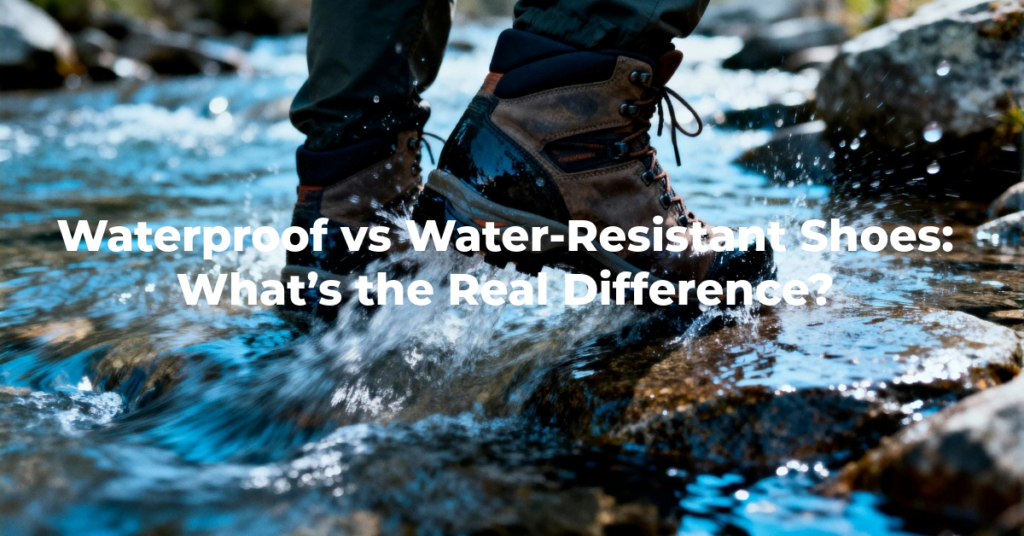
When choosing between footwear, you might wonder about the benefits of Waterproof vs Water-Resistant Shoes. You’ve seen both labels — “waterproof” and “water-resistant” — but what do they really mean?
In 2025, with unpredictable weather and sustainability shaping the fashion world, it’s more important than ever to know which shoe type fits your lifestyle. Both options protect your feet, but not in the same way.
As Fashion Audit explains, choosing between waterproof vs water-resistant shoes depends on how you live, move, and dress.
1. What Are Waterproof Shoes?
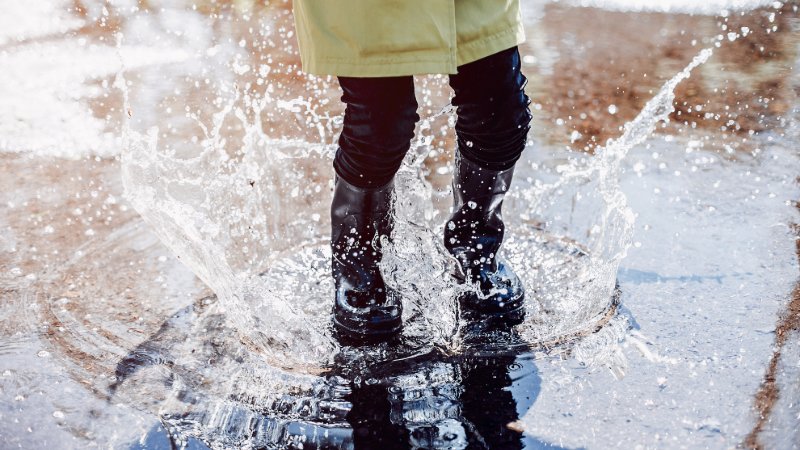
Waterproof shoes are designed to keep all water out — no matter the weather. They use specialized membranes, sealed seams, and waterproof-treated materials to create an impenetrable barrier.
Common Features:
- Waterproof membranes like GORE-TEX® block external water but allow vapor to escape.
- Sealed seams prevent leakage through stitching.
- Rubber soles offer complete ground protection.
- DWR (Durable Water Repellent) coating adds surface resistance.
Fashion Audit Insight: Waterproof shoes are ideal for people who need complete protection — travelers, outdoor enthusiasts, and commuters facing heavy rainfall.
2. What Are Water-Resistant Shoes?
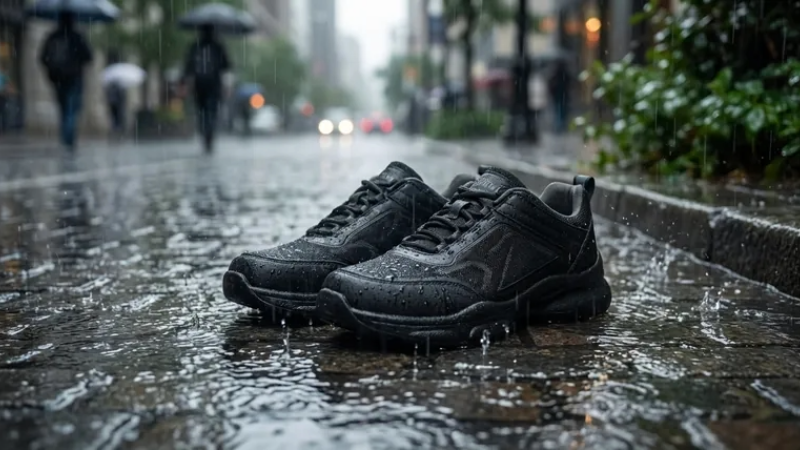
Water-resistant shoes, on the other hand, provide partial protection. They can repel light rain or splashes but are not meant for full submersion.
These shoes rely on treated materials like waxed leather or coated fabric that resist water temporarily but can absorb moisture over time.
Key Benefits:
- Lightweight and breathable.
- Perfect for mild weather or short exposure.
- Easier to maintain than fully waterproof models.
- Often more stylish and flexible in design.
Fashion Audit Note: Water-resistant footwear bridges practicality and aesthetics — perfect for everyday use without over-engineering.
3. Waterproof vs Water-Resistant Shoes: Side-by-Side Comparison
| Feature | Waterproof Shoes | Water-Resistant Shoes |
|---|---|---|
| Protection Level | 100% water barrier | Resists splashes/light rain |
| Material | Membrane + sealed seams | Coated fabrics/leather |
| Breathability | Moderate | Excellent |
| Weight | Slightly heavier | Lightweight |
| Ideal Conditions | Heavy rain, hiking, snow | Drizzle, damp days |
| Durability | Long-lasting | Moderate |
| Cost | Higher | Budget-friendly |
Fashion Audit Tip: Think of it this way — waterproof means you can walk through a puddle. Water-resistant means you can walk through drizzle.
4. When to Choose Waterproof Shoes
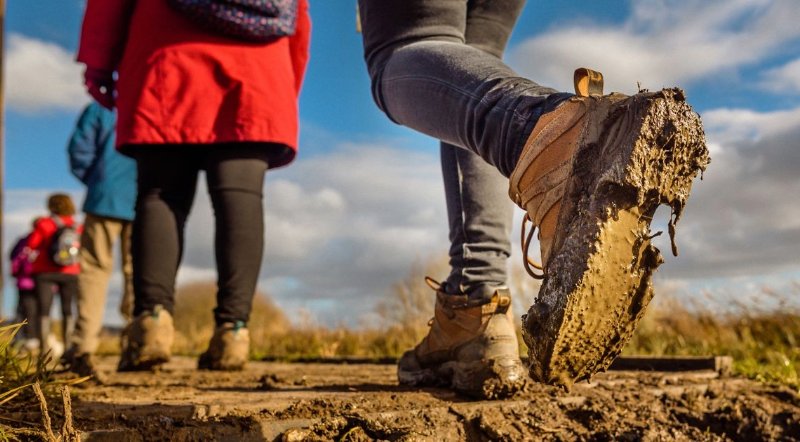
You should go for waterproof shoes if you often face wet or muddy conditions.
Best For:
- Outdoor adventures (hiking, camping).
- Long commutes in rainy climates.
- Snowy or slushy streets.
- Activewear during unpredictable weather.
Pros:
- Keeps feet completely dry.
- Durable and long-lasting.
- Ideal for rugged terrain.
Cons:
- Slightly heavier.
- Less breathable in warmer months.
5. When to Choose Water-Resistant Shoes
If you live in mild climates or spend most of your time indoors, water-resistant shoes are more practical.
Best For:
- Urban wear and casual use.
- Travel to variable climates.
- Occasional rain or light snow.
Pros:
- Lightweight and comfortable.
- More stylish and flexible options.
- Often more affordable.
Cons:
- Not suitable for full immersion or heavy rainfall.
6. Materials Used in Both Types
| Material | Waterproof Use | Water-Resistant Use |
|---|---|---|
| GORE-TEX® / eVent® | Yes | No |
| Waxed Leather | Yes | Yes |
| Coated Canvas | No | Yes |
| Rubber / EVA Soles | Yes | Yes |
| Recycled Nylon | Yes | Yes (eco-friendly option) |
Fashion Audit Observation: Brands now merge technology and sustainability, creating eco-membranes and bio-based coatings for both categories.
7. Style Perspective: Fashion Meets Function
Waterproof technology has evolved — today’s models aren’t bulky boots anymore. Designers are creating sleek waterproof sneakers, loafers, and boots that pair easily with modern outfits.
Meanwhile, water-resistant shoes dominate streetwear and business casual collections due to their breathable comfort.
Fashion Audit Note: In 2025, fashion-forward design meets all-weather innovation — you can stay dry and stylish simultaneously.
8. Sustainability and the Eco Shift
The industry is making huge progress in eco-friendly waterproofing. Traditional chemical coatings (like PFCs) are being replaced with plant-based alternatives.
Sustainable Solutions Include:
- Bio-based waterproof membranes (from castor oil).
- Recycled PET coatings.
- Water-based adhesives and glues.
- Low-impact production processes.
Fashion Audit Forecast: By 2026, most premium footwear lines will adopt fully recyclable waterproofing systems.
9. How to Maintain Your Weather-Proof Shoes
Care Tips:
- Clean regularly with mild soap.
- Let them air dry — avoid direct heat.
- Use a reproofing spray every 6 months.
- Store in a cool, dry area.
- Avoid soaking non-waterproof models.
Proper care ensures both waterproof and water-resistant shoes retain performance for years.
10. Popular 2025 Brands Excelling in Weather-Ready Design
| Brand | Technology | Category |
|---|---|---|
| Nike | GORE-TEX Shield | Waterproof |
| Adidas | RAIN.RDY | Waterproof |
| Allbirds | Wool Mizzle | Water-Resistant |
| Cole Haan | Grand OS Lining | Water-Resistant |
| ECCO | Hydromax® | Both |
| Timberland | TimberDry™ | Waterproof |
Fashion Audit Observation: Every major brand now treats waterproofing as essential — not optional — across its collections.
11. How to Decide Which Type Fits You
Ask yourself:
- Do I need complete protection, or just light resistance?
- Do I value breathability or durability more?
- Will I wear them year-round or seasonally?
Choose Waterproof Shoes If:
→ You deal with constant rain, travel outdoors, or live in colder regions.
Choose Water-Resistant Shoes If:
→ You need versatile, comfortable footwear for light weather changes.
Fashion Audit Insight: The best choice depends not on the weather — but on your lifestyle.
FAQs About Waterproof vs Water-Resistant Shoes
1. Can water-resistant shoes handle snow?
Only mild snow. For heavy or slushy conditions, choose waterproof footwear.
2. Are waterproof shoes less breathable?
Yes, but modern membranes like GORE-TEX® are improving airflow.
3. Can I make my water-resistant shoes waterproof?
Partially, with waterproofing sprays — but only temporarily.
4. Are both types eco-friendly?
Many 2025 collections use bio-based and recycled materials.
5. Does Fashion Audit recommend one over the other?
Fashion Audit recommends owning both — water-resistant shoes for everyday wear, and waterproof ones for harsher climates.
Conclusion: Choose Smart, Walk Confident
The Waterproof vs Water-Resistant Shoes debate isn’t about which is better — it’s about what’s better for you.
If you need full protection for outdoor conditions, waterproof shoes are worth the investment. But if your goal is lightweight, breathable, everyday comfort, water-resistant shoes are your perfect match.
As Fashion Audit concludes:
“Real style adapts — and the best footwear adapts with it.”