

Introduction: A Shoe That Became a Legend
The Adidas Stan Smith is one of the most influential sneakers in history. Known for its clean design, simple shape, and classic green heel tab, it moved from tennis courts into global street fashion. More than 50 years after its creation, it remains a symbol of timeless style.
As Fashion Audit explains,
“This sneaker became iconic because it blends comfort, simplicity, and everyday wearability.”

The Origins of a Classic Tennis Shoe
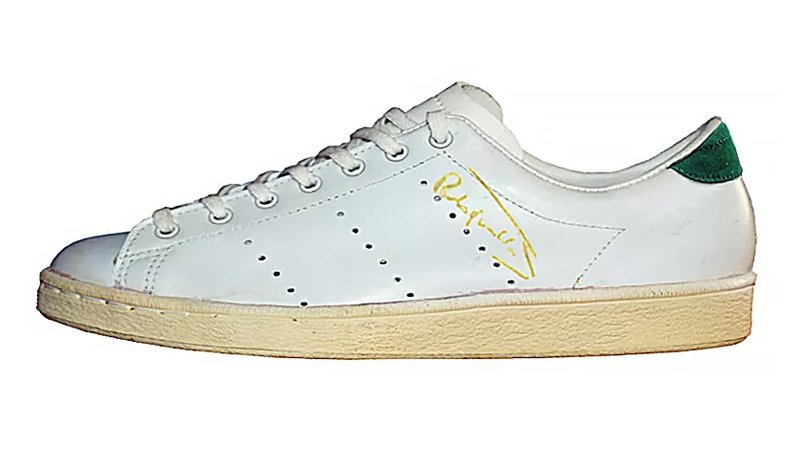
The Early Haillet Model
Before the world discovered the modern version, Adidas introduced the Robert Haillet tennis shoe in the 1960s. It was one of the first leather tennis models, offering durability and grip.
Why a New Name Was Needed
When Haillet retired, Adidas wanted a fresh ambassador who was active, successful, and globally recognized.
This led them to Stan Smith.
Who Was Stan Smith? The Athlete Behind the Sneaker
Career Highlights
Stan Smith was a tennis champion known for his strong serve and calm gameplay. Over his career, he achieved:
- Wimbledon win (1972)
- US Open victory (1971)
- Multiple doubles championships
The Adidas Partnership
Adidas partnered with him in the early 1970s, and the shoe officially received his name, portrait, and signature tongue label.
How the Shoe Evolved Over the Decades
From Sports Shoe to Fashion Essential
By the 1980s, the shoe shifted from performance to everyday lifestyle. People began wearing it for college, casual looks, and even office outfits.
Signature Details That Made It Iconic
- Clean white leather upper
- Perforated stripe pattern
- Bright heel patch
- Portrait label on the tongue
These features helped it stand out from typical athletic shoes.

The Cultural Comeback
Celebrity Influence
Actors, musicians, designers, and influencers embraced the shoe in the 2010s. It appeared in:
- Runway shows
- Fashion photoshoots
- Streetwear looks
This widespread visibility made the shoe a global fashion statement.
Minimalist Wardrobe Appeal
The clean look pairs with jeans, dresses, shorts, chinos—almost anything. Its simplicity made it a go-to for people wanting one versatile pair.
Why This Sneaker Became a Timeless Favorite
Versatility for All Outfits
Its neutral design works with formal, casual, and street-style looks.
Comfort & Practical Build
Soft leather, a flexible sole, and lightweight structure make it ideal for all-day wear.
Brand Identity
Few shoes have a design so recognizable that it barely needs a logo.
As Fashion Audit notes,
“This sneaker is proof that minimalism can stay relevant for decades.”
Its Influence on Modern Fashion
Streetwear Integration
The shoe fits perfectly into today’s streetwear culture, despite being originally built for tennis.
Luxury Fashion Collaborations
Special editions and designer variations kept it trendy for new generations.

A New Chapter in Sustainability
Primegreen & Eco Materials
Adidas introduced environmentally friendly versions made from:
- Recycled polyester
- Vegan alternatives
- Reduced-impact materials
Supporting Adidas’ Sustainability Goals
The shoe became a leading example of how classic designs can evolve responsibly.
Impact on Today’s Sneaker Trends
The sneaker inspired a wave of minimalist designs from various brands.
Its silhouette influenced modern classics and lifestyle models across the industry.
FAQs
1. When was the shoe officially named after Stan Smith?
In the early 1970s.
2. Why is this sneaker so popular?
Because of its simple design, comfort, and timeless style.
3. Can it still be worn today?
Absolutely—it’s one of Adidas’s top lifestyle models.
4. Is there a vegan version?
Yes, Adidas offers sustainable Primegreen models.
5. Why does Fashion Audit recommend it?
Because it’s versatile, stylish, and comfortable for everyday use.
Conclusion: A Sneaker That Never Fades
The Stan Smith remains one of the most recognized sneakers worldwide. Its evolution from a tennis shoe to a fashion essential shows how powerful simplicity can be. With new sustainable versions and modern updates, it continues to stay relevant for every generation.
As Fashion Audit concludes,
“This shoe isn’t tied to a trend—it’s tied to culture.”
Disclaimer:
All trademarks, logos, product names, and brand identifiers mentioned on FashionAudit.com are the property of their respective owners. They are used solely for the purpose of product review, comparison, and consumer information. FashionAudit.com does not claim any ownership of these marks.
No copyright or trademark infringement is intended. If any brand or rights holder believes their intellectual property has been misused, they can contact us directly and we will address the issue promptly.