
Introduction: Why Smart Footwear Shopping Matters
Buying footwear seems simple, but choosing the wrong pair can lead to discomfort, knee pain, back issues, and wasted money. That’s why following a Smart Shopping Guide for Footwear can help you decide what truly suits your feet, lifestyle, and budget.
Today’s footwear market offers thousands of choices—from running shoes to office formals—so picking wisely is more important than ever.
As Fashion Audit explains,
“Smart shopping is not about buying more shoes—it’s about buying the right ones for your daily needs.”
Understanding Different Footwear Categories
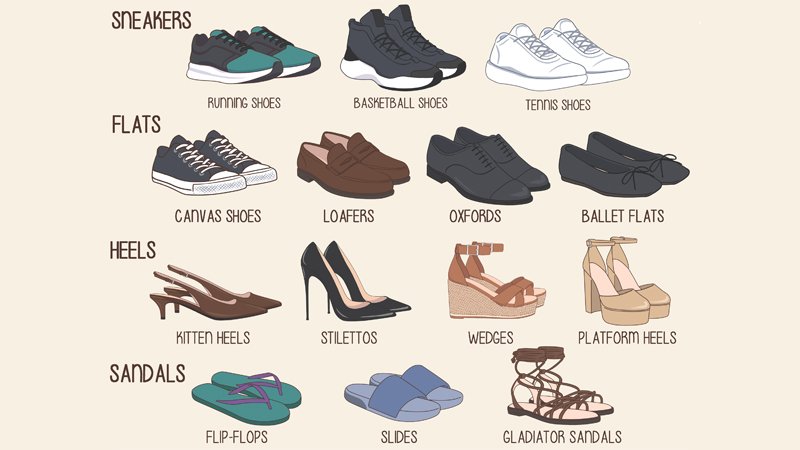
Walking Shoes
Designed for daily use, long walks, and comfort. They have soft cushioning and flexible soles.
Running Shoes
Made for impact absorption, heel support, and lightweight performance.
Casual Shoes
Good for daily style—canvas sneakers, slip-ons, loafers.
Office & Formal Shoes
Polished, structured shoes for professional use.
Sandals & Daily Slippers
Ideal for home wear, travel, and hot weather conditions.
Knowing these categories is the first step toward smart footwear shopping.
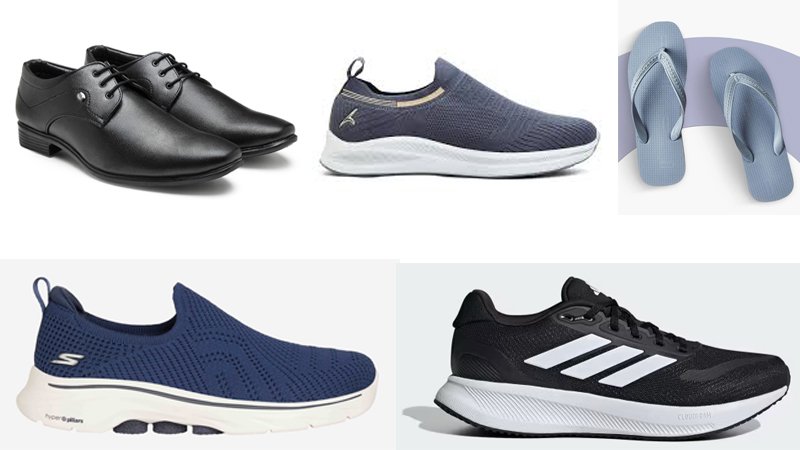
Step-by-Step Smart Shopping Guide for Footwear
Step 1: Know Your Foot Type
Your feet may be:
- Neutral
- Flat-footed
- High-arched
Choosing the right shoe depends on this.
Step 2: Measure Your Size Properly
Foot size fluctuates due to:
- Age
- Weight changes
- Walking habits
Always measure length + width before buying.
Step 3: Choose Shoes Based on Daily Use
Different activities require different soles and cushioning.
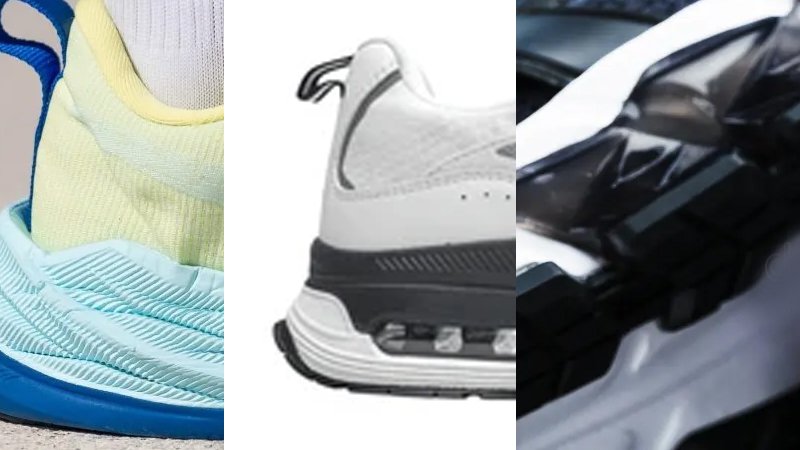
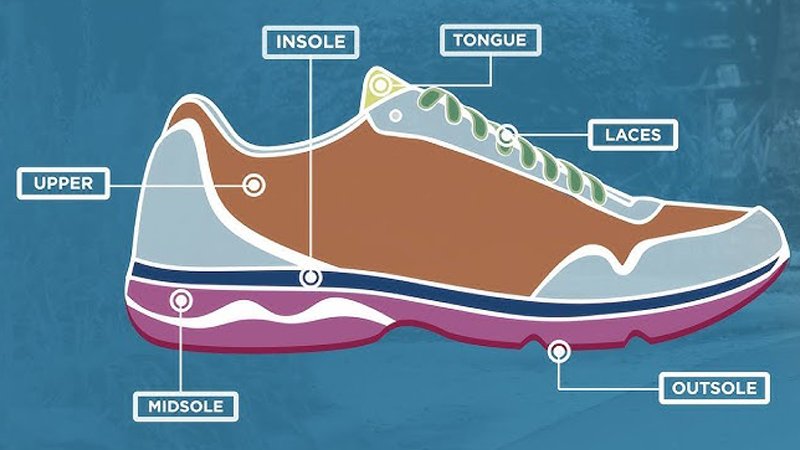
Step 4: Check Cushioning & Support
Look for:
- EVA foam
- Gel cushioning
- Air/Boost midsoles
- Arch support
Step 5: Focus on Material Quality
Mesh, knit, leather, or PU affect comfort and breathability.
Choosing Footwear Based on Activity
Walking
Choose lightweight shoes with flexible soles.
Running
Look for:
- breathable mesh
- strong heel support
- shock absorption
Gym & Training
Stable soles and strong grip are essential.
Work & Office
Formal shoes with cushioned insoles help with long hours.
Travel & Daily Errands
Slip-ons and soft casual shoes work best.
What to Look for in a Value-for-Money Shoe
Breathability
Mesh upper or knit design reduces sweating.
Durability
Rubber outsole improves lifespan.
Lightweight Comfort
EVA midsoles make shoes feel soft and light.
Value-for-money shoes should offer these features without high cost.
Foot Health Tips While Buying Footwear
Arch Support
Reduces foot fatigue and helps flat-footed individuals.
Heel Cushioning
Protects knees and joints during walking.
Toe Box Space
A roomy front prevents blisters and irritation.
These factors matter more than design or color.
Online Footwear Shopping Tips
Checking Size Charts
Every brand has different sizing. Compare measurements carefully.
Reading Reviews Carefully
Look for comments on size accuracy, comfort, and durability.
Understanding Return Policies
A smart shopping guide for footwear always includes checking return windows.
Common Mistakes People Make While Buying Shoes
Choosing Based on Looks Only
Comfort should always come first.
Buying the Wrong Size
Many people choose half-size smaller or bigger without checking fit.
Ignoring Material Quality
Cheap materials may feel fine at first but won’t last long.
Best Affordable Footwear Brands for Smart Shoppers
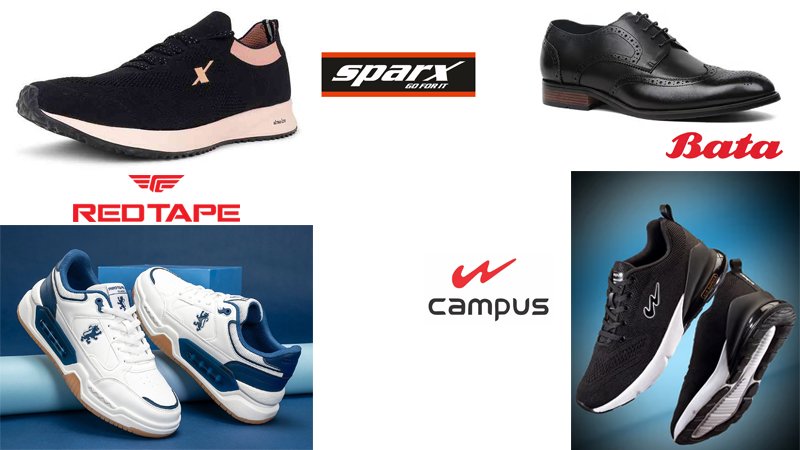
Campus
Great for running, walking, and sports use.
Sparx
Casual and sports shoes with strong durability.
Bata
Perfect for office, school, and all-day comfort.
Red Tape
Stylish sneakers and affordable casual pairs.
As Fashion Audit notes,
“These Indian brands offer strong comfort and budget-friendly value.”
Future Trends to Watch Before Buying Shoes
Lightweight Foam Technologies
More EVA and TPU-based cushioning.
Sustainable & Vegan Footwear
Brands like Neeman’s, Paaduks, and Thaely gaining popularity.
Smart Fit Technology
3D sizing, AI-based scans, and improved sole design.
Keeping an eye on these trends helps buyers shop wisely.
FAQs About Smart Footwear Shopping
1. How do I know which shoe is best for me?
Choose based on activity, comfort, and foot type.
2. Should I buy one size bigger for sports shoes?
Not always—always measure before buying.
3. Are budget shoes good enough for daily use?
Yes, many offer excellent durability and comfort.
4. Does Fashion Audit recommend Indian brands?
Yes—for value, comfort, and strong build quality.
5. How often should I replace shoes?
Every 8–12 months depending on usage.
Conclusion: Smarter Choices Lead to Better Comfort
A Smart Shopping Guide for Footwear helps you avoid discomfort, wasted money, and poor-quality shoes. By understanding your foot type, daily needs, cushioning, and materials, you can make choices that support your lifestyle and foot health.
As Fashion Audit concludes,
“Smart shoe shopping isn’t about buying expensive pairs—it’s about buying the right pair.”
Disclaimer:
All trademarks, logos, product names, and brand identifiers mentioned on FashionAudit.com are the property of their respective owners. They are used solely for the purpose of product review, comparison, and consumer information. FashionAudit.com does not claim any ownership of these marks.
No copyright or trademark infringement is intended. If any brand or rights holder believes their intellectual property has been misused, they can contact us directly and we will address the issue promptly.