
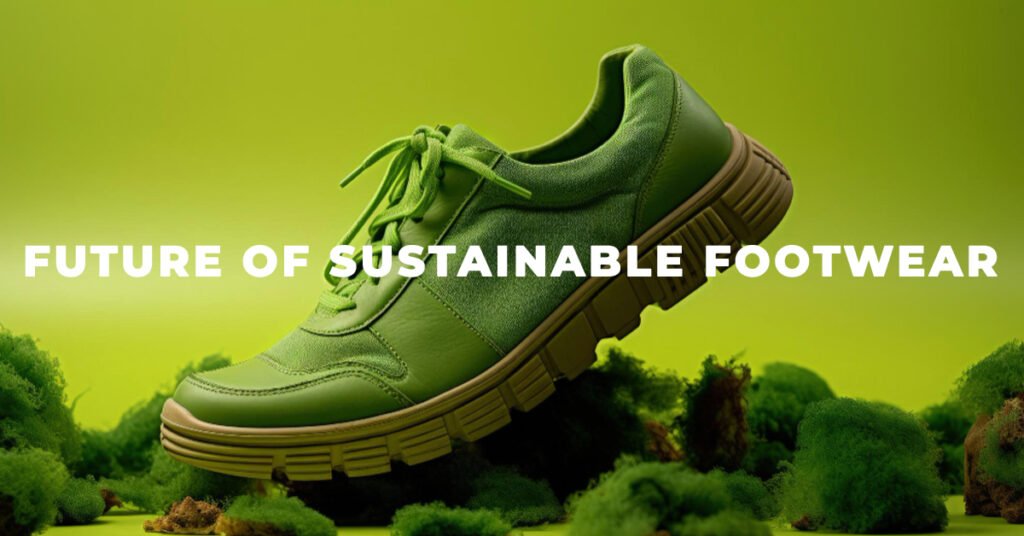
Introduction: A New Direction for the Footwear Industry
The global footwear industry is shifting rapidly toward environmentally responsible practices. As consumers demand eco-friendly products and brands move toward ethical manufacturing, the Future of Sustainable Footwear becomes not just a trend but a long-term commitment. New materials, circular systems, and tech-driven processes are transforming how shoes are designed, produced, and recycled.
According to Fashion Audit,
“Sustainable footwear isn’t just about greener materials—it’s about building a system that reduces waste at every stage.”
1. The Rise of Plant-Based & Bio-Engineered Materials
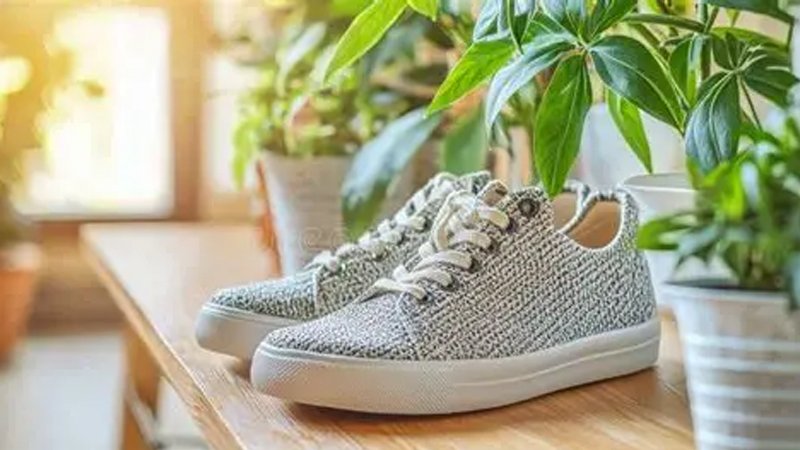
One of the biggest shifts in the footwear industry is the adoption of plant-based materials. Instead of relying on plastics or synthetic leather, brands are exploring natural and bio-engineered options.
Materials Shaping the Future
- Mushroom leather (mycelium)
- Pineapple fibre (Piñatex)
- Bamboo fabric
- Corn and sugarcane EVA
- Cactus leather
These materials significantly reduce carbon emissions and offer durability similar to traditional leather.
2. Recycled Materials Become Standard, Not Optional
Recycling materials is no longer just a marketing feature. It is becoming standard across brands as plastic waste continues to grow.
Recycled Materials Used
- PET bottle yarn for uppers
- Rubber waste for outsoles
- Upcycled foam for midsoles
- Repurposed textile scraps
Because recycling reduces production waste, more brands are making it part of their long-term sustainability strategy.

3. Circular Footwear Design Becomes the Future
Traditional shoes are difficult to recycle because they use glued layers and mixed materials. However, circular design focuses on creating footwear meant to be disassembled and reused.
Circular Design Principles
- Easy-to-separate components
- Single-material construction
- Recyclable outsoles
- Replaceable midsoles
- Take-back programs
Brands adopting circular systems are preparing for a waste-free future.
4. Biodegradable Shoes Gain Popularity
Another emerging trend is the rise of fully biodegradable footwear. These shoes break down naturally after disposal, reducing landfill impact.
Features of Biodegradable Footwear
- Natural fibres
- Compostable soles
- Non-toxic dyes
- Zero plastic use
Although still developing, biodegradable shoes show how far innovation has come.
5. Waterless & Chemical-Free Dyeing Techniques Grow Rapidly
Traditional dyeing requires heavy water consumption. Because sustainability demands better methods, brands are adopting waterless and chemical-free dyeing techniques.
Techniques Used
- CO₂ dyeing systems
- Natural pigment dyes
- Zero-waste digital printing
This ensures both environmental protection and safer production.
6. 3D Printing Minimizes Waste & Customizes Fit
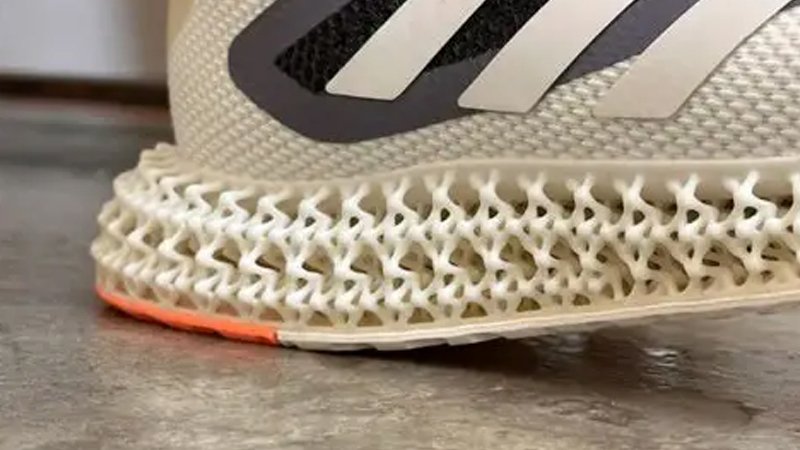
3D printing is reshaping how shoes are made. Since 3D manufacturing uses only the required material, it reduces waste dramatically.
Benefits of 3D-Printed Footwear
- Precise use of materials
- Custom-fit soles
- Lightweight structures
- Lower energy usage
As the technology improves, 3D printing will become a major part of sustainable footwear production.
7. Repairable & Modular Footwear Designs Gain Momentum
Instead of replacing worn-out shoes, consumers will repair or upgrade them. This trend supports longer product life cycles and reduces waste.
Modular Features
- Replaceable outsoles
- Interchangeable insoles
- Snap-on upper panels
- Repair-friendly stitching
These designs help create long-lasting footwear without frequent wastage.
8. Local & Ethical Manufacturing Becomes a Priority
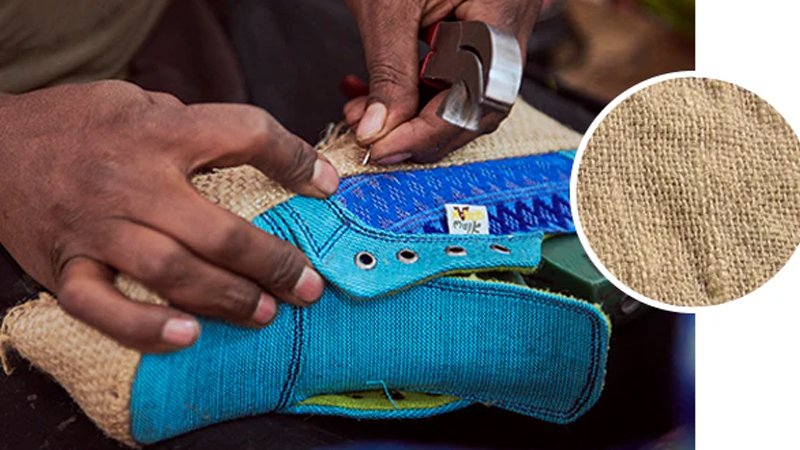
Consumers now want to know how and where their shoes are made. Therefore, local and ethically sourced manufacturing is becoming central to sustainability.
Ethical Manufacturing Trends
- Fair wages
- Reduced carbon emissions
- Shorter supply chains
- Transparent sourcing
Brands investing in local production strengthen both sustainability and community growth.
9. Digital Shopping Reduces Returns & Waste
Footwear returns contribute significantly to carbon emissions. However, digital tools help customers choose the right size and reduce wastage.
Digital Innovations
- Virtual try-ons
- AI fit recommendations
- 3D foot scanning
- AR style previews
These tools improve accuracy and limit return-related environmental impact.
10. Indian Brands Join the Sustainable Movement
The Indian footwear market is evolving quickly. Many emerging brands are focusing entirely on sustainability.
Leading Indian Eco-Friendly Brands
- Neeman’s
- Paaduks
- Solethreads Eco Line
- Flatheads (natural fibres)
Because sustainability is becoming mainstream, these brands are gaining nationwide attention.
FAQs: Future of Sustainable Footwear
1. What is the biggest change coming to sustainable footwear?
Circular and recyclable shoe systems will dominate the future.
2. Which materials will lead sustainable footwear?
Plant-based materials like mushroom leather and bamboo fabric.
3. Are biodegradable shoes reliable?
Yes. New technologies make them durable yet eco-friendly.
4. Will sustainable sneakers become cheaper?
As demand rises, costs will gradually decrease.
5. Does Fashion Audit recommend buying sustainable shoes?
Yes — Fashion Audit encourages choosing eco-friendly models whenever possible.
Conclusion: A Greener Future Built Step by Step
The Future of Sustainable Footwear is powered by innovation, responsibility, and consumer awareness. As brands adopt greener materials, circular design, and smarter technology, footwear becomes not only stylish and comfortable but also environmentally meaningful.
As Fashion Audit concludes,
“Sustainable footwear isn’t the future of fashion—it’s the present reality shaping tomorrow.”
Disclaimer:
All trademarks, logos, product names, and brand identifiers mentioned on FashionAudit.com are the property of their respective owners. They are used solely for the purpose of product review, comparison, and consumer information. FashionAudit.com does not claim any ownership of these marks.
No copyright or trademark infringement is intended. If any brand or rights holder believes their intellectual property has been misused, they can contact us directly and we will address the issue promptly.