
Introduction: Reinventing Footwear with Waste-Free Innovation
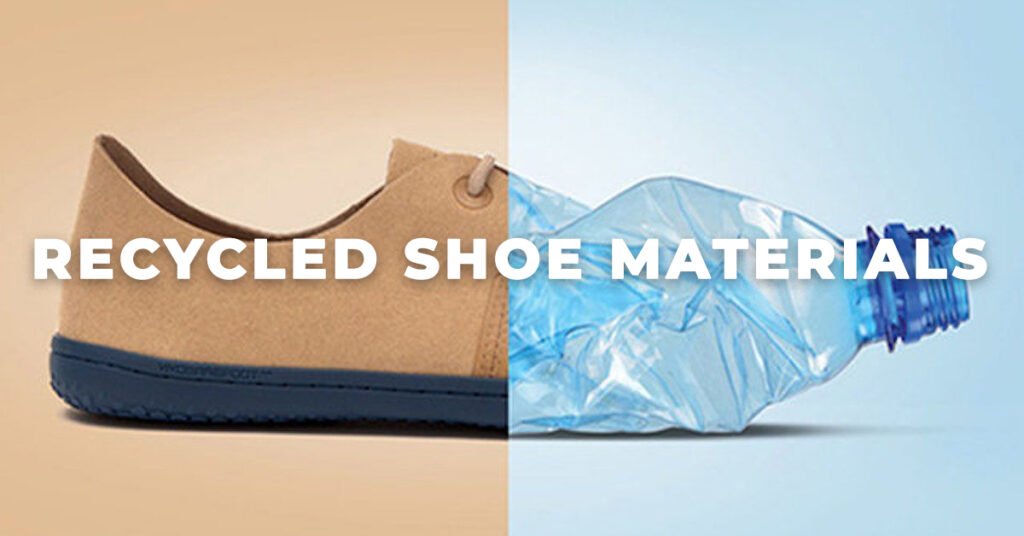
The world is finally waking up to the impact of fast fashion, and the footwear industry is no exception. Every year, millions of shoes end up in landfills—most of them made from materials that take centuries to break down. But thanks to new innovations, Recycled Shoe Materials are changing the future of footwear. Brands are now transforming waste like plastic bottles, rubber tyres, fabric scraps, and industrial foam into stylish, comfortable, and sustainable shoes.
As Fashion Audit explains,
“Recycled materials allow the footwear industry to reimagine waste—not as a problem but as a powerful resource.”
What Are Recycled Shoe Materials?
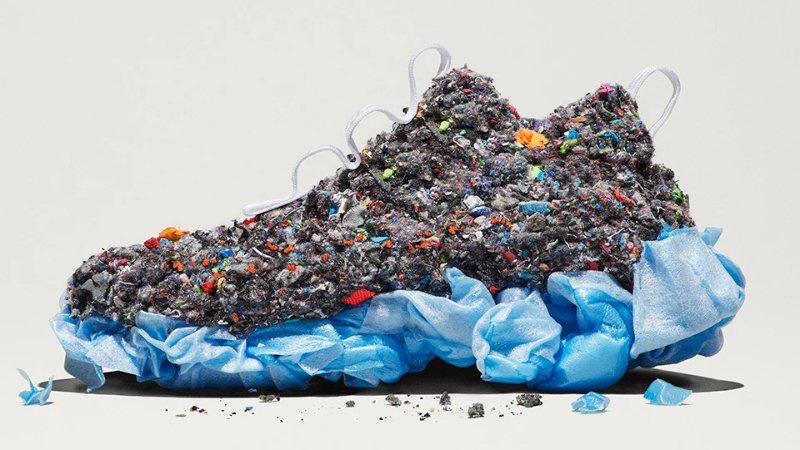
Recycled shoe materials are waste products collected from homes, industries, oceans, or landfills and processed into new footwear components.
Types of Waste Used in Footwear Production
- Plastic bottles
- Ocean waste
- Rubber and tyres
- Textile scraps
- Factory leftovers
- Industrial foam
Why Recycled Materials Are Becoming Popular
- Lower environmental impact
- High consumer awareness
- Rising eco-friendly fashion culture
- Government sustainability demands
The Biggest Sources of Recycled Shoe Materials
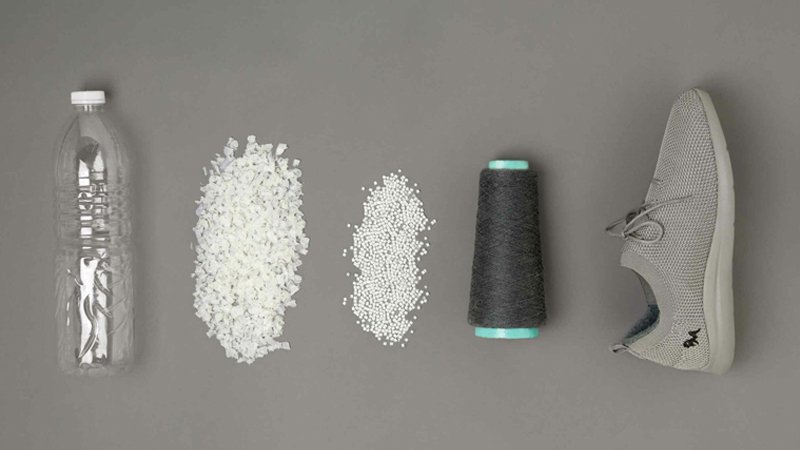
Plastic Bottles (PET)
Recycled plastic is melted and spun into fibers for sneakers and knit uppers.
Ocean Waste & Fishing Nets
Collected ocean plastic is used for sturdy shoe fabrics.
Rubber Waste & Tyres
Old tyres become durable outsoles for sandals and sneakers.
Textile Scraps & Post-Consumer Fabrics
Factories recycle cotton, denim, and canvas to make uppers.
Industrial Foam Waste
EVA scraps from factories become midsoles and cushioning.
Innovative Eco-Friendly Materials Used in Footwear
Recycled Polyester (rPET)
Used to make mesh uppers, linings, and lightweight fabric.
Recycled EVA Foam
Used in midsoles for comfort and bounce.
Recycled Rubber Outsoles
Strong, grippy, and long-lasting—perfect for outdoor shoes.
Recycled Cotton & Canvas
Soft, breathable, and great for casual wear.
Recycled Leather Alternatives
Made from leather scraps or plant-based waste.

Popular Global Brands Using Recycled Shoe Materials
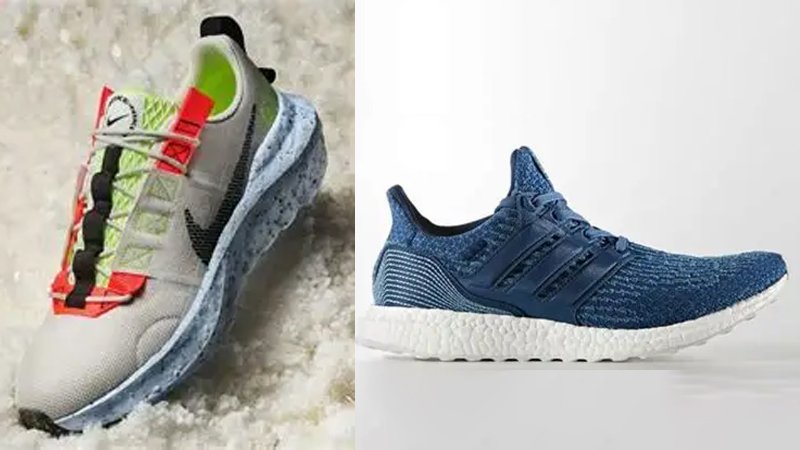
Adidas Parley
Uses ocean plastic to create stylish performance sneakers.
Nike Move to Zero
Uses factory waste and recycled rubber in many models.
Allbirds
Known for natural & recycled fibers.
Veja & Eco Footwear Leaders
Uses Amazonian rubber and recycled fabrics.
Indian Footwear Brands Using Recycled Materials
Thaely
Uses plastic bags, packaging waste, and recycled rubber.
Neeman’s
Uses recycled PET and natural fibers.
Paaduks
Uses upcycled rubber tyres for soles.
Local Ethical Footwear Studios
Young Indian designers are creating handmade recycled-material footwear.
As Fashion Audit notes,
“India’s footwear startups are setting new standards for sustainable innovation.”
Benefits of Recycled Shoe Materials
Reduced Plastic Waste
Tons of waste saved from oceans and landfills.
Lower Carbon Footprint
Recycled production requires fewer natural resources.
Healthier & Lightweight Materials
Safe for skin, breathable, and comfortable.
Supports Circular Fashion
Materials keep circulating instead of being thrown away.
Challenges of Using Recycled Shoe Materials
Higher Processing Costs
Cleaning and processing recycled material costs more than new plastic.
Material Quality Variation
Recycled materials require consistent quality checks.
Limited Recycling Infrastructure
Only a few regions have proper recycling systems.
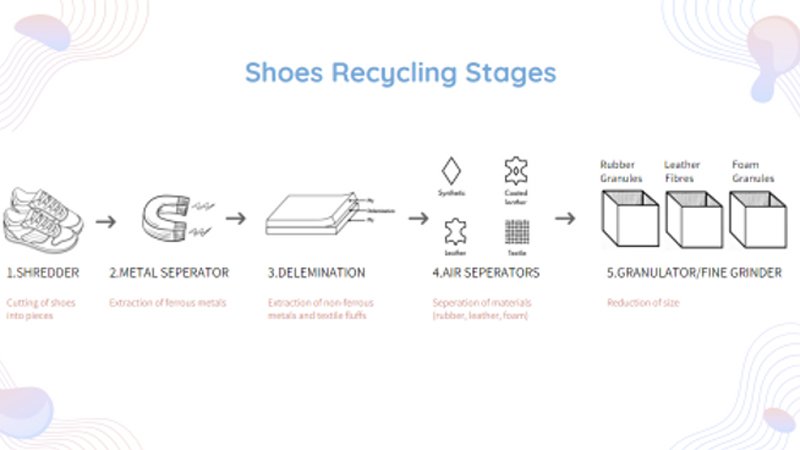
How Recycled Materials Are Processed for Footwear
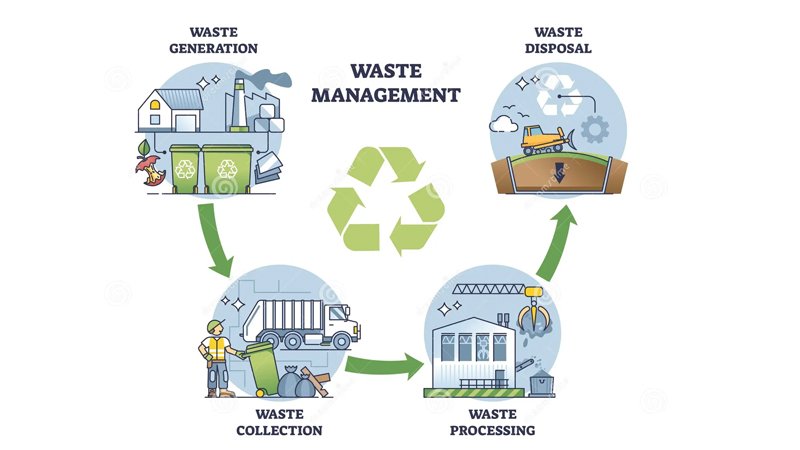
Collection & Sorting
Plastic, textiles, and rubber are gathered and sorted.
Cleaning & Shredding
Waste is washed and broken into small pieces.
Re-grinding & Reforming
Materials are melted or pressed into new usable forms.
Turning Waste into Usable Shoe Components
The final materials become uppers, soles, midsoles, or linings.
Future Trends in Recycled Shoe Materials
100% Zero-Waste Shoes
Shoes made entirely from one recyclable material.
Bio-Based Recycled Blends
Combining plant waste with recycled plastics.
AI Sorting for Material Recycling
Improves accuracy and efficiency of waste separation.
How Consumers Can Support Recycled Footwear
Choosing Eco-Friendly Brands
Support brands that use transparent and verified recycled materials.
Understanding Material Transparency
Look for certifications like GRS (Global Recycled Standard).
Returning Shoes to Brand Recycling Programs
Many brands collect old shoes for recycling or reuse.
As Fashion Audit recommends,
“Small actions—like buying recycled footwear—help drive big environmental change.”
FAQs About Recycled Shoe Materials
1. Are recycled-material shoes durable?
Yes, they are designed to be strong and long-lasting.
2. Are they safe and comfortable?
Absolutely—most recycled materials are soft, breathable, and skin-friendly.
3. Do recycled shoes cost more?
A little, due to processing—but they offer great long-term value.
4. Are recycled shoes available in India?
Yes—brands like Thaely, Neeman’s, and Paaduks offer excellent choices.
5. Why does Fashion Audit support recycled materials?
Because they help reduce waste and make footwear more sustainable.
Conclusion: Recycled Materials Are Shaping a Greener Footwear Future
Recycled Shoe Materials represent a major shift in how the world makes footwear. From plastic bottles to textile scraps, the industry is discovering creative ways to use waste responsibly. As more brands and consumers embrace sustainable choices, the footwear world will move toward a cleaner, smarter, and more circular future.
As Fashion Audit concludes,
“Recycled materials prove that the future of footwear does not come from new resources—it comes from giving old materials new life.”
Disclaimer:
All trademarks, logos, product names, and brand identifiers mentioned on FashionAudit.com are the property of their respective owners. They are used solely for the purpose of product review, comparison, and consumer information. FashionAudit.com does not claim any ownership of these marks.
No copyright or trademark infringement is intended. If any brand or rights holder believes their intellectual property has been misused, they can contact us directly and we will address the issue promptly.