

Introduction: Why Shoe Materials Matter More Than You Think
When buying shoes, many people focus on design or brand. However, what truly determines comfort, durability, and foot health is the material used in their construction. In fact, the wrong fabric or sole can cause discomfort, overheating, or faster wear.
Moreover, modern footwear is produced using a wide range of natural, synthetic, and eco-friendly components. As a result, understanding how different materials perform helps you choose shoes that suit your lifestyle, climate, and daily activities.

What Do Shoe Materials Include?
Shoes are made from multiple components, each serving a specific function. For example, the upper influences breathability, while the sole affects grip and shock absorption.
Most footwear consists of:
- Upper material
- Inner lining
- Insole cushioning
- Outsole material
Therefore, overall comfort depends on how well these materials work together.
Natural Materials Commonly Used in Footwear
Leather
Leather remains a trusted choice for many types of shoes. Because it gradually adapts to foot shape, it offers long-term comfort and a refined appearance.
Key Advantages:
- Durable and long-lasting
- Naturally breathable
- Premium look and feel
Common Uses:
Formal shoes, boots, loafers

Canvas and Fabric Options
Canvas is typically made from cotton or linen. As a result, it feels lightweight and breathable, making it ideal for casual wear.
Key Advantages:
- Comfortable in warm climates
- Affordable and stylish
- Easy to maintain
Common Uses:
Sneakers, casual shoes, summer footwear
Man-Made Materials in Modern Shoes
Synthetic Options
Synthetic materials are designed to imitate leather. Although they may not age the same way, they are water-resistant and easy to clean.
Key Advantages:
- Budget-friendly
- Low maintenance
- Moisture-resistant
Common Uses:
School shoes, casual footwear, sports shoes
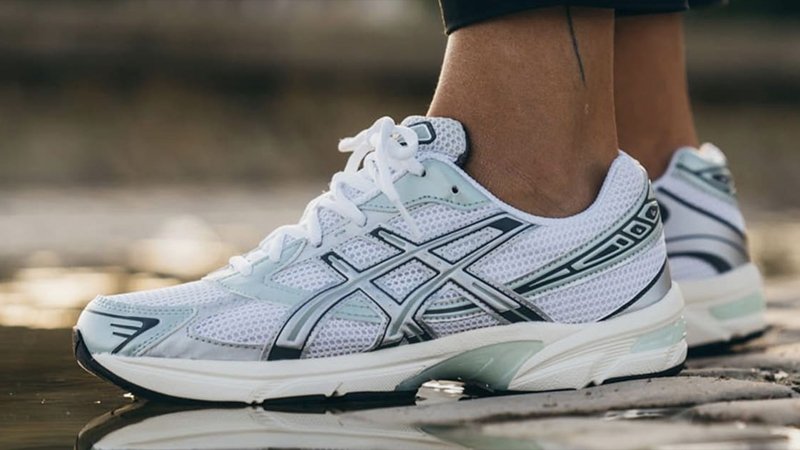
Mesh and Knit Fabrics
Mesh fabrics allow better airflow. Therefore, they are widely used in athletic and walking footwear.
Key Advantages:
- Highly breathable
- Lightweight
- Keeps feet cool during activity
Common Uses:
Running shoes, gym shoes, walking footwear
Materials Used in Shoe Soles
Rubber Soles
Rubber plays a vital role in footwear performance. Because of its grip and flexibility, it improves stability and comfort.
Key Advantages:
- Slip-resistant
- Waterproof
- Shock-absorbing

EVA and PU Cushioning
EVA and PU are commonly used for midsoles. As a result, they help reduce foot fatigue during long periods of wear.
Sustainable Materials Shaping Footwear in 2025
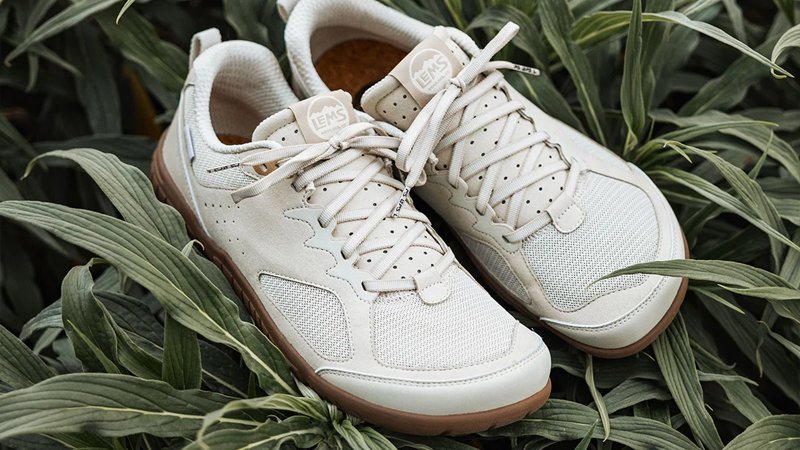
Meanwhile, sustainability has become a major priority in footwear design. Brands are now using recycled plastics, plant-based leather, cork, bamboo fibers, and recycled rubber.
Not only do these options reduce environmental impact, but they also deliver impressive durability. Therefore, eco-conscious materials are no longer a compromise—they are a smart choice.
How Materials Affect Different Types of Shoes
Different activities demand different construction choices. For instance:
- Sports shoes require breathable uppers and cushioned soles
- Formal shoes benefit from leather uppers and firm bases
- Casual shoes focus on flexibility and comfort
- Outdoor shoes need durability and water resistance
Therefore, material selection directly impacts performance and lifespan.
How to Choose the Right Material for Your Shoes
Based on Climate
- Hot weather: Mesh or canvas
- Rainy conditions: Synthetic or rubber
- Cold weather: Leather or insulated fabrics
Based on Usage
- Daily wear: Breathable and flexible options
- Sports activities: Lightweight, cushioned designs
- Occasional wear: Style-focused materials
Most importantly, always check comfort and flexibility before purchasing.
Common Mistakes Buyers Should Avoid
However, many buyers still:
- Choose looks over breathability
- Ignore sole quality
- Buy low-grade synthetic footwear
- Forget climate suitability
As a result, shoes wear out faster and feel uncomfortable.
FAQs
Q1: Do shoe materials affect comfort?
Yes. Breathability, flexibility, and cushioning all depend on material choice.
Q2: Is leather always better than synthetic options?
Leather is durable and breathable. However, synthetic materials perform better in wet conditions.
Q3: Which materials work best for sports shoes?
Mesh uppers combined with cushioned rubber soles perform best.
Q4: Are eco-friendly materials reliable?
Yes. In fact, many sustainable options match traditional durability.
Q5: How can I tell if a shoe is well-made?
Check stitching quality, flexibility, breathability, and overall finish.
Conclusion: Smarter Choices Start With Better Material Knowledge
In conclusion, understanding how different shoe materials perform helps you make smarter buying decisions. Instead of focusing only on appearance, paying attention to construction materials ensures comfort, durability, and long-term value.
Ultimately, the right combination of materials supports healthier feet and everyday confidence.

Disclaimer:
All trademarks, logos, product names, and brand identifiers mentioned on FashionAudit.com are the property of their respective owners. They are used solely for the purpose of product review, comparison, and consumer information. FashionAudit.com does not claim any ownership of these marks.
No copyright or trademark infringement is intended. If any brand or rights holder believes their intellectual property has been misused, they can contact us directly and we will address the issue promptly.