

Introduction: Why Boot Material Matters More Than You Think
Boots are designed for protection, durability, and support. However, their performance depends largely on the materials used in their construction. In fact, the wrong material can cause discomfort, overheating, or faster wear—especially in demanding environments.
Moreover, modern boots are made for different purposes, from casual wear to work and outdoor adventures. As a result, understanding boot material helps you choose footwear that matches your lifestyle, climate, and daily needs.
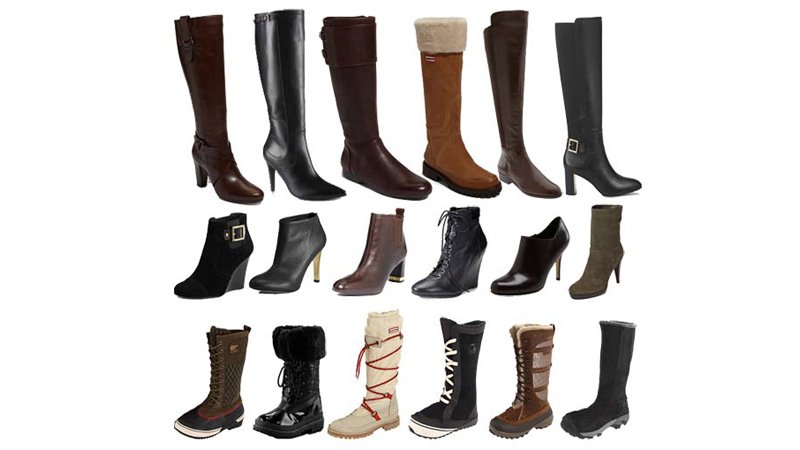
What Goes Into Making a Boot?
A boot is built from multiple components, each serving a specific function. For example, the upper provides structure and protection, while the sole offers grip and shock absorption.
Typically, boots include:
- Upper material
- Inner lining
- Insole or cushioning layer
- Outsole
Therefore, overall comfort and durability depend on how well these components work together.
Common Upper Materials Used in Boots
Leather
Leather is one of the most popular choices for boots. Because it is strong and adapts to foot shape over time, it offers excellent durability and comfort.
Key Benefits:
- Long-lasting
- Breathable with wear
- Provides strong protection
Common Uses:
Work boots, casual boots, formal boots
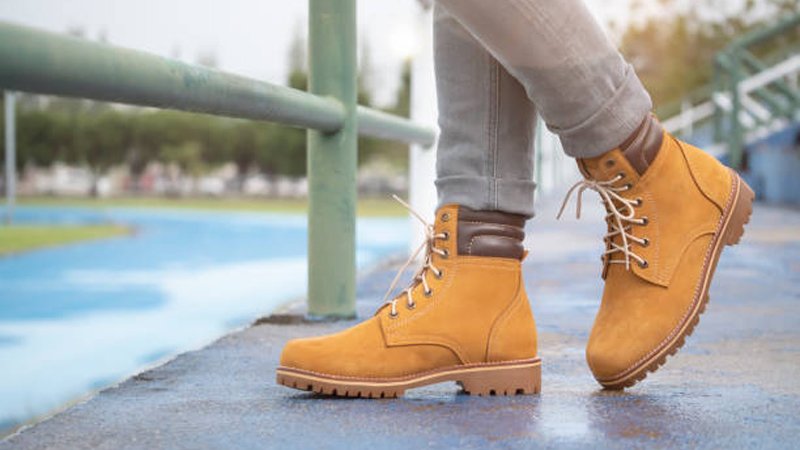
Suede
Suede is a softer form of leather. Although it requires more care, it offers a stylish and comfortable feel.
Key Benefits:
- Soft texture
- Lightweight
- Stylish appearance
Common Uses:
Casual boots, fashion boots
Synthetic Materials
Synthetic materials are engineered alternatives to leather. Because they are lightweight and water-resistant, they are often used in affordable and outdoor boots.
Key Benefits:
- Budget-friendly
- Easy to maintain
- Suitable for wet conditions
Common Uses:
Hiking boots, rain boots, everyday boots
Boot Sole Materials Explained
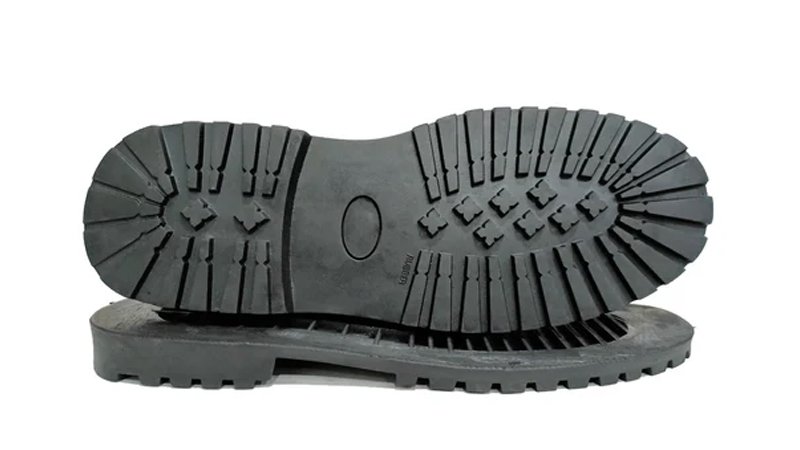
Rubber Soles
Rubber is widely used in boot soles. Because of its grip and flexibility, it improves stability on rough or wet surfaces.
Key Benefits:
- Slip-resistant
- Waterproof
- Durable
PU and EVA Soles
PU and EVA are lightweight materials used for cushioning. As a result, they reduce foot fatigue during long hours of wear.
Key Benefits:
- Shock absorption
- Lightweight
- Comfortable for daily use
Lining and Insulation Materials
Boots often include inner linings for comfort and temperature control. For instance, fleece and wool provide warmth, while mesh linings improve breathability.
Common Options:
- Fleece or wool (cold weather)
- Mesh or fabric (breathable comfort)
- Waterproof membranes for outdoor use
Sustainable Boot Materials (2025 Trend)
Meanwhile, sustainability is becoming a major focus in footwear. Brands now use recycled leather, plant-based alternatives, cork, and recycled rubber.
Not only do these materials reduce environmental impact, but they also offer reliable durability. Therefore, eco-conscious boot material choices are growing in popularity.

How Boot Material Affects Performance
Different boots are designed for different purposes. For example:
- Work boots need strong leather and firm soles
- Hiking boots require waterproof and breathable materials
- Casual boots focus on comfort and style
- Winter boots depend on insulation and lining
Therefore, material choice directly impacts safety, comfort, and longevity.
How to Choose the Right Boot Material
Based on Climate
- Cold weather: Leather with insulation
- Rainy conditions: Synthetic or rubber
- Warm climates: Breathable linings
Based on Usage
- Workwear: Thick leather and rubber soles
- Outdoor use: Waterproof materials
- Casual wear: Suede or lightweight leather
Most importantly, always check flexibility, grip, and comfort before buying.
Common Mistakes When Buying Boots
However, many buyers:
- Choose style over durability
- Ignore sole traction
- Buy low-quality synthetic boots
- Forget climate suitability
As a result, boots wear out faster and feel uncomfortable.
FAQs: Boot Material
Q1: What is the best boot material for daily wear?
Leather with a cushioned sole works well for most people.
Q2: Are synthetic boots durable?
Yes, especially for wet or outdoor conditions.
Q3: Is suede good for boots?
Yes, but it requires proper care and is best for dry weather.
Q4: Are sustainable boots reliable?
Absolutely. Modern eco-materials are designed for long-term use.
Q5: How can I check boot quality?
Check stitching, sole grip, flexibility, and lining comfort.
Conclusion: Comfort and Protection Start With the Right Materials
In conclusion, understanding boot material helps you choose footwear that offers comfort, durability, and protection. Instead of focusing only on appearance, paying attention to materials ensures better performance in everyday and demanding situations.
Ultimately, the right boot material supports your feet, your lifestyle, and your long-term comfort.

Disclaimer:
All trademarks, logos, product names, and brand identifiers mentioned on FashionAudit.com are the property of their respective owners. They are used solely for the purpose of product review, comparison, and consumer information. FashionAudit.com does not claim any ownership of these marks.
No copyright or trademark infringement is intended. If any brand or rights holder believes their intellectual property has been misused, they can contact us directly and we will address the issue promptly.