
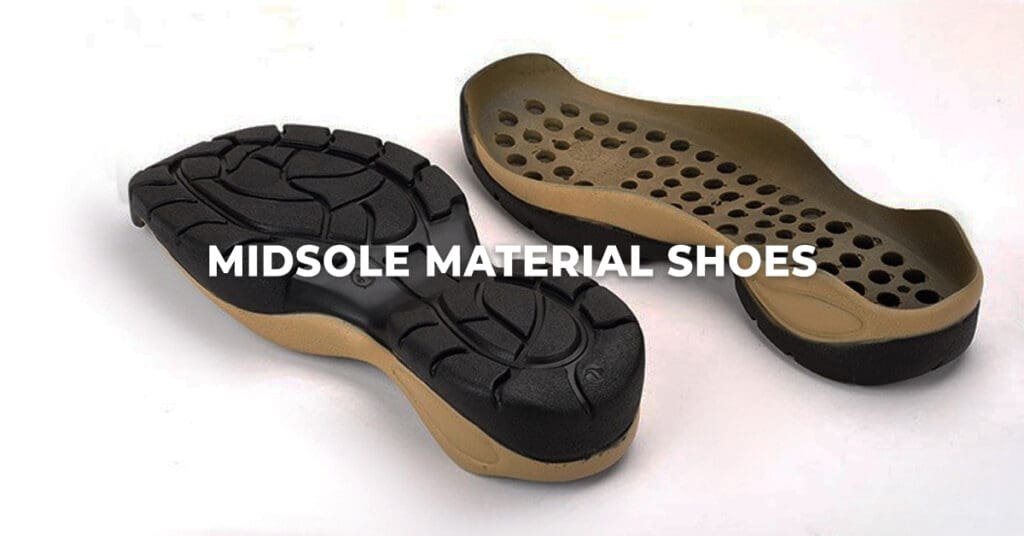
Introduction: Why Midsole Material Shoes Matter More Than You Think
When choosing shoes, most people focus on the upper or outsole. However, the real comfort of footwear comes from the midsole—the layer that absorbs impact and supports your feet with every step. In fact, the wrong midsole can cause fatigue, joint pain, or discomfort during long hours of wear.
Moreover, different shoes use different cushioning technologies depending on purpose. As a result, understanding midsole material shoes helps you make smarter choices, especially when evaluating footwear essentials during a seasonal fashion audit where comfort is just as important as style.
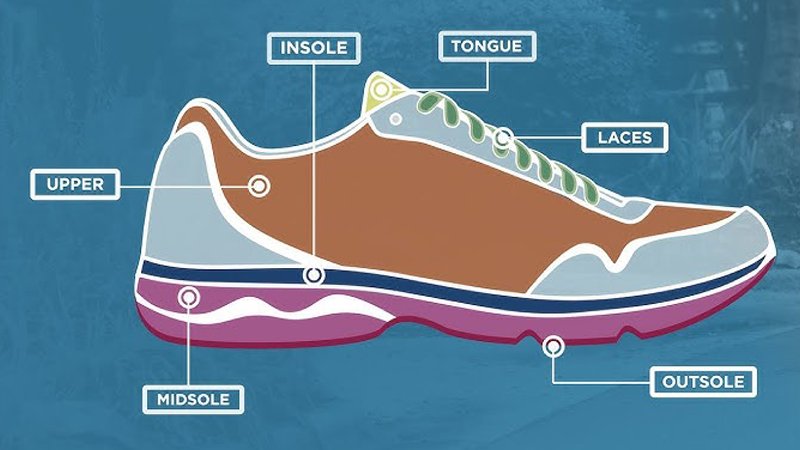
What Is a Midsole in Shoes?
The midsole is the layer located between the upper and the outsole. For example, it absorbs shock when your foot hits the ground and distributes pressure evenly.
Typically, the midsole determines how soft, firm, or responsive a shoe feels. Therefore, midsole material plays a major role in comfort, stability, and foot health.
Common Midsole Materials Used in Shoes
EVA (Ethylene Vinyl Acetate)
EVA is the most common midsole material. Because it is lightweight and flexible, it provides excellent cushioning for everyday footwear.
Key Benefits:
- Lightweight
- Shock-absorbing
- Comfortable for daily use
Common Uses:
Running shoes, walking shoes, casual footwear
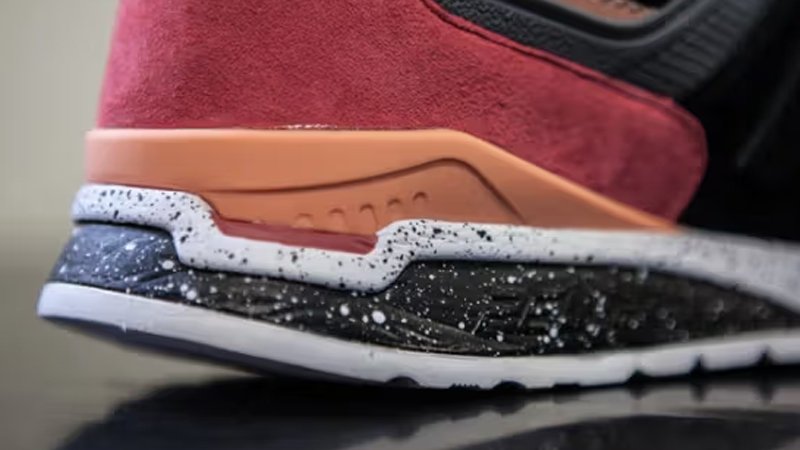
PU (Polyurethane)
PU midsoles are firmer and more durable than EVA. Although slightly heavier, they maintain shape for longer periods.
Key Benefits:
- Long-lasting
- Stable support
- Resistant to compression
Common Uses:
Work shoes, formal shoes, safety footwear
Foam-Based Midsoles
Foam midsoles include memory foam and responsive foams. As a result, they adapt to foot shape and improve comfort.
Key Benefits:
- Soft cushioning
- Pressure relief
- Enhanced comfort
Common Uses:
Lifestyle shoes, comfort footwear
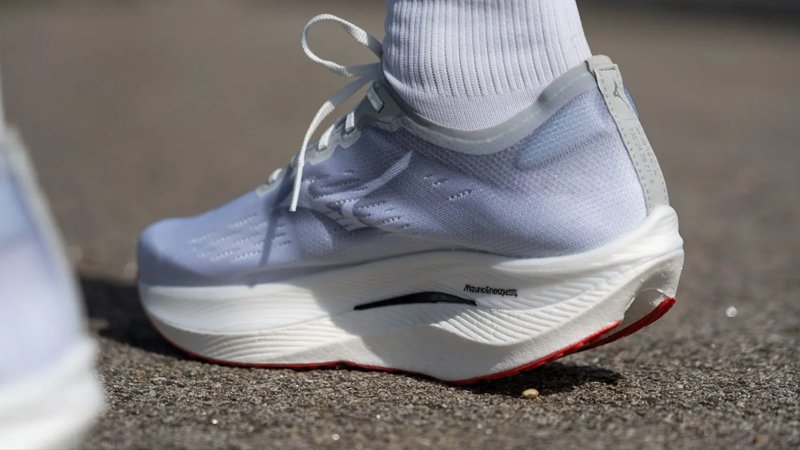
Gel Cushioning
Gel is used in targeted areas of the midsole. Therefore, it absorbs shock during high-impact movement.
Key Benefits:
- Excellent impact absorption
- Reduces joint stress
- Durable cushioning
Common Uses:
Running shoes, sports shoes
Air Cushioning
Air-based midsoles use trapped air units. As a result, they offer responsive cushioning with bounce.
Key Benefits:
- Lightweight feel
- Energy return
- Enhanced comfort
Common Uses:
Performance sneakers, lifestyle shoes
Sustainable Midsole Materials (2025 Trend)
Meanwhile, sustainability is influencing shoe cushioning. Brands now use bio-based EVA, algae foam, recycled foam, and plant-derived compounds.
Not only do these materials reduce environmental impact, but they also maintain comfort and durability. Therefore, eco-conscious midsole material shoes are becoming more popular among buyers who value long-term wear during a thoughtful fashion audit.
How Midsole Material Affects Shoe Performance
Different activities require different cushioning. For instance:
- Running shoes need shock absorption and responsiveness
- Work shoes require stable and firm support
- Casual shoes focus on soft comfort
- Sports shoes balance cushioning and energy return
Therefore, selecting the right midsole material directly affects comfort, endurance, and movement efficiency.
How to Choose the Right Midsole Material Shoes
Based on Usage
- Daily wear: EVA or foam
- Sports: Gel or air cushioning
- Workwear: PU midsoles
- Long walks: Responsive foam
Based on Comfort Preference
- Soft feel: Foam or EVA
- Firm support: PU
- Bouncy feel: Air cushioning
Most importantly, always test cushioning and flexibility before purchasing.
Common Mistakes When Choosing Midsole Materials
However, many buyers:
- Choose overly soft cushioning for long standing
- Ignore midsole durability
- Buy sports cushioning for casual use
- Focus only on brand, not comfort
As a result, shoes may feel uncomfortable or wear out quickly.
FAQs: Midsole Material Shoes
Q1: Which midsole material is best for daily use?
EVA and foam midsoles work best for everyday comfort.
Q2: Are PU midsoles good for long wear?
Yes, they offer durable and stable support.
Q3: Is gel better than foam?
Gel is better for impact absorption, while foam offers overall comfort.
Q4: Are sustainable midsoles durable?
Yes. Modern eco materials match traditional durability.
Q5: How can I check midsole quality?
Press the midsole—good material regains shape quickly.
Conclusion: Comfort Starts With the Right Midsole Material
In conclusion, understanding midsole material shoes helps you choose footwear that provides proper cushioning, support, and comfort. Instead of focusing only on appearance, paying attention to the midsole ensures better performance and foot health.
Ultimately, the right midsole material supports every step—whether you walk, run, or stand all day.
Disclaimer:
All trademarks, logos, product names, and brand identifiers mentioned on FashionAudit.com are the property of their respective owners. They are used solely for the purpose of product review, comparison, and consumer information. FashionAudit.com does not claim any ownership of these marks.
No copyright or trademark infringement is intended. If any brand or rights holder believes their intellectual property has been misused, they can contact us directly and we will address the issue promptly.