
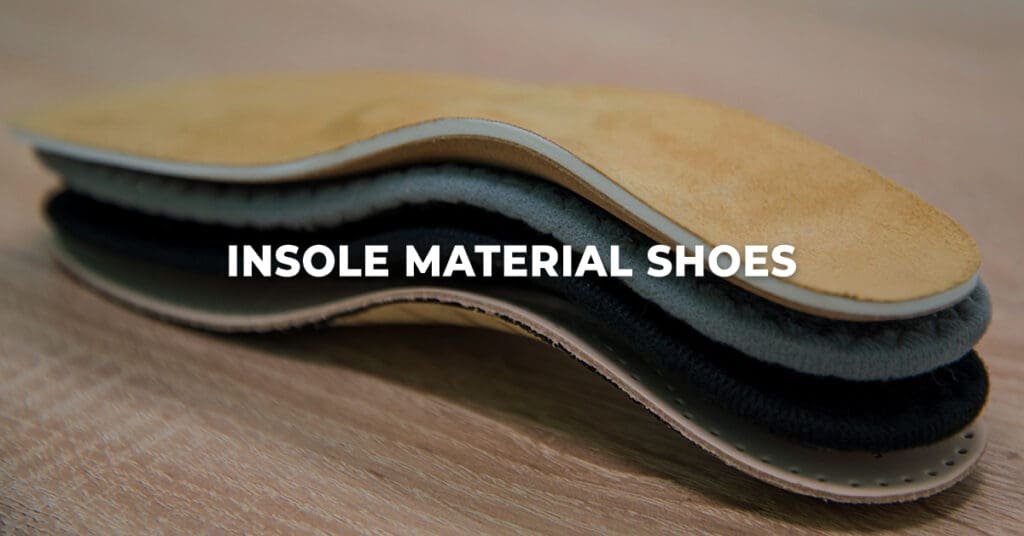
Introduction: Why Insole Material Shoes Matter More Than You Think
When choosing shoes, many people focus on style, brand, or outsole grip. However, true comfort starts from the inside. The insole is the part of the shoe that directly touches your foot, making it essential for cushioning, support, and posture.
Moreover, the wrong insole can lead to foot pain, fatigue, or poor alignment. As a result, understanding insole material shoes helps you make smarter footwear choices—especially when reviewing everyday essentials during a practical fashion audit where comfort plays a key role.
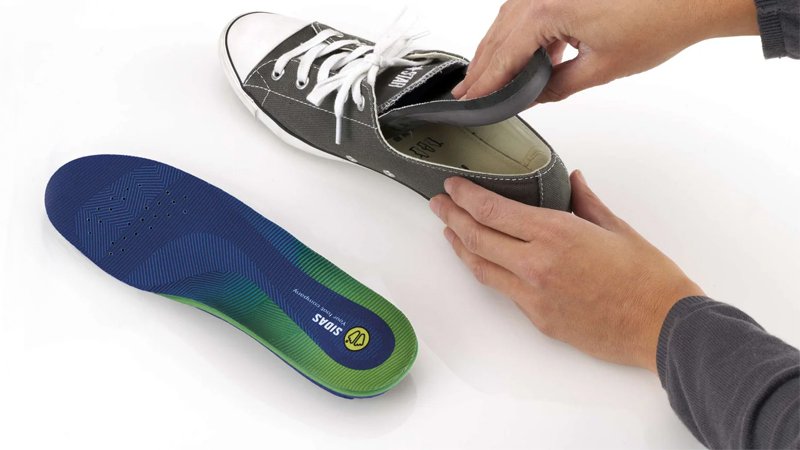
What Is an Insole in Shoes?
An insole is the inner layer placed inside the shoe, directly under the foot. For example, it cushions impact, supports arches, and improves overall comfort.
Typically, insoles work alongside the midsole to distribute pressure evenly. Therefore, the material used in insoles plays a major role in foot health and long-term comfort.
Common Insole Materials Used in Shoes
EVA Insoles
EVA is one of the most common insole materials. Because it is lightweight and flexible, it offers reliable cushioning for daily wear.
Key Benefits:
- Lightweight
- Shock-absorbing
- Comfortable for everyday use
Common Uses:
Casual shoes, walking shoes, sneakers
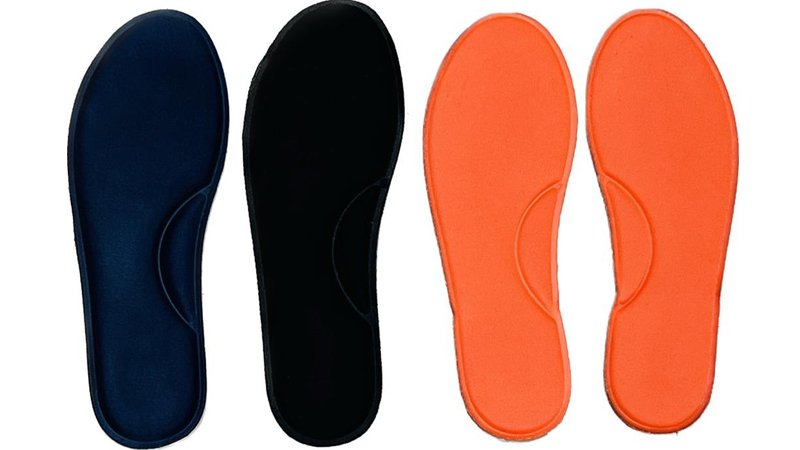
Memory Foam Insoles
Memory foam adapts to foot shape. As a result, it provides personalized comfort and pressure relief.
Key Benefits:
- Soft cushioning
- Reduces pressure points
- Ideal for long standing
Common Uses:
Lifestyle shoes, comfort footwear
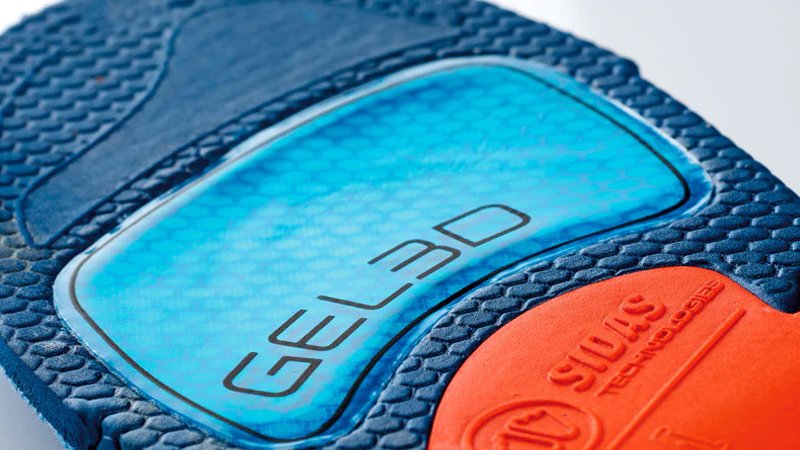
Gel Insoles
Gel insoles are designed for impact absorption. Therefore, they work well in shoes used for walking or running.
Key Benefits:
- Excellent shock absorption
- Reduces heel and joint stress
- Durable cushioning
Common Uses:
Running shoes, sports footwear
Cork Insoles
Cork naturally molds to foot shape over time. As a result, it provides natural arch support.
Key Benefits:
- Breathable
- Supportive
- Eco-friendly
Common Uses:
Casual shoes, sandals, orthopedic footwear
Leather Insoles
Leather insoles offer a premium feel. Although they are firmer, they are breathable and durable.
Key Benefits:
- Long-lasting
- Breathable
- Comfortable in warm weather
Common Uses:
Formal shoes, dress footwear
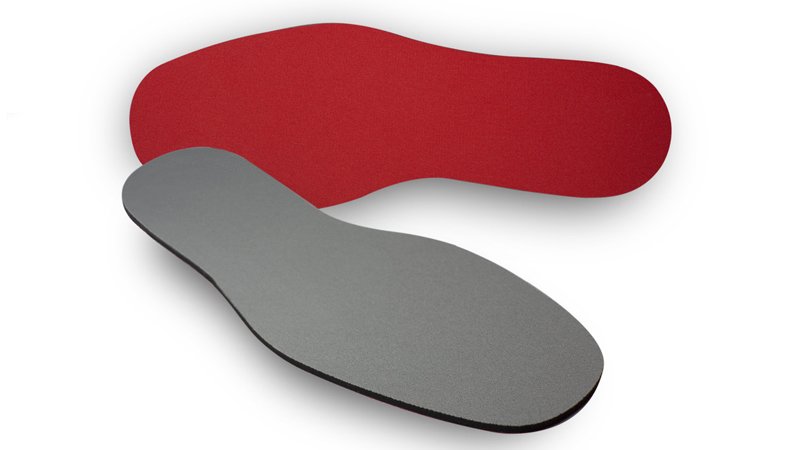
Sustainable Insole Materials (2025 Trend)
Meanwhile, sustainability is influencing insole design. Brands now use recycled foam, natural cork, plant-based EVA, and biodegradable materials.
Not only do these options reduce environmental impact, but they also maintain comfort and durability. Therefore, sustainable insole material shoes are becoming more popular among consumers who value responsible choices during a seasonal fashion audit.
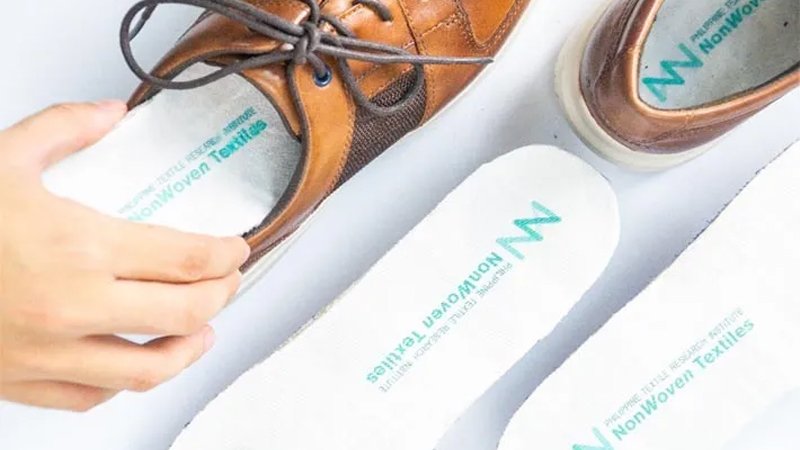
How Insole Material Affects Comfort & Foot Health
Different insole materials suit different needs. For instance:
- Soft insoles reduce pressure for long standing
- Supportive insoles improve posture
- Breathable insoles keep feet cool
- Shock-absorbing insoles protect joints
Therefore, choosing the right insole material directly impacts comfort, balance, and foot health.
How to Choose the Right Insole Material Shoes
Based on Usage
- Daily wear: EVA or memory foam
- Sports: Gel or performance foam
- Office wear: Leather or supportive foam
- Long walking: Cork or cushioned foam
Based on Comfort Preference
- Soft feel: Memory foam
- Firm support: Cork or leather
- Balanced comfort: EVA
Most importantly, always test comfort and arch support before buying.
Common Mistakes When Choosing Insoles
However, many buyers:
- Choose overly soft insoles without support
- Ignore arch alignment
- Buy fixed insoles that cannot be replaced
- Focus only on cushioning
As a result, shoes may feel uncomfortable over time.
FAQs: Insole Material Shoes
Q1: Which insole material is best for daily use?
EVA or memory foam works best for everyday comfort.
Q2: Are gel insoles good for long walks?
Yes, they absorb impact effectively.
Q3: Is cork better than foam?
Cork offers better support, while foam offers softness.
Q4: Are sustainable insoles durable?
Yes. Modern eco materials match traditional durability.
Q5: Can insoles be replaced?
Yes, many shoes allow removable and replaceable insoles.
Conclusion: Comfort Begins From the Inside
In conclusion, understanding insole material shoes helps you choose footwear that supports comfort, posture, and foot health. Instead of focusing only on outer design, paying attention to the insole ensures better daily comfort and long-term use.
Ultimately, the right insole material supports every step—making your shoes feel better from the inside out.

Disclaimer:
All trademarks, logos, product names, and brand identifiers mentioned on FashionAudit.com are the property of their respective owners. They are used solely for the purpose of product review, comparison, and consumer information. FashionAudit.com does not claim any ownership of these marks.
No copyright or trademark infringement is intended. If any brand or rights holder believes their intellectual property has been misused, they can contact us directly and we will address the issue promptly.