
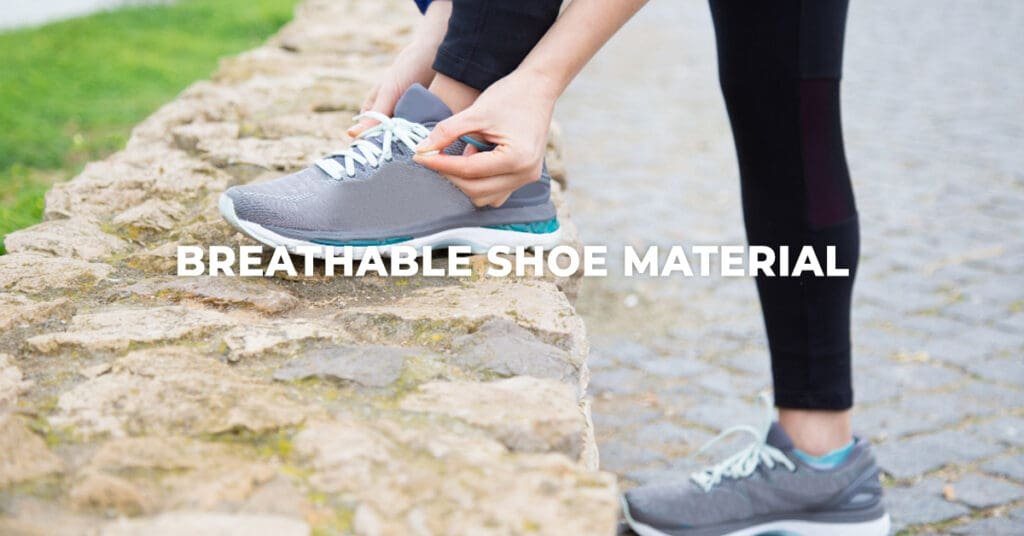
Introduction: Why Breathable Shoe Material Matters
Shoes that don’t allow airflow can quickly become uncomfortable. However, when footwear is made with breathable materials, it helps keep feet cool, dry, and healthy. In fact, lack of breathability is one of the most common causes of sweating, odor, and irritation.
Moreover, breathable shoe material is essential for daily wear, walking, and active lifestyles. As a result, understanding how breathable materials work helps you choose shoes that feel better throughout the day—especially when evaluating comfort essentials during a seasonal fashion audit.
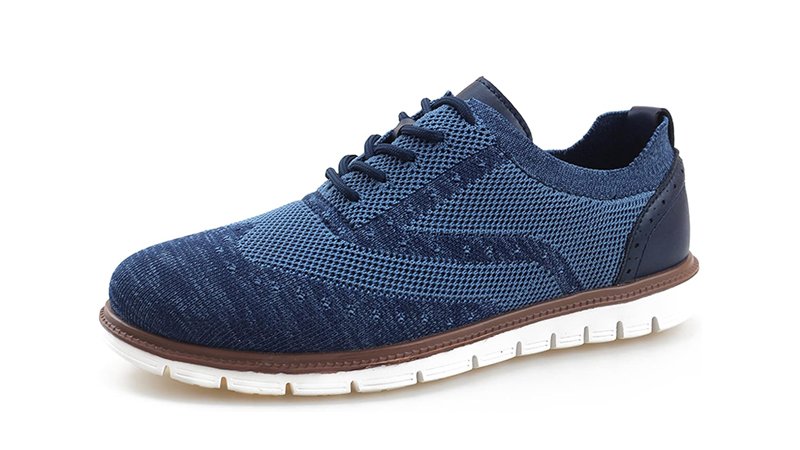
What Makes a Shoe Material Breathable?
Breathability refers to a material’s ability to allow air circulation and release heat and moisture. For example, porous fabrics let air move in and out, keeping feet cooler.
Key factors that improve breathability include:
- Open or woven structure
- Lightweight construction
- Moisture-wicking properties
- Natural fibers or engineered airflow zones
Therefore, the best breathable shoe material balances airflow with durability.
Best Breathable Shoe Materials Explained
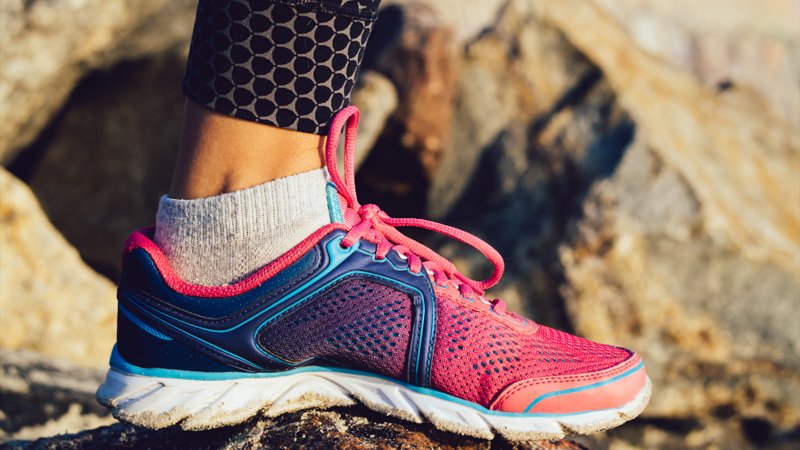
Mesh Material
Mesh is one of the most breathable shoe materials available. Because it allows maximum airflow, it keeps feet cool even during long wear.
Why Mesh Works Well:
- Excellent ventilation
- Lightweight
- Quick-drying
Best For:
Running shoes, walking shoes, gym footwear
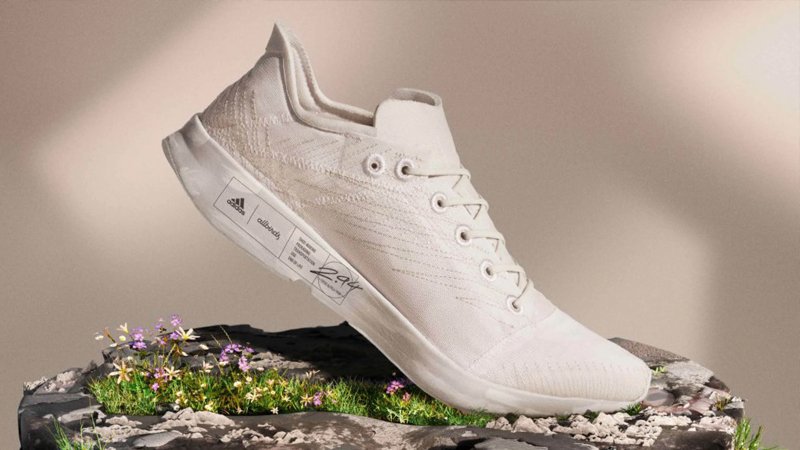
Knit & Flyknit Materials
Knit materials offer breathability along with flexibility. As a result, they provide a sock-like fit while allowing air circulation.
Why Knit Works Well:
- Stretchable and breathable
- Lightweight
- Comfortable for long hours
Best For:
Lifestyle sneakers, travel shoes, casual wear
Canvas Material
Canvas is a fabric-based material made from cotton or linen. Therefore, it allows natural airflow and feels light on the feet.
Why Canvas Works Well:
- Breathable natural fibers
- Comfortable in warm weather
- Affordable
Best For:
Casual shoes, summer footwear, everyday sneakers

Leather (High-Quality & Perforated)
Leather may not seem breathable at first. However, high-quality or perforated leather allows air exchange over time.
Why Leather Can Be Breathable:
- Natural material
- Adapts to foot shape
- Durable and comfortable
Best For:
Office shoes, casual footwear, premium sneakers
Moisture-Wicking Synthetic Materials
Modern synthetic materials are engineered to improve airflow. As a result, they pull moisture away from the foot and dry quickly.
Why Synthetics Work Well:
- Lightweight
- Moisture control
- Easy maintenance
Best For:
Sports shoes, daily wear footwear
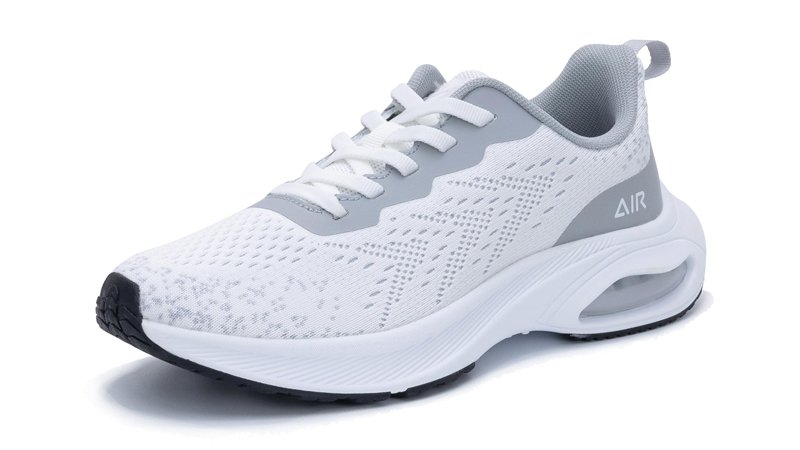
Breathable Shoe Linings & Inner Materials
Breathability also depends on inner linings. For instance:
- Mesh linings improve airflow
- Fabric linings absorb moisture
- Moisture-wicking linings reduce odor
Therefore, both upper material and lining must work together.
Sustainable Breathable Shoe Materials (2025 Trend)
Meanwhile, sustainability is shaping breathable footwear. Brands now use recycled mesh, organic cotton, bamboo fibers, and plant-based fabrics.
Not only do these materials reduce environmental impact, but they also maintain excellent airflow. Therefore, eco-friendly breathable shoe material is becoming popular among buyers who prioritize comfort during a thoughtful fashion audit.
How Breathable Shoe Material Improves Foot Health
Breathable materials offer several health benefits:
- Reduce sweating and odor
- Prevent fungal infections
- Improve comfort during long wear
- Maintain foot hygiene
As a result, breathable shoe material is ideal for daily use and warm climates.
How to Choose the Right Breathable Shoe Material
Based on Usage
- Daily wear: Mesh or knit
- Sports & walking: Mesh with moisture-wicking lining
- Casual wear: Canvas or knit
- Office wear: Perforated leather
Based on Climate
- Hot weather: Mesh, canvas, knit
- Humid areas: Moisture-wicking synthetics
- Mild climates: Leather or fabric blends
Most importantly, always check airflow and inner comfort before buying.
Common Mistakes That Reduce Breathability
However, many buyers:
- Choose thick synthetic uppers
- Ignore inner lining material
- Wear non-breathable shoes all day
- Forget climate suitability
As a result, feet feel hot and uncomfortable.
FAQs: Breathable Shoe Material
Q1: What is the most breathable shoe material?
Mesh is the most breathable material for shoes.
Q2: Are leather shoes breathable?
Yes, high-quality and perforated leather allows airflow over time.
Q3: Is canvas better than synthetic for breathability?
Canvas is naturally breathable, while synthetics rely on engineered airflow.
Q4: Are breathable shoes good for daily wear?
Yes, they reduce sweating and improve comfort.
Q5: Which material is best for hot weather?
Mesh, canvas, and knit materials work best.
Conclusion: Comfort Starts With Breathable Materials
In conclusion, choosing the right breathable shoe material helps keep feet cool, dry, and comfortable throughout the day. Instead of focusing only on design, understanding airflow and material quality ensures better foot health and long-term comfort.
Ultimately, whether you’re updating your collection or reviewing essentials during a simple fashion audit, breathable materials make every step lighter and more comfortable.
Disclaimer:
All trademarks, logos, product names, and brand identifiers mentioned on FashionAudit.com are the property of their respective owners. They are used solely for the purpose of product review, comparison, and consumer information. FashionAudit.com does not claim any ownership of these marks.
No copyright or trademark infringement is intended. If any brand or rights holder believes their intellectual property has been misused, they can contact us directly and we will address the issue promptly.