
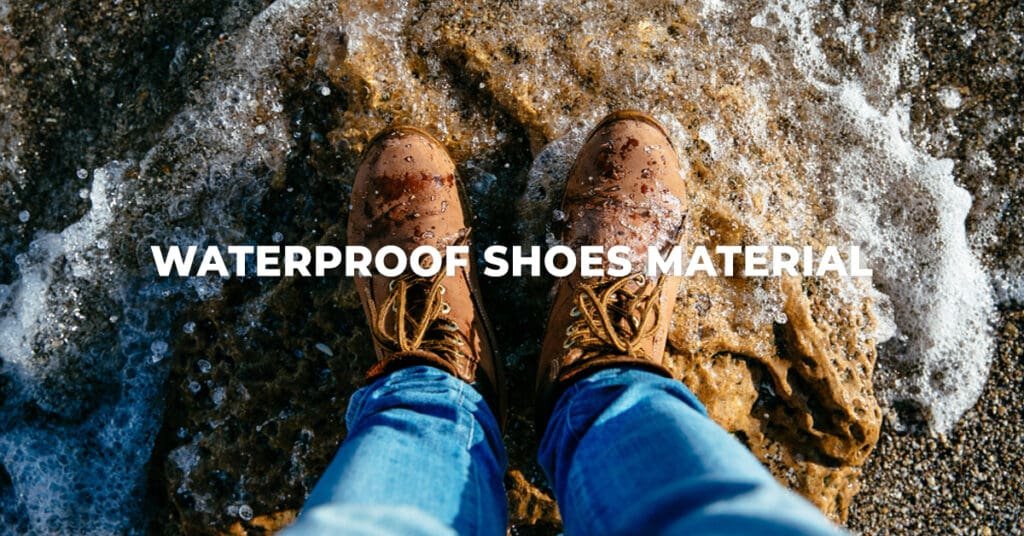
Introduction: Why Waterproof Shoe Material Matters
Wet shoes are more than just uncomfortable—they can cause blisters, odor, and long-term damage to footwear. However, shoes made with waterproof materials protect your feet from rain, puddles, and damp conditions.
Moreover, waterproof shoe material is no longer limited to bulky rain boots. Today, everyday shoes, sneakers, and work footwear use advanced waterproof technologies. As a result, understanding these materials helps you choose practical footwear—especially when reviewing essentials during a seasonal fashion audit where function matters as much as style.

What Makes a Shoe Material Waterproof?
A shoe material is considered waterproof when it prevents water from penetrating while still maintaining comfort.
Key features include:
- Non-porous or sealed surfaces
- Waterproof membranes
- Sealed seams and stitching
- Water-repellent coatings
Therefore, true waterproof shoe material combines construction techniques with the right fabric or compound.
Best Waterproof Shoe Materials Explained
Rubber
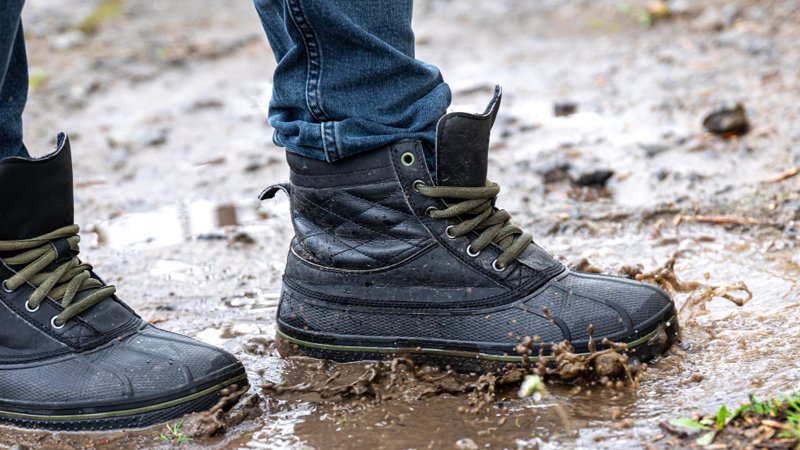
Rubber is one of the most effective waterproof materials. Because it is naturally water-resistant, it blocks moisture completely.
Why Rubber Works Well:
- 100% waterproof
- Durable and flexible
- Easy to clean
Best For:
Rain shoes, boots, outdoor footwear
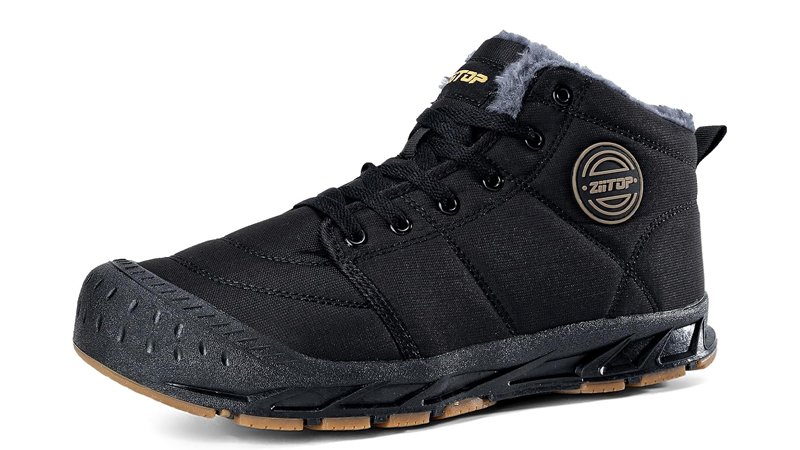
Gore-Tex & Waterproof Membranes
Gore-Tex is a breathable waterproof membrane used inside shoes. As a result, it keeps water out while allowing sweat to escape.
Why Membranes Work Well:
- Waterproof yet breathable
- Lightweight
- Comfortable for long wear
Best For:
Hiking shoes, sports shoes, travel footwear
Treated Leather
Leather can be waterproof when treated with coatings or wax. Although natural leather absorbs water, treated leather repels moisture effectively.
Why Treated Leather Works Well:
- Durable and stylish
- Water-resistant surface
- Long-lasting with care
Best For:
Work shoes, boots, casual waterproof footwear
Synthetic Waterproof Materials
Modern synthetic materials are engineered to resist water. Therefore, they are commonly used in lightweight waterproof shoes.
Why Synthetics Work Well:
- Lightweight
- Water-resistant
- Low maintenance
Best For:
Daily shoes, travel footwear, budget waterproof options
TPU & Coated Fabrics
TPU (Thermoplastic Polyurethane) coatings create waterproof barriers. As a result, they add durability without extra weight.
Why TPU Works Well:
- Strong water resistance
- Flexible
- Long-lasting
Best For:
Outdoor shoes, performance footwear
Waterproof vs Water-Resistant: Know the Difference
Many shoes are labeled “water-resistant.” However, that is not the same as waterproof.
- Waterproof: Blocks water completely
- Water-resistant: Handles light moisture only
Therefore, always check material details and construction before buying.
Sustainable Waterproof Shoe Materials (2025 Trend)
Meanwhile, sustainability is influencing waterproof footwear. Brands now use recycled rubber, eco-membranes, and plant-based coatings.
Not only do these materials reduce environmental impact, but they also maintain protection and durability. Therefore, eco-friendly waterproof shoe material is gaining popularity among buyers who value performance during a thoughtful fashion audit.
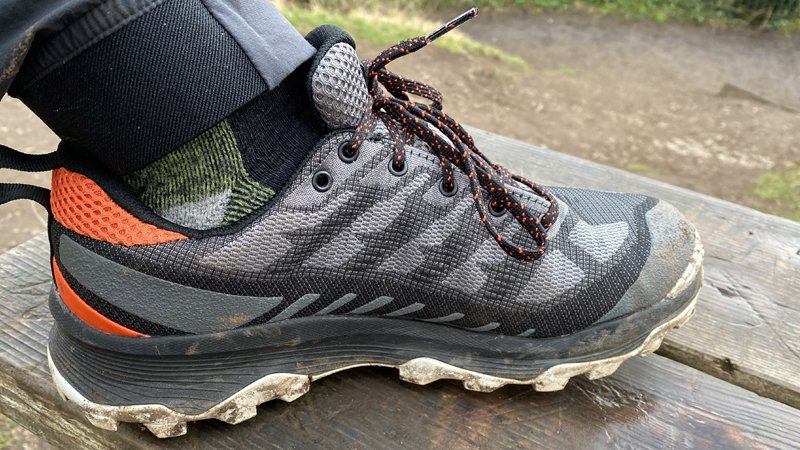
How Waterproof Shoe Material Affects Comfort
Good waterproof shoes balance protection and comfort:
- Breathable membranes reduce sweat
- Flexible materials prevent stiffness
- Proper lining avoids overheating
As a result, modern waterproof shoe material supports all-day wear.
How to Choose the Right Waterproof Shoe Material
Based on Usage
- Rain & monsoon: Rubber or coated synthetics
- Hiking & travel: Gore-Tex or waterproof membranes
- Workwear: Treated leather
- Daily wear: Lightweight synthetics
Based on Climate
- Wet & humid: Breathable membranes
- Cold & wet: Insulated waterproof leather
- Mild rain: Water-resistant synthetics
Most importantly, always check seam sealing and lining quality.
Common Mistakes When Buying Waterproof Shoes
However, many buyers:
- Confuse water-resistant with waterproof
- Ignore breathability
- Choose heavy materials for daily wear
- Skip maintenance
As a result, shoes may feel uncomfortable or fail in wet conditions.
FAQs: Waterproof Shoe Material
Q1: What is the best waterproof shoe material?
Rubber and Gore-Tex membranes offer the best protection.
Q2: Are waterproof shoes breathable?
Yes, modern membranes allow airflow while blocking water.
Q3: Is leather waterproof?
Only when treated or coated properly.
Q4: Are synthetic waterproof shoes durable?
Yes, high-quality synthetics are long-lasting.
Q5: Can waterproof shoes be worn daily?
Yes, if they are lightweight and breathable.
Conclusion: Stay Dry With the Right Materials
In conclusion, choosing the right waterproof shoe material keeps your feet dry, comfortable, and protected in wet conditions. Instead of relying on appearance alone, understanding materials ensures better performance and durability.
Ultimately, whether you’re preparing for rain, travel, or daily use—or reviewing footwear during a simple fashion audit—waterproof materials help you step out with confidence.
Disclaimer:
All trademarks, logos, product names, and brand identifiers mentioned on FashionAudit.com are the property of their respective owners. They are used solely for the purpose of product review, comparison, and consumer information. FashionAudit.com does not claim any ownership of these marks.
No copyright or trademark infringement is intended. If any brand or rights holder believes their intellectual property has been misused, they can contact us directly and we will address the issue promptly.