
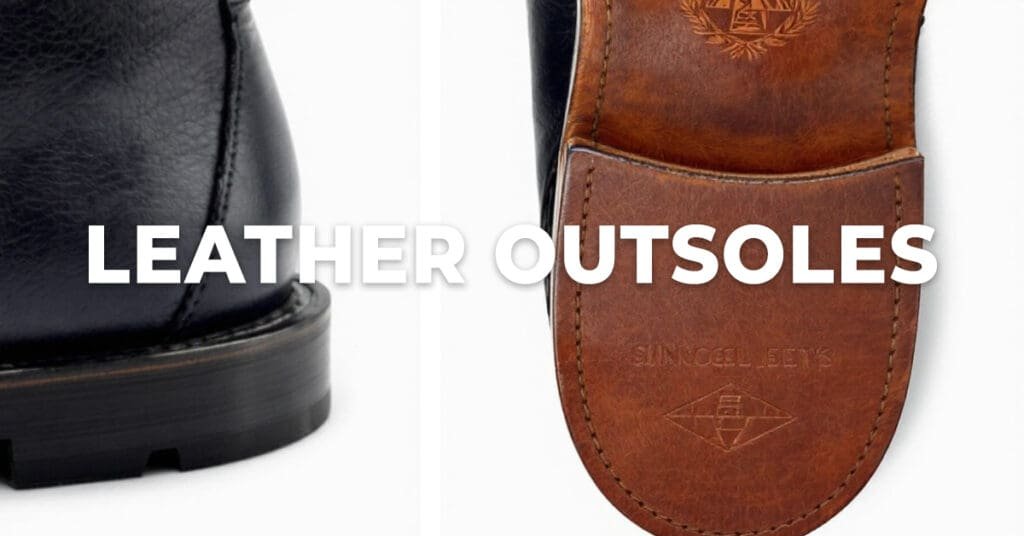
Introduction: Why the Outsole Material Matters More Than You Think
When choosing shoes, most people focus on the upper design. However, the outsole plays a crucial role in comfort, durability, and walking experience. A leather outsole has long been associated with craftsmanship, elegance, and premium footwear.
Moreover, understanding outsole materials helps you make smarter buying decisions—especially when evaluating long-term quality during a thoughtful fashion audit.
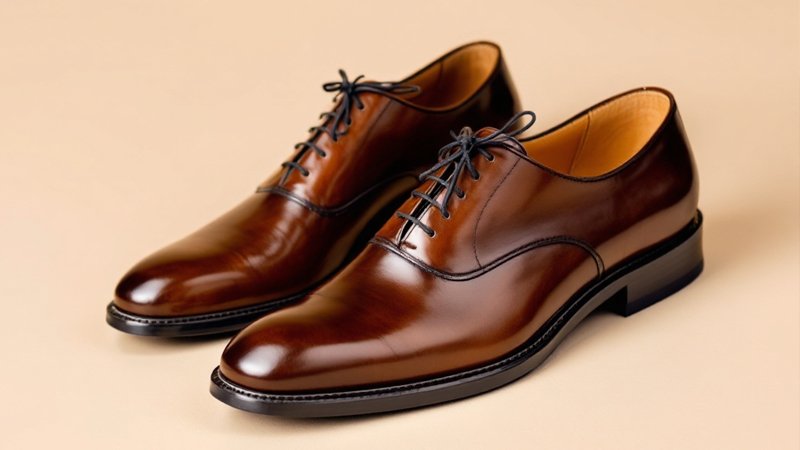
What Is a Leather Outsole?
A leather outsole is the bottom sole of a shoe made from treated leather, usually vegetable-tanned cowhide. Unlike rubber or synthetic soles, leather soles are breathable and flexible.
Because leather is a natural material, it adapts gradually to your walking pattern. As a result, it offers a refined feel underfoot.
How Leather Outsoles Are Made
The manufacturing process typically involves:
- Selecting thick, durable leather hides
- Vegetable tanning for strength and flexibility
- Cutting and shaping the sole
- Stitching or cementing it to the shoe
As a result, the outsole remains strong while retaining natural movement.
Key Benefits of a Leather Shoe Sole
Natural Breathability
Leather allows air circulation. Therefore, moisture buildup is reduced inside the shoe.
Elegant Appearance
A leather bottom sole adds a refined, classic look—especially to formal footwear.
Comfortable Flexibility
Over time, the sole molds slightly to your foot, improving comfort.
Quiet, Smooth Walking
Leather produces less noise on smooth surfaces compared to hard synthetic soles.
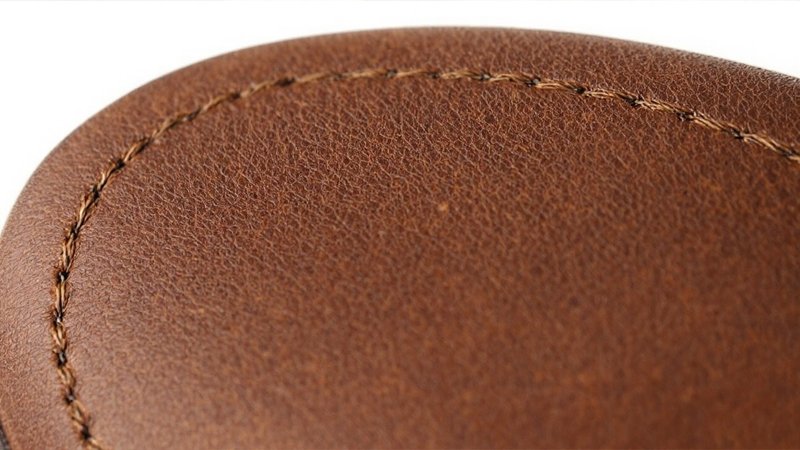
Leather Outsole vs Rubber Outsole
| Feature | Leather Outsole | Rubber Outsole |
|---|---|---|
| Breathability | High | Low |
| Flexibility | Natural | Moderate |
| Grip | Moderate | High |
| Durability | Medium–High | High |
| Best for | Formal wear | Casual & outdoor |
As a result, leather soles are best suited for style-focused environments.
Where Leather Outsoles Are Commonly Used
Leather soles are most often found in:
- Formal dress shoes
- Oxfords and Derbies
- Loafers
- Premium boots
- Handmade or Goodyear-welted shoes
Therefore, they are closely linked to traditional shoemaking.
How Leather Outsoles Perform Over Time
Leather outsoles age gracefully. Instead of deteriorating quickly, they wear evenly.
Over time:
- The sole softens slightly
- Grip improves with use
- Thickness reduces gradually
As a result, they can often be resoled, extending shoe life.
How to Care for Shoes With Leather Outsoles
Proper care improves lifespan. For example:
- Avoid walking in heavy rain
- Use sole protectors if needed
- Allow shoes to dry naturally
- Rotate shoes regularly
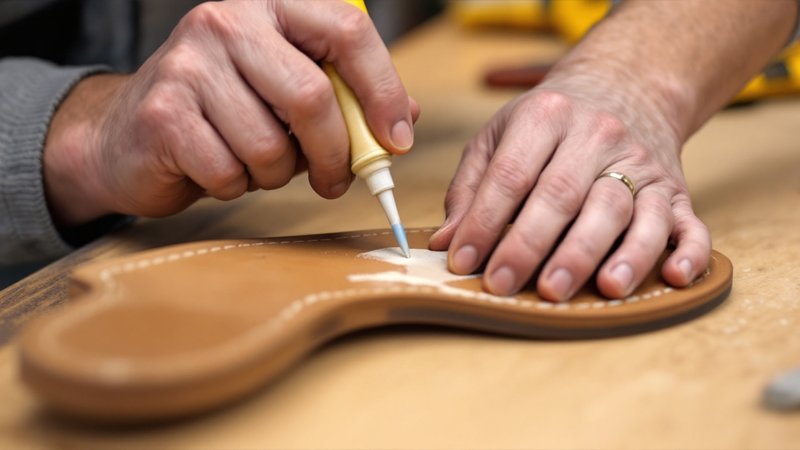
Are Leather Outsoles Durable Enough?
Yes—for the right use. Because leather is organic, it performs best on dry, indoor, or urban surfaces.
Ideal for:
- Office wear
- Formal occasions
- City walking
- Controlled environments
However, they are not ideal for wet or rough terrain.
Sustainability Perspective
Leather outsoles are biodegradable and long-lasting when maintained. Because they can be repaired and resoled, replacement frequency is reduced.
For this reason, leather-soled footwear often scores well during a responsible fashion audit focused on longevity and craftsmanship.
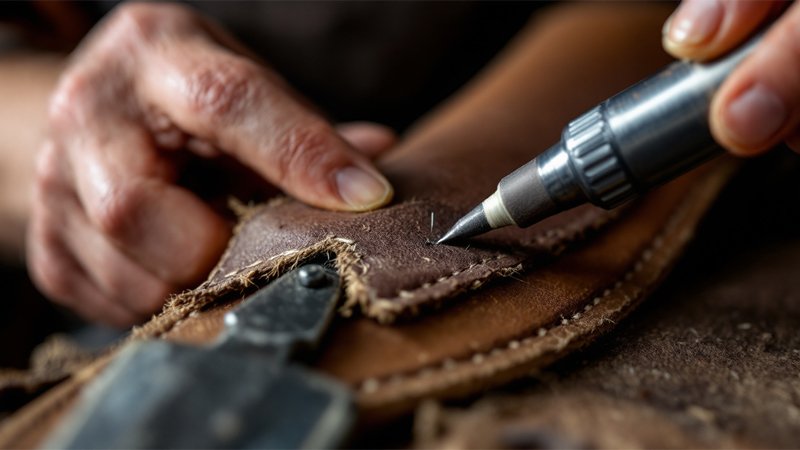
Common Mistakes to Avoid
However, many buyers:
- Wear leather soles in heavy rain
- Skip sole protection
- Ignore early wear signs
- Never rotate shoes
Avoiding these mistakes significantly extends outsole life.
FAQs
Q1: Are leather outsoles slippery?
Initially yes, but grip improves with wear.
Q2: Can leather soles be repaired?
Yes, they can be resoled by a cobbler.
Q3: Are leather soles waterproof?
No, they are water-sensitive.
Q4: Are leather outsoles comfortable?
Yes, they adapt naturally to foot movement.
Q5: Are they good for daily wear?
Yes, in dry and formal environments.
Conclusion: Timeless Craftsmanship Under Your Feet
In conclusion, a leather outsole represents tradition, elegance, and refined comfort. While it requires mindful use and care, the benefits in breathability, appearance, and repairability make it a premium choice.
Ultimately, whether you’re investing in classic dress shoes or reviewing construction quality during a thoughtful fashion audit, choosing leather soles ensures timeless performance and long-term value.