
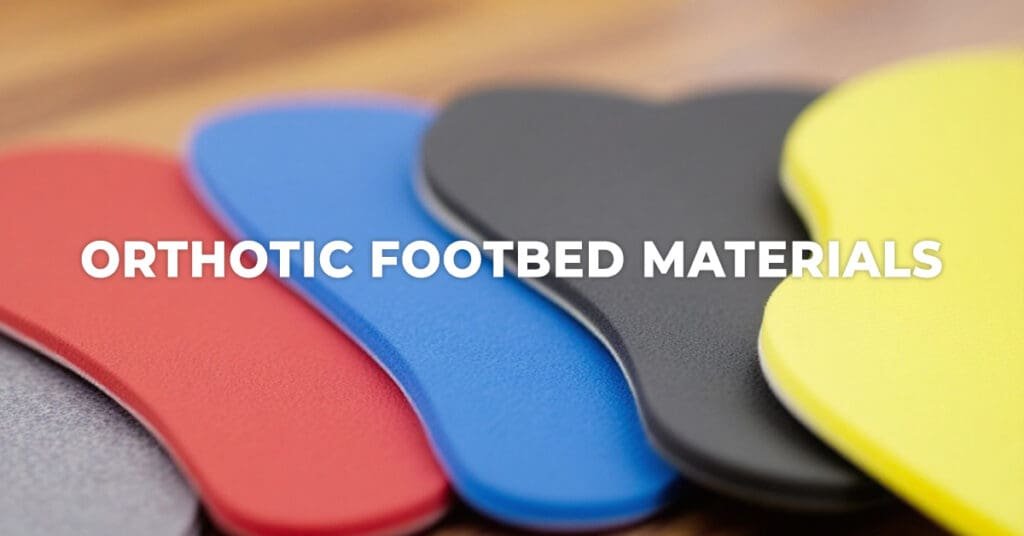
Introduction: Why Footbed Materials Matter in Orthotic Design
Foot comfort is not just about softness. However, many standard insoles fail to provide proper alignment and long-term support. Orthotic footbeds are designed differently, using specialized materials that promote stability, correct posture, and reduce strain.
Moreover, people increasingly seek footwear that supports foot health rather than short-term comfort alone. As a result, orthotic-grade materials play a critical role—especially when performance, posture, and comfort are evaluated during a detailed fashion audit.
What Is an Orthotic Footbed?
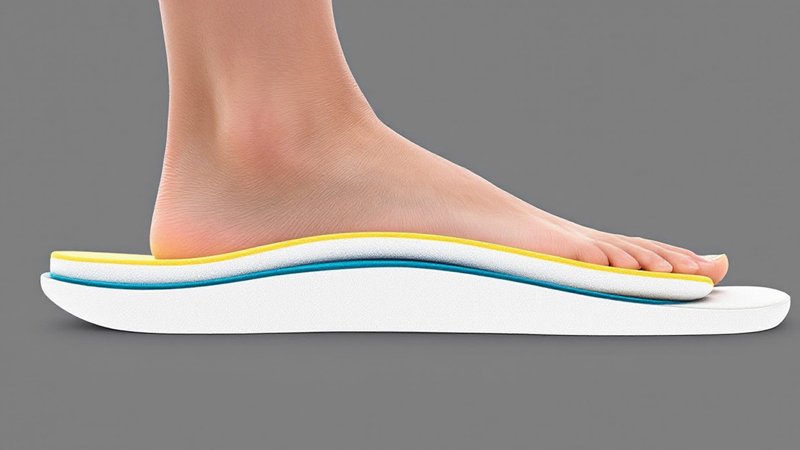
An orthotic footbed is a structured insole designed to support natural foot alignment. Unlike soft cushioning, it focuses on stability, control, and pressure distribution.
Key goals include:
- Supporting the arch
- Controlling foot motion
- Reducing pressure points
- Improving posture and balance
The effectiveness depends heavily on the materials used.
Common Materials Used in Orthotic Footbeds
Different materials serve different purposes. Therefore, many orthotic footbeds combine multiple layers.
EVA (Ethylene Vinyl Acetate)
EVA provides lightweight cushioning with controlled firmness. It absorbs shock while maintaining shape.
Polyurethane (PU)
PU offers durability and consistent support. It resists compression better than softer foams.
Cork and Cork-Latex Blends
Cork-based materials provide firm structure and mold gradually to the foot.
Thermoplastic Materials (TPU or Plastic Shells)
Rigid shells control motion and stabilize the heel and arch.
How Orthotic Footbed Materials Work Together
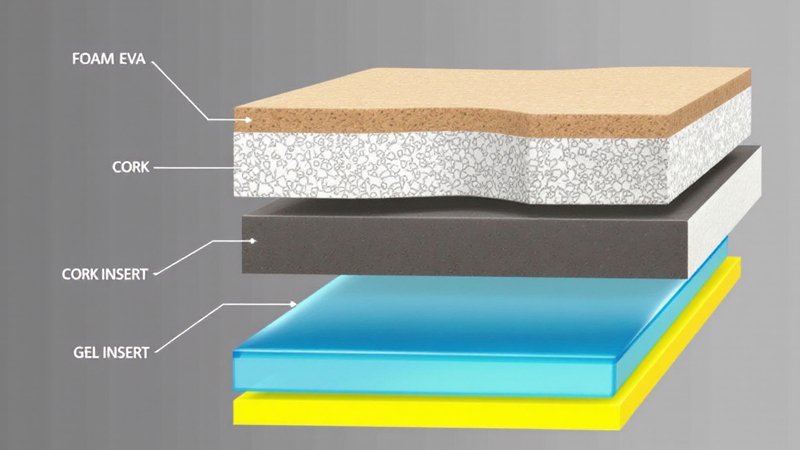
Orthotic footbeds often use a layered construction:
- A rigid base for alignment
- A supportive core for stability
- A top cover for comfort
As a result, the footbed balances correction with wearability.
Orthotic Materials vs Regular Insole Materials
| Feature | Orthotic Materials | Regular Insoles |
|---|---|---|
| Support | High | Low to moderate |
| Structure | Firm & stable | Soft |
| Durability | Long-lasting | Short-term |
| Alignment control | Yes | Minimal |
| Best use | Foot health & posture | Casual comfort |
Therefore, orthotic-grade materials are better for long-term support.
Who Benefits from Orthotic Footbed Materials?
These materials are commonly used by:
- People with flat feet or high arches
- Individuals with plantar discomfort
- Workers who stand for long hours
- Walkers and active users
- Anyone needing structured support
As a result, orthotic footbeds suit both medical and lifestyle needs.
Comfort vs Correction: Finding the Right Balance
Orthotic materials feel firmer than plush foams. However, they prevent excessive foot movement.
Initially:
- Firmness feels noticeable
- Support feels structured
Over time:
- Comfort improves
- Foot fatigue reduces
- Stability becomes natural
Durability and Long-Term Performance
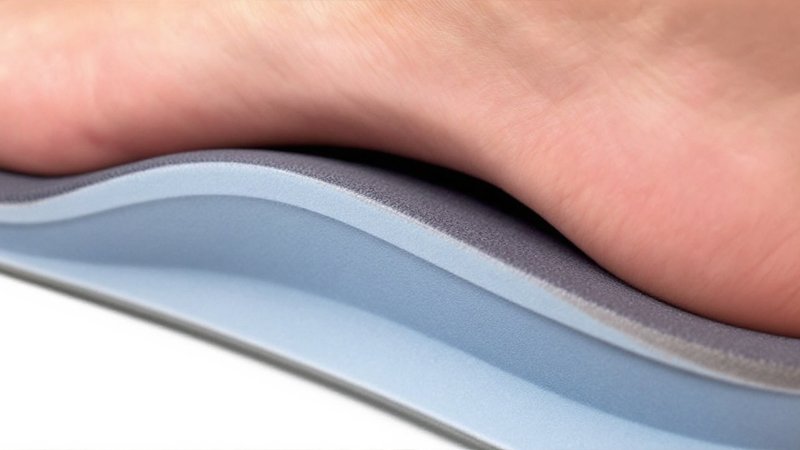
Orthotic materials are chosen for longevity. Instead of flattening quickly, they maintain shape and function.
With consistent use:
- Arch support remains stable
- Heel control stays effective
- Pressure distribution stays balanced
As a result, replacement cycles are longer.
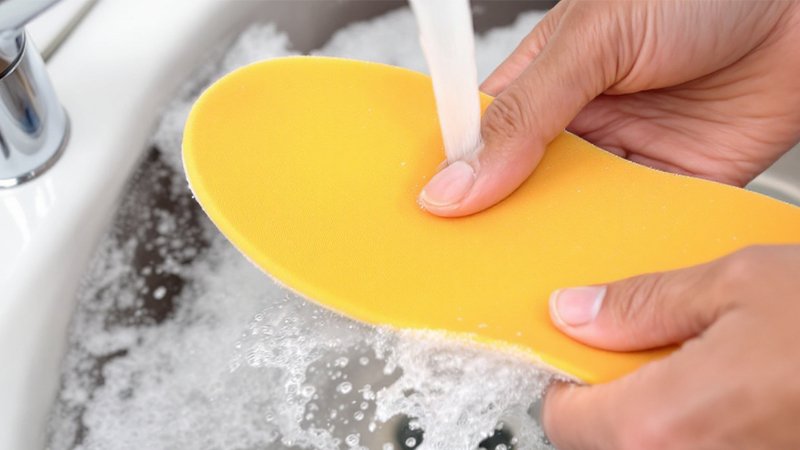
Care and Maintenance Tips
Proper care preserves performance. For example:
- Keep footbeds dry
- Clean with a damp cloth
- Avoid extreme heat
- Replace when structure degrades
Sustainability Perspective
Some orthotic materials are synthetic, while others like cork are renewable. However, the extended lifespan reduces frequent replacement.
During a durability-focused fashion audit, orthotic footbeds often score well due to longevity.
When Orthotic Footbed Materials Are the Right Choice
Choose footwear or insoles with orthotic-grade materials if you want:
- Improved foot alignment
- Long-term support
- Reduced fatigue
- Stable walking mechanics
As a result, they suit both preventive care and daily comfort.
Common Misunderstandings
However, many people:
- Expect instant softness
- Confuse orthotics with cushions
- Skip adjustment periods
- Ignore proper shoe compatibility
Understanding these points improves results.
FAQs
Q1: Are orthotic footbeds supposed to feel hard?
They feel firm to provide support, not softness.
Q2: Do orthotic materials mold to the foot?
Some materials adapt gradually, others stay rigid.
Q3: Can orthotic footbeds be worn daily?
Yes, they are designed for regular use.
Q4: Are orthotic materials durable?
Yes, they last longer than standard insoles.
Q5: Do they help with posture?
Proper support can improve alignment and balance.
Conclusion: Built for Support, Not Just Softness
In conclusion, orthotic footbed material focuses on stability, alignment, and long-term foot health rather than plush comfort. While firmer than regular insoles, these materials deliver reliable support and durability.
Ultimately, whether you’re selecting supportive footwear or evaluating construction quality during a detailed fashion audit, orthotic-grade footbed materials remain essential for healthy movement.