
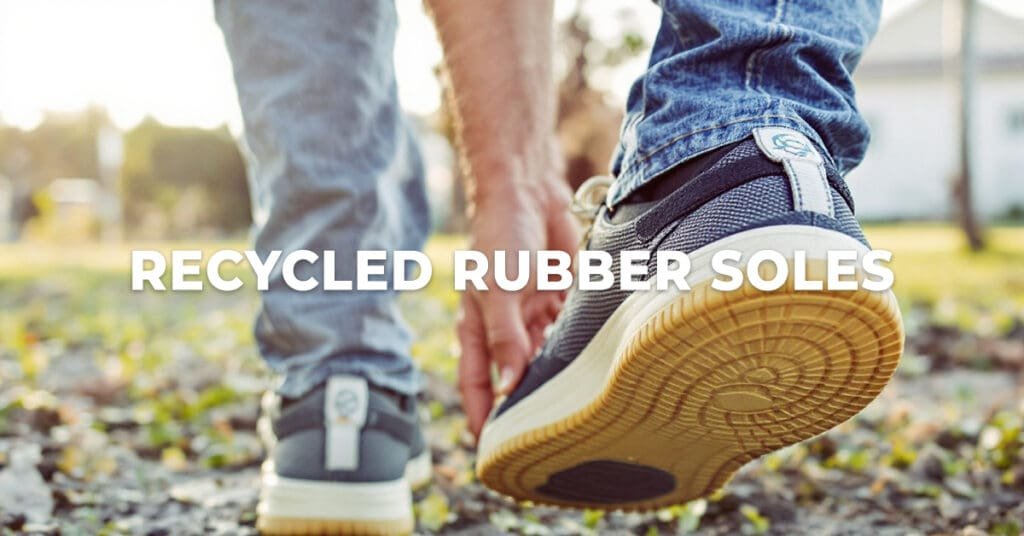
Introduction: Why Recycled Rubber Matters in Footwear Soles
Shoe soles play a critical role in traction, durability, and overall performance. However, traditional rubber production relies heavily on virgin materials. Recycled rubber offers a practical alternative by reusing existing rubber waste without compromising functionality.
Moreover, brands and consumers increasingly prioritize responsible material choices. As a result, footwear with recycled rubber soles often performs well during sustainability-focused fashion audits, especially where durability and waste reduction are key criteria.
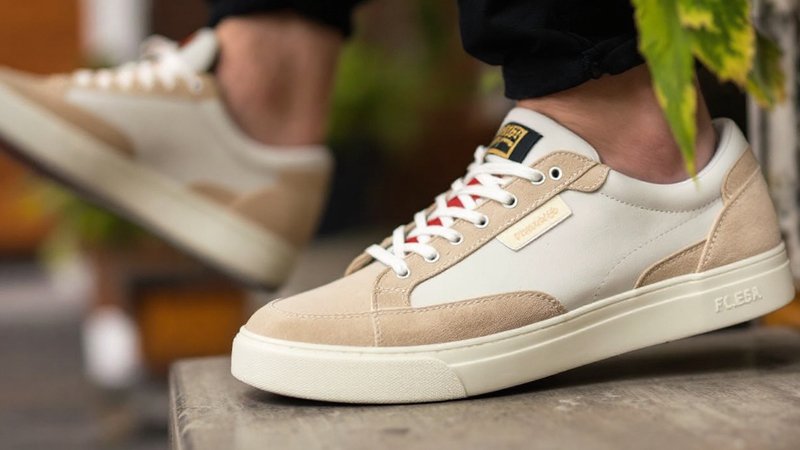
What Is a Recycled Rubber-Based Sole?
A recycled rubber–based sole uses rubber reclaimed from sources such as worn-out footwear, manufacturing scraps, or industrial rubber waste. Unlike fully virgin rubber, these compounds reduce raw material demand while delivering reliable performance.
Key characteristics include:
- High abrasion resistance
- Strong surface grip
- Dense, supportive feel
- Consistent tread performance
Because manufacturers can blend reclaimed and fresh rubber, performance remains controlled and predictable.
How Reclaimed Rubber Soles Are Manufactured
Production usually involves:
- Collecting and sorting rubber waste
- Cleaning and processing materials
- Grinding rubber into granules
- Blending with binders or fresh rubber
- Heat-molding into outsole shapes
As a result, discarded rubber becomes a functional and durable shoe component.
Key Benefits of Reclaimed Rubber in Outsoles
Long-Lasting Wear
Reused rubber resists abrasion and slow tread loss.
Reliable Traction
The material grips well on urban and outdoor surfaces.
Lower Environmental Impact
Reusing rubber reduces landfill waste.
Versatile Application
It works well in casual, work, and lifestyle footwear.
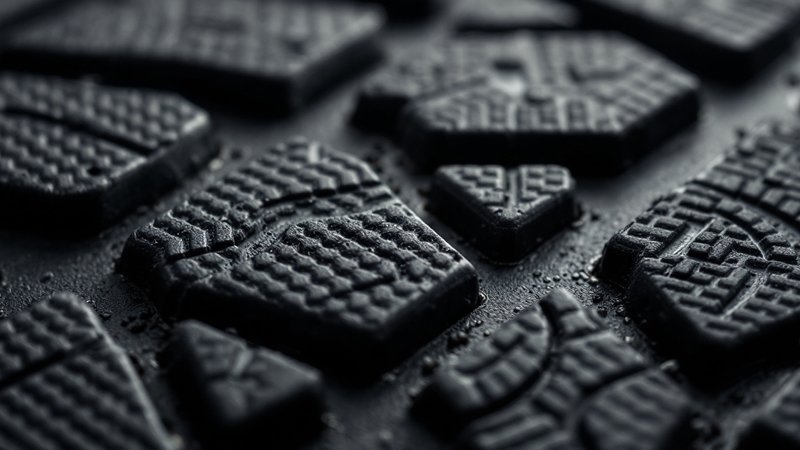
Reclaimed Rubber vs Virgin Rubber Outsoles
| Feature | Reclaimed Rubber | Virgin Rubber |
|---|---|---|
| Material source | Reused rubber | New raw rubber |
| Traction | High | High |
| Durability | Strong | Strong |
| Sustainability | Better | Lower |
| Typical use | Eco-conscious footwear | Conventional footwear |
As a result, reclaimed rubber delivers similar performance with added sustainability benefits.
Where Reclaimed Rubber Soles Perform Best
Footwear with recycled rubber compounds works well for:
- Daily walking shoes
- Casual sneakers
- Lifestyle footwear
- Work and utility shoes
- Urban environments
Therefore, they suit everyday use where durability and grip matter.
Comfort and Underfoot Experience
Shoes with rubber-based recycled soles feel:
- Stable and supportive
- Slightly firm compared to foam soles
- Secure on varied surfaces
However, cushioning primarily depends on the midsole rather than the outsole.
Durability and Long-Term Performance
Reused rubber compounds age well. Instead of wearing down rapidly, they retain tread depth and structure.
With ongoing wear:
- Grip remains consistent
- Edges resist cracking
- Sole shape stays intact
As a result, reclaimed rubber outsoles provide dependable longevity.
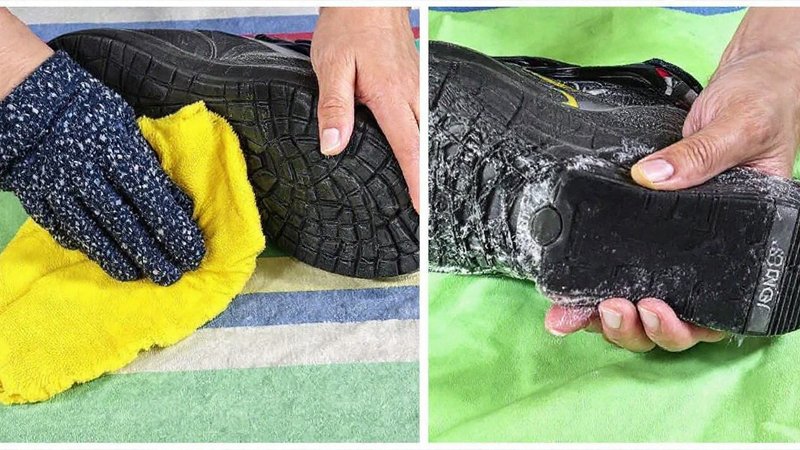
Care Tips for Shoes with Recycled Rubber Soles
Simple maintenance helps extend lifespan. For example:
- Brush off dirt regularly
- Rinse with water when needed
- Avoid prolonged oil exposure
- Store shoes in dry areas
Sustainability Perspective
Using reclaimed rubber reduces demand for new rubber production and supports circular manufacturing. Because of this, it plays an important role in responsible footwear design.
During sustainability-driven fashion audits, rubber soles with recycled content often score well for waste reduction and durability.
When Reclaimed Rubber Soles Are a Smart Choice
Choose footwear with recycled rubber components if you want:
- Durable everyday traction
- Lower environmental impact
- Long-lasting wear
- Practical performance
As a result, they appeal to both functional and eco-conscious buyers.
Common Misconceptions
However, many people:
- Expect soft cushioning from the outsole
- Confuse outsole comfort with midsole cushioning
- Assume all recycled rubber feels the same
- Ignore tread design
Understanding these factors leads to better footwear choices.
FAQs
Q1: Are recycled rubber-based soles durable?
Yes, they resist abrasion and long-term wear.
Q2: Do they provide good grip?
Yes, traction is comparable to traditional rubber.
Q3: Are reclaimed rubber soles eco-friendly?
They reduce waste and raw material consumption.
Q4: Do they feel harder than normal rubber?
They may feel slightly firmer depending on formulation.
Q5: Are they suitable for daily wear?
Yes, they perform well for everyday use.
Conclusion: Practical Performance with Responsible Design
In conclusion, recycled rubber sole technology delivers durability, grip, and dependable performance while reducing environmental impact. Although cushioning depends on other layers, recycled rubber excels where traction and longevity matter most.
Ultimately, whether you’re selecting everyday footwear or reviewing materials during a thoughtful fashion audit, recycled rubber soles represent a smart and sustainable choice.