
Introduction: The Evolution of EVA Toward Renewable Materials
EVA foam has long been valued for its lightweight cushioning and flexibility. However, traditional EVA relies on petroleum-based inputs. Bio-derived EVA offers a new direction by replacing part of those inputs with renewable, plant-based sources.
As footwear brands aim to reduce environmental impact, materials that balance comfort and sustainability are gaining importance. As a result, bio-based foam materials often perform well during sustainability-focused fashion audits, especially in casual and lifestyle footwear.
What Is Bio Based EVA?
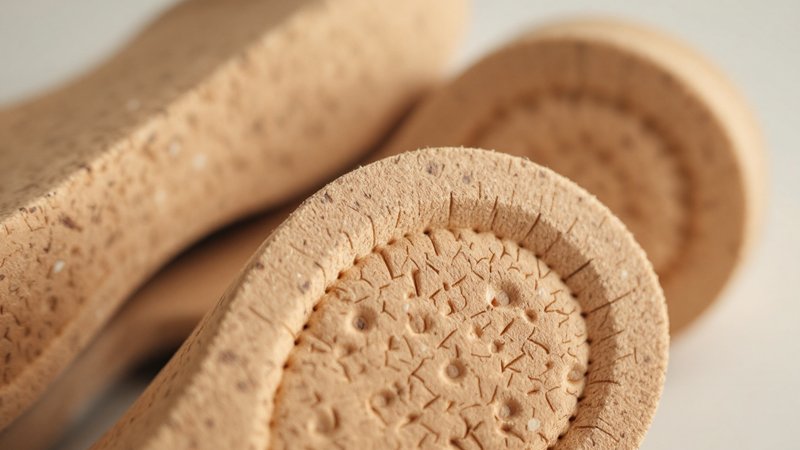
Bio based EVA is a type of EVA foam that incorporates renewable raw materials, such as sugarcane-derived ethanol, into its production. Unlike conventional EVA, it partially replaces fossil-based content with bio-derived components.
Key characteristics include:
- Lightweight foam structure
- Soft, shock-absorbing feel
- Flexible and resilient behavior
- Reduced reliance on petroleum resources
Because only part of the polymer comes from plants, performance remains consistent.
How Bio-Derived EVA Foam Is Made
Manufacturers typically produce plant-based EVA through:
- Growing renewable feedstocks like sugarcane
- Converting plant sugars into bio-ethanol
- Processing ethanol into polymer components
- Blending bio-derived and conventional inputs
- Foaming and molding into footwear parts
As a result, renewable resources integrate seamlessly into EVA foam production.
Key Benefits of Plant-Based EVA Foam
Reduced Carbon Footprint
Using renewable feedstocks lowers reliance on fossil fuels.
Lightweight Cushioning
The foam maintains the softness EVA is known for.
Flexible and Comfortable Feel
Bio-derived EVA bends naturally with foot movement.
Drop-In Performance
It works with existing molds and manufacturing processes.
Bio-Derived EVA vs Traditional EVA
| Feature | Bio-Derived EVA | Traditional EVA |
|---|---|---|
| Raw material source | Renewable + fossil | Fossil-based |
| Cushioning | High | High |
| Weight | Lightweight | Lightweight |
| Environmental impact | Lower | Higher |
| Manufacturing | Compatible | Standard |
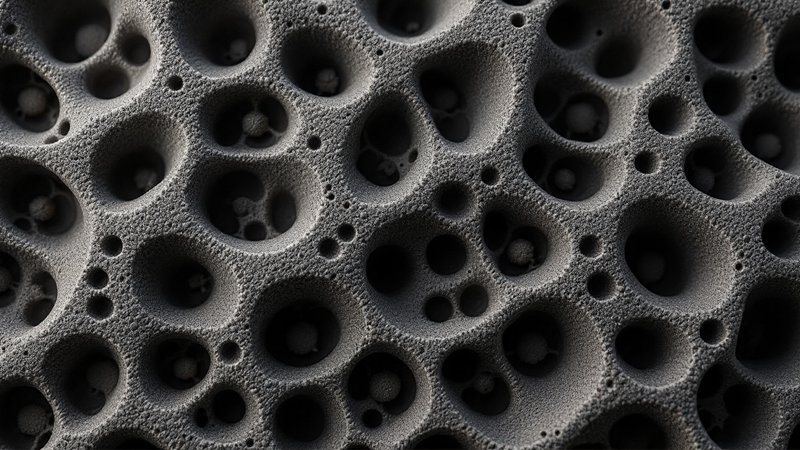
As a result, both foams feel similar, but bio-derived options reduce environmental impact.
Where Bio-Based EVA Is Commonly Used
This foam material is often found in:
- Midsoles
- Footbeds
- Slides and sandals
- Casual sneakers
- Lightweight lifestyle footwear
Therefore, it works best in comfort-oriented designs.
Underfoot Feel and Comfort Experience
Footwear using plant-based EVA feels:
- Soft and cushioned
- Lightweight during movement
- Flexible across the stride
However, overall comfort still depends on foam density and shoe construction.
Durability and Long-Term Performance
Bio-derived EVA performs reliably when produced correctly. Instead of wearing out quickly, the foam maintains structure and rebound through repeated use.
With regular wear:
- Cushioning remains responsive
- Shape stays stable
- Compression occurs gradually
As a result, durability remains comparable to standard EVA.
Care Tips for Footwear with Bio-Based Foam
Proper care helps preserve performance. For example:
- Avoid excessive heat exposure
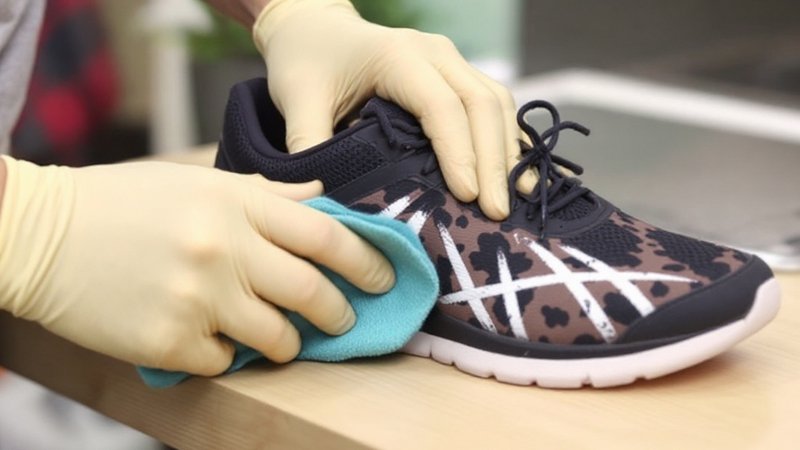
- Clean gently with mild soap
- Allow footwear to air dry
- Store away from direct sunlight
Sustainability Perspective
Bio-derived EVA reduces dependence on fossil fuels and supports renewable sourcing. Because of this, it contributes to lower carbon emissions across the material lifecycle.
During a sustainability-driven fashion audit, footwear using bio-based foam often scores higher for material innovation and responsible sourcing.
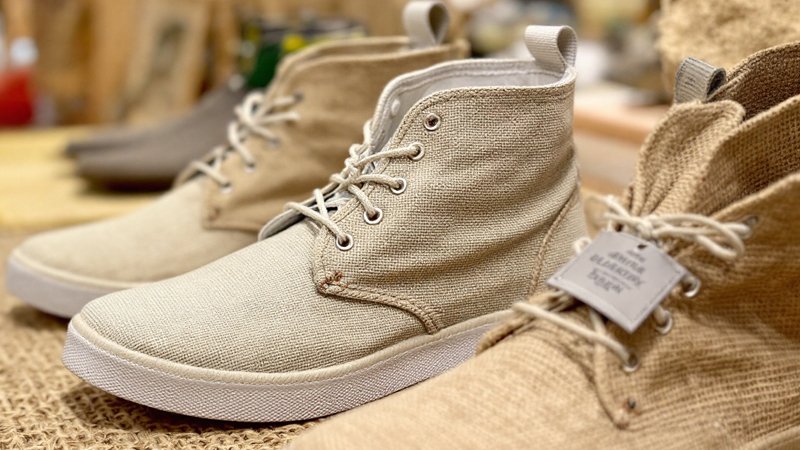
When Bio Based EVA Is the Right Choice
Choose footwear using this material if you want:
- Lightweight everyday cushioning
- Reduced environmental impact
- Modern comfort-focused design
- Renewable material content
As a result, it suits casual, lifestyle, and eco-conscious footwear lines.
Common Misunderstandings to Avoid
However, many people:
- Assume it is fully biodegradable
- Expect drastic performance differences
- Ignore outsole and upper materials
- Confuse bio-based with recycled materials
Avoiding these misconceptions leads to better expectations.
FAQs
Q1: Is bio based EVA as comfortable as regular EVA?
Yes, comfort and cushioning feel very similar.
Q2: Is bio-based EVA eco-friendly?
It reduces fossil fuel use by incorporating renewable inputs.
Q3: Is plant-based EVA biodegradable?
No, it is not biodegradable.
Q4: Where is bio-based EVA commonly used?
In midsoles, footbeds, and sandals.
Q5: Does bio-based EVA last long?
Yes, durability is comparable to standard EVA.
Conclusion: Familiar Comfort with a Renewable Upgrade
In conclusion, bio based EVA delivers the same lightweight cushioning and flexibility people expect from EVA foam, while reducing reliance on fossil-based materials. Although it performs much like traditional EVA, its renewable content makes it a smarter choice for forward-thinking footwear brands.
Ultimately, whether you’re selecting comfort-focused shoes or evaluating materials during a detailed fashion audit, bio-derived EVA represents a meaningful step toward more responsible footwear design.