
Meta Description: This article explores the growing popularity of Plant Based Leather and its benefits.
Discover plant based leather, how it’s made, its benefits, durability, comfort, and why it’s becoming a popular sustainable alternative to traditional leather.
SEO Tags:
Plant Based Leather, vegan leather alternatives, bio-based leather, sustainable fashion materials, eco-friendly leather substitutes
Introduction: The Rise of Plant-Based Materials in Fashion
The fashion and footwear industries are undergoing a major transformation. However, concerns about environmental impact and animal welfare continue to grow. This shift has accelerated interest in innovative materials that reduce reliance on animal-derived products.
Among these innovations, Plant Based Leather has emerged as a promising alternative. As a result, it often performs well in sustainability-focused fashion audits, especially in footwear, bags, and accessories designed for eco-conscious consumers.
What Is Plant Based Leather?
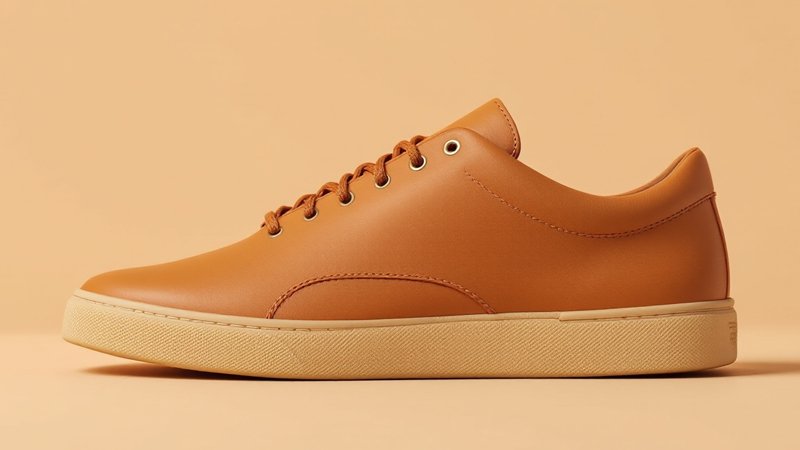
Plant based leather refers to leather-like materials created from renewable plant sources rather than animal hides. Unlike traditional leather, these materials rely on fibers, cellulose, or plant proteins to mimic texture and durability.
Common plant sources include:
- Pineapple leaves
- Apple peels
- Mushroom mycelium
- Cactus fibers
- Corn or cellulose blends
These materials offer a leather-like appearance with a reduced environmental footprint.
How Plant-Based Leather Is Made
Manufacturers typically produce plant-derived leather through:
- Harvesting agricultural byproducts
- Processing plant fibers or biomass
- Binding fibers with bio-based resins
- Forming sheets with leather-like texture
- Finishing for strength and appearance
As a result, waste materials from food or agriculture gain new value in fashion applications.
Key Benefits of Plant-Derived Leather Materials
Reduced Environmental Impact
Plant-based inputs lower reliance on livestock and fossil fuels.
Animal-Free Production
No animal hides are used, supporting vegan fashion.
Lightweight and Flexible Feel
Many plant-based materials remain soft and wearable.
Innovative Use of Waste Resources
Agricultural byproducts are repurposed effectively.
Plant Based Leather vs Traditional Leather
| Feature | Plant-Based Leather | Animal Leather |
|---|---|---|
| Source | Renewable plants | Animal hides |
| Animal-free | Yes | No |
| Weight | Lightweight | Heavier |
| Environmental impact | Lower | Higher |
| Aging | Consistent | Develops patina |
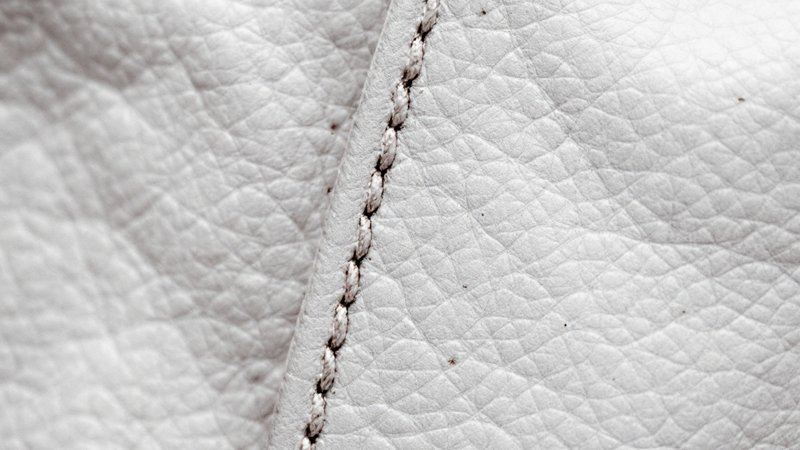
As a result, plant-derived options appeal to sustainability-focused consumers.
Where Plant-Based Leather Is Commonly Used
This material is often found in:
- Footwear uppers
- Sandals and slides
- Bags and accessories
- Wallets and belts
- Fashion-forward sneakers
Therefore, it fits well in lifestyle and casual products.
Comfort and Wear Experience
Plant-based leather products feel:
- Smooth against the skin
- Lightweight during wear
- Flexible for everyday movement
However, breathability and softness vary depending on the plant source and finishing process.
Durability and Performance Over Time
Modern plant-based leathers continue to improve in strength. Instead of cracking quickly, well-made versions maintain structure with regular use.
With normal wear:
- Surface stays intact
- Shape remains stable
- Appearance holds well
As a result, durability now meets everyday lifestyle needs.
Care Tips for Plant-Derived Leather Products
Proper care helps extend lifespan. For example:
- Wipe clean with a damp cloth
- Avoid prolonged moisture exposure
- Keep away from direct heat
- Store in cool, dry places

Sustainability Perspective
Plant-derived leather supports circular design and waste reduction. Because of this, it plays an important role in next-generation sustainable fashion.
During a sustainability-focused fashion audit, these materials often score well for reduced emissions, renewable sourcing, and innovation.
When Plant Based Leather Is the Right Choice
Choose plant-derived leather if you want:
- Animal-free fashion
- Lower environmental impact
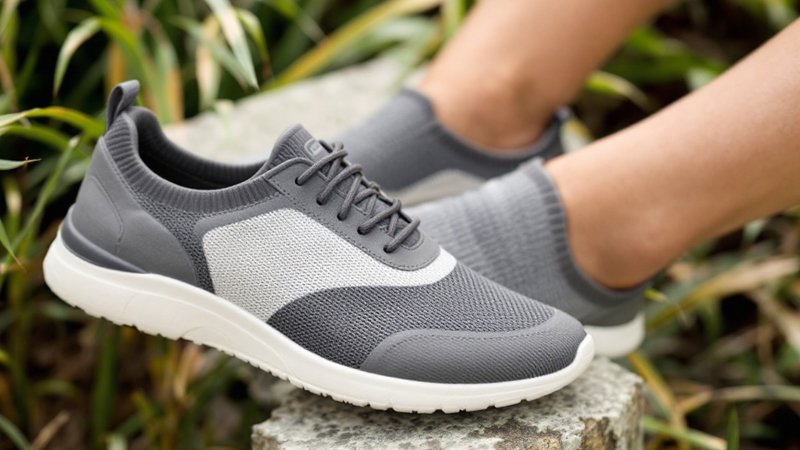
- Lightweight, modern materials
- Innovative design aesthetics
As a result, it suits eco-conscious and trend-driven buyers alike.
Common Misconceptions to Avoid
However, many people:
- Expect it to age like animal leather
- Assume all versions are 100% biodegradable
- Use harsh cleaners
- Expect heavy-duty performance
Avoiding these mistakes improves satisfaction and lifespan.
FAQs
Q1: Is plant based leather vegan?
Yes, it does not use animal materials.
Q2: Is plant based leather durable?
Modern versions are durable for everyday use.
Q3: Is plant based leather eco-friendly?
It generally has a lower environmental impact.
Q4: Can plant based leather be recycled?
Recyclability depends on material composition.
Q5: Where is plant based leather commonly used?
In footwear, bags, and fashion accessories.
Conclusion: Innovation Rooted in Nature
In conclusion, Plant Based Leather represents a significant step toward more responsible fashion. By transforming plant materials into functional alternatives, this innovation balances style, comfort, and sustainability.
Ultimately, whether you’re choosing ethical footwear or evaluating materials during a detailed fashion audit, plant-derived leather offers a modern solution aligned with future-focused design values.