
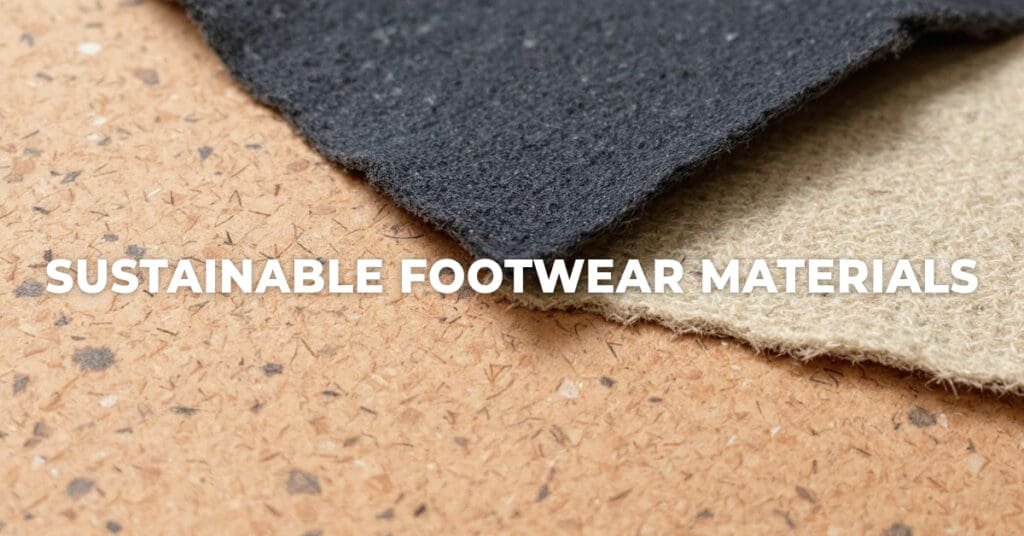
Introduction: Why Materials Matter in Sustainable Footwear
Footwear production relies on many different components, from uppers and soles to linings and insoles. However, conventional materials often depend on virgin plastics, intensive farming, or energy-heavy manufacturing.
This has pushed brands and designers to rethink material choices. As a result, sustainable footwear materials now play a central role in reducing environmental impact, improving transparency, and meeting modern consumer expectations. These materials are also increasingly evaluated during sustainability-focused fashion audits.
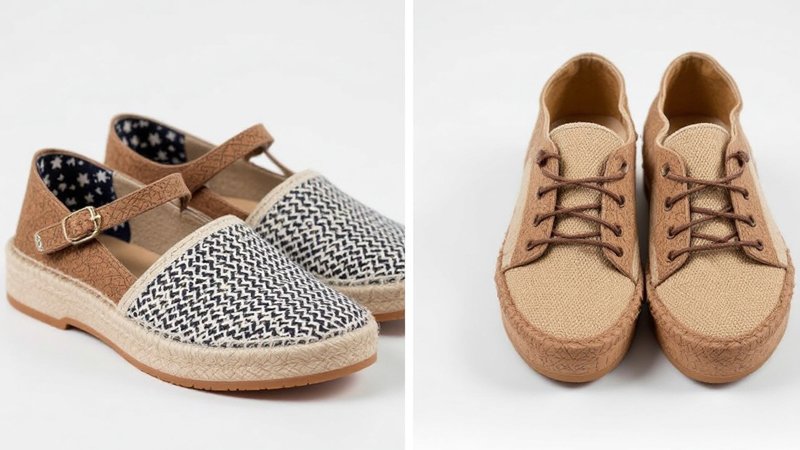
What Are Sustainable Footwear Materials?
Sustainable materials in footwear are those designed to reduce environmental and social impact across their lifecycle. Unlike conventional materials, they often prioritize renewable sources, recycled content, lower emissions, or reduced waste.
Key characteristics include:
- Renewable or recycled origins
- Reduced resource and water use
- Lower carbon footprint
- Improved end-of-life potential
Because footwear uses multiple materials, sustainability often depends on how components work together.
Plant-Based Materials Used in Footwear
Plant-based options replace animal-derived or petroleum-based materials with renewable sources.
Common examples include:
- Cactus-derived leather alternatives
- Pineapple leaf fiber materials (Piñatex)
- Apple waste leather alternatives
- Mushroom-based materials
- Cork and natural rubber
These materials support reduced land use and animal-free production.
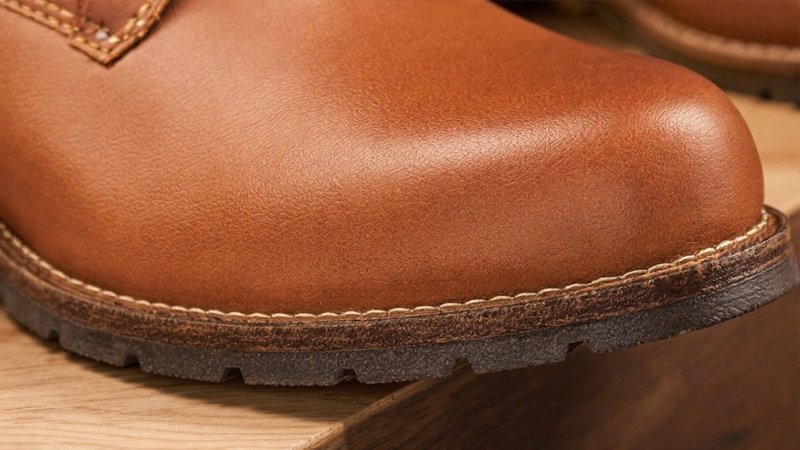
Recycled Materials in Modern Shoes
Recycling plays a major role in sustainable shoe design. Instead of producing new plastic, brands reuse existing waste streams.
Common recycled inputs include:
- Recycled polyester from plastic bottles
- Ocean-bound plastic fibers
- Recycled EVA foam
- Reclaimed rubber soles
- Recycled mesh uppers
As a result, waste is diverted from landfills and oceans.
Sustainable Upper Materials
The upper has the largest visual and material footprint.
Popular low-impact upper options:
- Recycled knit and mesh textiles
- Bio-based leather alternatives
- Organic cotton canvas
- Hemp and bamboo fabrics
These materials balance breathability, durability, and reduced environmental cost.
Eco-Friendly Sole and Midsole Materials
Soles affect comfort, performance, and sustainability.
Responsible choices include:
- Natural rubber soles
- Recycled rubber outsoles
- Bio-based EVA alternatives
- Reprocessed foam midsoles
- Cork-blended footbeds
While cushioning remains important, material sourcing increasingly matters.

Insoles and Footbeds with Lower Impact
Footbeds often use:
- Recycled PU foam
- Natural latex
- Cork composites
- Bio-based or low-VOC foams
These options support comfort while reducing chemical exposure.
Durability and Performance Considerations
Sustainability does not mean sacrificing performance. Instead, well-designed materials maintain strength and comfort over time.
High-quality sustainable materials offer:
- Long wear life
- Stable structure
- Reliable cushioning
- Consistent appearance
Durability itself supports sustainability by reducing replacement frequency.
Care and Longevity
Proper care improves the environmental impact of any shoe. For example:
- Clean gently with mild products
- Avoid excessive heat
- Rotate footwear regularly
- Store in dry conditions
Extending product life is one of the most effective sustainability practices.
Sustainability and Fashion Audits
During a fashion audit, footwear materials are evaluated for:
- Source transparency
- Recycled or renewable content
- Chemical safety
- Waste reduction potential
Materials that support circular design often receive higher sustainability ratings.

Common Misconceptions About Sustainable Materials
However, many people assume:
- Eco-friendly materials lack durability
- All sustainable shoes are biodegradable
- Performance is compromised
- Sustainable footwear looks basic
In reality, innovation continues to close these gaps.
FAQs
Q1: What makes a footwear material sustainable?
Renewable sourcing, recycled content, and lower environmental impact.
Q2: Are sustainable materials durable?
Yes, many perform as well as conventional options.
Q3: Do sustainable shoes cost more?
Some do, but prices are becoming more competitive.
Q4: Are recycled materials safe for footwear?
Yes, when properly processed and certified.
Q5: Can sustainable footwear be stylish?
Absolutely—design innovation continues to grow.
Conclusion: Materials That Shape a Better Footwear Future
In conclusion, sustainable footwear materials form the foundation of responsible shoe design. By combining plant-based inputs, recycled content, and thoughtful engineering, brands can reduce impact without sacrificing comfort or style.
Ultimately, whether you’re selecting eco-conscious shoes or reviewing components during a detailed fashion audit, responsible material choices represent a meaningful step toward a more sustainable footwear industry.