
Introduction: Why the Ankle Collar Deserves Attention
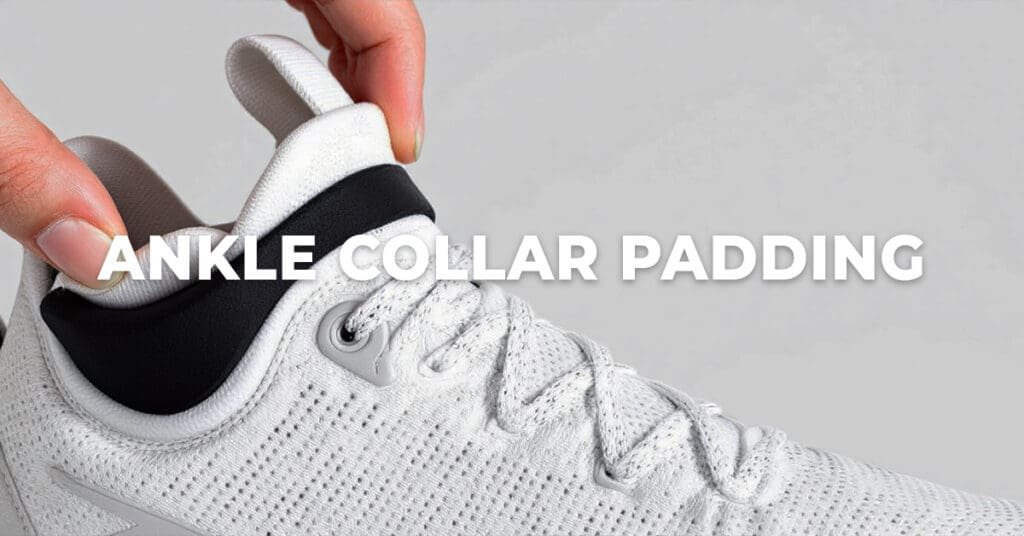
When people talk about shoe comfort, they usually mention midsoles or insoles. However, the padded area around the ankle plays a huge role in fit and support. That soft ring at the top of the shoe opening helps reduce friction, prevent blisters, and improve overall stability.
Because this area directly touches the ankle, manufacturers carefully select ankle collar padding material to balance softness, durability, and structure. As a result, footwear engineers often evaluate this component during wear testing and detailed fashion audits.
What Is Ankle Collar Padding Material?
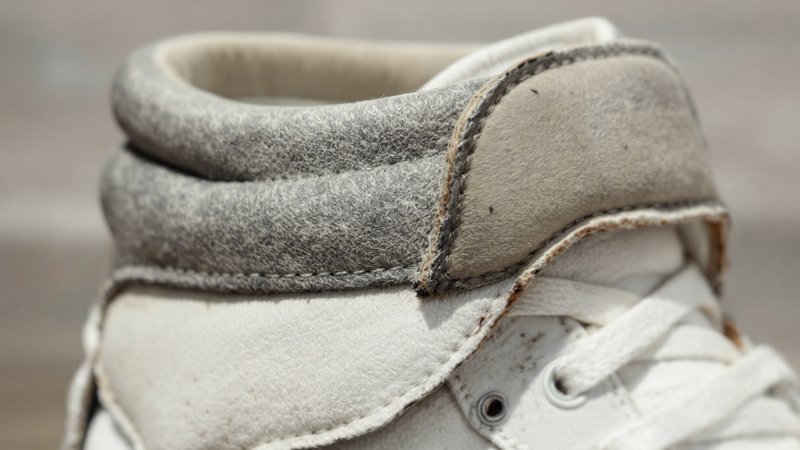
Ankle collar padding material refers to the cushioning placed around the shoe’s top edge, where it wraps around the ankle. Unlike structural heel counters, this material focuses on comfort and contact protection.
It typically:
- Cushions the ankle bones
- Reduces friction and rubbing
- Enhances fit around the heel
- Improves overall comfort
Because the collar sits in a high-movement area, it must remain soft yet resilient.
Why Ankle Padding Is Important
The ankle moves constantly during walking and running. Without proper cushioning, the collar can rub against skin and cause irritation.
Quality padding helps by:
- Preventing blisters
- Improving heel lockdown
- Distributing pressure evenly
- Enhancing overall shoe stability
As a result, even small improvements in collar cushioning can significantly boost comfort.
Common Materials Used for Ankle Collar Padding
Manufacturers choose materials based on shoe type, budget, and performance goals.
Foam Padding
The most common option. It offers lightweight cushioning and flexibility.
PU (Polyurethane) Foam
More durable than basic foam and retains shape longer.
Memory Foam Inserts
Adapts to ankle shape for a customized feel.
EVA Foam
Lightweight and commonly used in athletic footwear.
Fabric-Wrapped Padding
Often combined with mesh or knit lining for breathability.
Material Choice by Shoe Type
Different footwear categories require different padding structures:
- Running shoes: Lightweight foam with breathable lining
- Basketball shoes: Thicker, supportive padding
- Casual sneakers: Soft comfort-focused foam
- Work boots: Dense, durable cushioning
- Hiking shoes: Moisture-resistant padding
Therefore, intended use determines material density and thickness.
Comfort and Fit Benefits
A properly designed padded collar:
- Improves heel stability
- Reduces pressure points
- Prevents slipping
- Enhances overall foot alignment
However, excessive padding may create a bulky fit. Designers aim for balance.
Breathability and Moisture Management
Since the ankle area can trap heat, many manufacturers use moisture-wicking linings over the foam.
Breathable collar materials help:
- Reduce sweat buildup
- Improve airflow
- Maintain freshness
- Enhance long-term comfort
As a result, ventilation becomes just as important as softness.
Durability and Shape Retention
Low-quality foam may flatten quickly. High-density materials maintain shape over time and resist breakdown.
With strong construction:
- Padding remains resilient
- Heel support stays consistent
- Fit does not loosen prematurely
Durability often increases the overall lifespan of the shoe.
Sustainability Considerations
Some brands now explore recycled foam and bio-based cushioning alternatives. Because sustainability matters more than ever, manufacturers assess padding components during environmental reviews.
During a fashion audit, durable materials often score higher since longer-lasting shoes reduce waste.
Signs of High-Quality Collar Padding
Look for:
- Even cushioning thickness
- Smooth lining fabric
- Secure stitching
- Consistent foam density
- No visible collapse when pressed
These indicators suggest better construction quality.
Common Misconceptions
However, some people assume:
- Thicker padding always equals better comfort
- All foam types perform the same
- Padding only affects comfort, not stability
- Collar cushioning does not impact durability
In reality, material selection influences both comfort and structure.
FAQs
Q1: Is ankle collar padding necessary in all shoes?
Most closed shoes include some level of padding for comfort.
Q2: Does thicker padding mean more support?
Not always. Proper density matters more than thickness.
Q3: Can collar padding flatten over time?
Yes, low-quality foam may compress with extended use.
Q4: Is memory foam good for ankle collars?
It can improve comfort but may not provide firm support.
Q5: Are breathable materials better for hot climates?
Yes, moisture-wicking fabrics improve airflow and comfort.
Conclusion: Small Detail, Big Comfort Impact
In conclusion, ankle collar padding material plays a critical role in footwear comfort, stability, and long-term wearability. Though often overlooked, this soft yet supportive component enhances fit, reduces friction, and supports heel control.
Ultimately, whether you are selecting athletic shoes or reviewing product quality during a detailed fashion audit, paying attention to collar construction reveals valuable insight into overall design excellence.