
Introduction: The Hidden Layer That Shapes Comfort
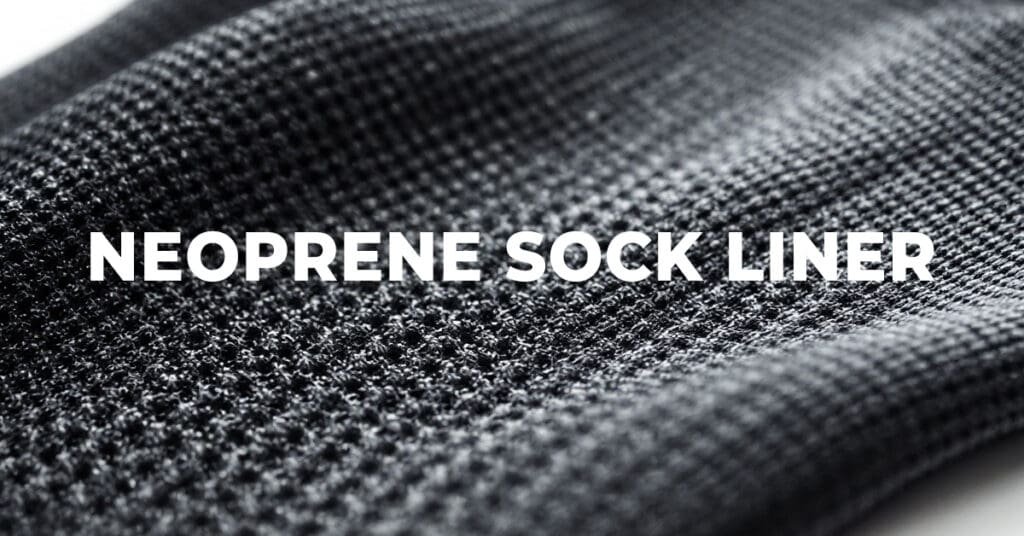
When evaluating footwear, most people focus on midsoles, outsoles, or uppers. However, the internal lining plays a crucial role in overall comfort and fit. One increasingly popular option is the neoprene sock liner—a flexible inner layer that wraps the foot like a soft sleeve.
Because of its stretch and moisture-resistant properties, this lining solution appears frequently in athletic and lifestyle footwear. As a result, designers often assess it during performance testing and detailed fashion audits to ensure comfort, durability, and fit consistency.
What Is a Neoprene Sock Liner?
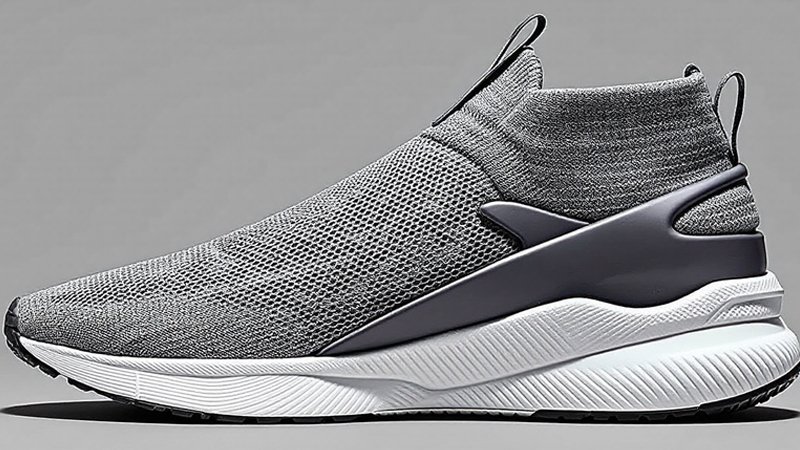
A neoprene sock liner is a soft, flexible inner layer made from synthetic rubber foam (neoprene) that lines the inside of a shoe. Unlike traditional textile linings, neoprene stretches and conforms closely to the foot.
Key characteristics include:
- Soft, elastic structure
- Lightweight cushioning
- Snug, sock-like fit
- Water-resistant properties
Because it molds gently around the foot, it enhances overall fit and security.
Why Neoprene Is Used in Shoe Linings
Neoprene offers a unique combination of stretch, insulation, and resilience.
Flexible Fit
The material adapts to foot shape, reducing pressure points.
Moisture Resistance
Neoprene resists water absorption better than many textiles.
Durability
It maintains elasticity even after repeated wear.
Lightweight Cushioning
Its foam structure adds subtle comfort without bulk.
As a result, footwear with this lining often feels secure and adaptive.
Common Applications in Footwear
Shoes that frequently use this inner construction include:
- Running and training shoes
- Slip-on sneakers
- Water-friendly footwear
- Outdoor and hiking shoes
- Casual lifestyle designs
These categories benefit from stretch and comfort-focused construction.
Neoprene Sock Liner vs Traditional Textile Lining
| Feature | Neoprene Liner | Standard Textile Lining |
|---|---|---|
| Stretch | High | Moderate |
| Water resistance | Good | Limited |
| Cushioning | Soft foam base | Fabric-based |
| Fit | Snug and adaptive | Structured |
| Breathability | Moderate | Higher |
Therefore, neoprene works best where stretch and water resistance matter more than maximum airflow.
Comfort and Fit Benefits
A neoprene-based inner lining improves:
- Heel lockdown
- Reduced friction
- Better ankle wrap
- Sock-like comfort
However, it may feel warmer than mesh-based linings in hot climates.
Impact on Performance
In athletic footwear, fit stability enhances movement efficiency. A snug inner sleeve reduces internal foot movement and supports smoother transitions.
Benefits include:
- Improved step control
- Reduced slippage
- Enhanced responsiveness
- Secure midfoot wrap
As a result, athletes often prefer this construction for training shoes.
Durability and Long-Term Wear
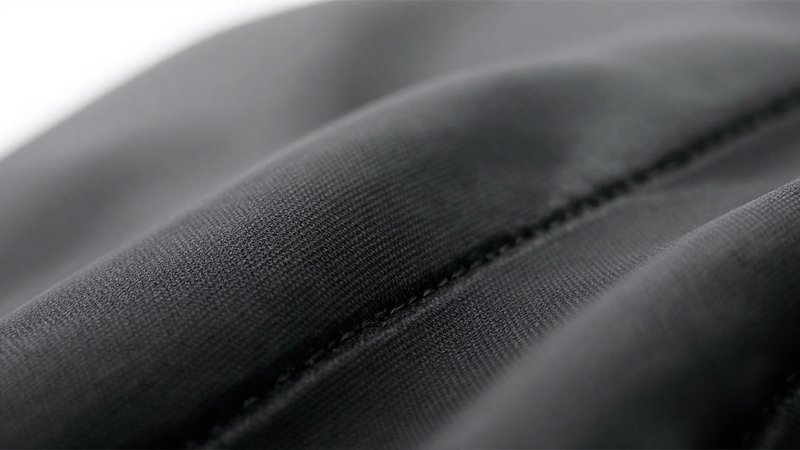
High-quality neoprene maintains flexibility over time. Instead of stretching out quickly, it retains structure and elasticity.
With proper care:
- Shape remains consistent
- Surface resists tearing
- Cushioning stays supportive
Durability contributes directly to longer shoe lifespan.
Breathability Considerations
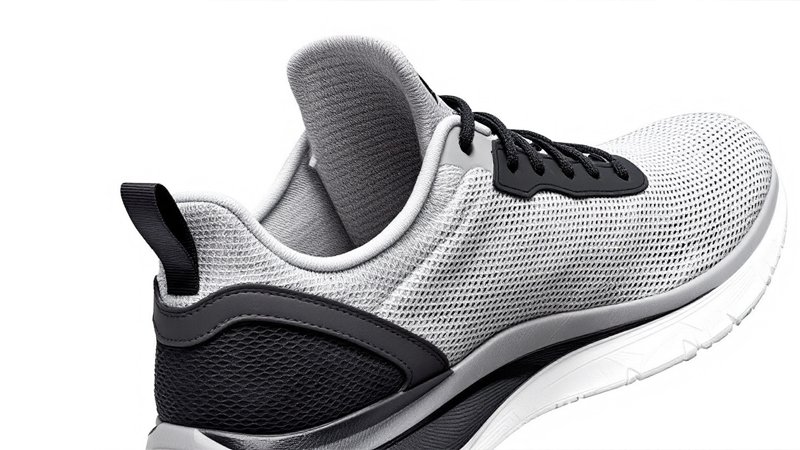
While neoprene offers insulation and moisture resistance, it may trap more heat compared to open mesh fabrics.
To improve airflow, manufacturers often combine:
- Perforated neoprene panels
- Breathable mesh overlays
- Moisture-wicking fabric layers
This balance ensures comfort across different climates.
Sustainability Perspective
Some brands now explore recycled neoprene alternatives and lower-impact synthetic foams. Because durability reduces replacement frequency, longer-lasting liners can improve sustainability performance.
During a fashion audit, both material sourcing and lifespan influence environmental evaluation.
When a Neoprene Sock Liner Is Ideal
Choose shoes with this lining if you want:
- A snug, sock-like fit
- Light water resistance
- Flexible ankle movement
- Enhanced stability during activity
As a result, it works well for active and casual use.
Common Misconceptions
However, many people assume:
- Neoprene is always too warm
- It lacks breathability entirely
- It feels bulky
- It is only used in water shoes
Modern construction techniques address most of these concerns.
FAQs
Q1: Is a neoprene sock liner waterproof?
It resists moisture but does not make the entire shoe waterproof.
Q2: Is neoprene breathable?
It offers moderate breathability; mesh alternatives provide more airflow.
Q3: Does neoprene stretch out over time?
High-quality neoprene retains elasticity with proper care.
Q4: Is it suitable for running shoes?
Yes, many athletic shoes use it for improved fit and stability.
Q5: Does it replace an insole?
No, it works alongside insoles and midsoles for comfort.
Conclusion: Adaptive Comfort Built from the Inside
In conclusion, a neoprene sock liner enhances footwear comfort through flexibility, light cushioning, and improved fit security. By wrapping the foot in a soft, stretchable inner layer, it supports both stability and ease of movement.
Ultimately, whether evaluating athletic performance or reviewing construction quality during a detailed fashion audit, this inner lining option reflects thoughtful, comfort-driven design.