
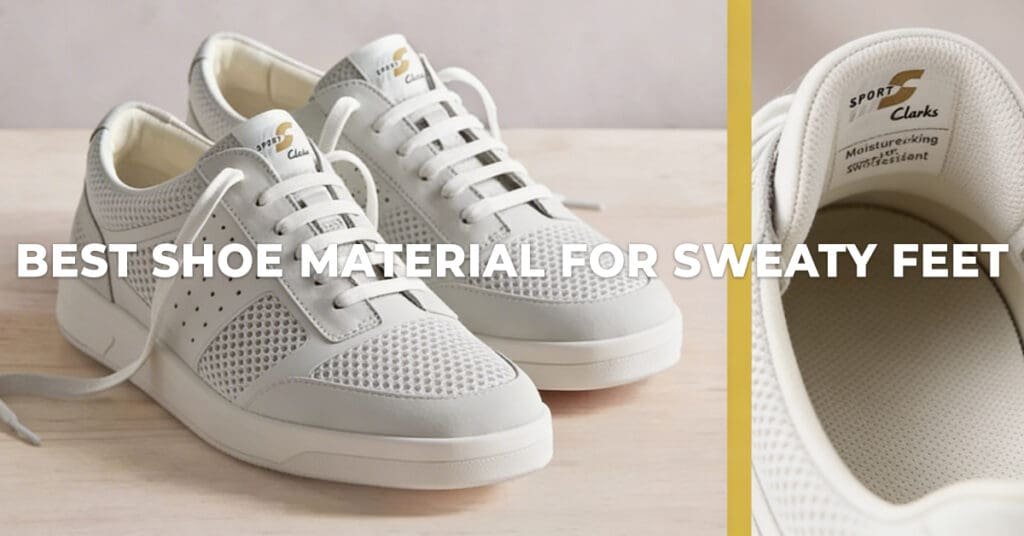
Introduction: Why Shoe Material Matters for Sweaty Feet
If your feet sweat easily, you already know the struggle—bad odor, discomfort, slipping inside shoes, and even skin irritation. Choosing the best shoe material for sweaty feet can make a huge difference in daily comfort and hygiene.
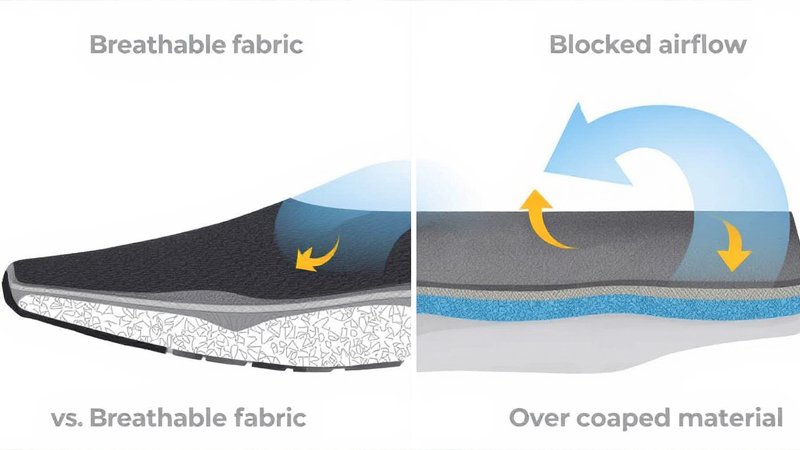
Foot sweat is normal. In fact, feet contain thousands of sweat glands. However, the wrong shoe material traps moisture, creating the perfect environment for bacteria growth. During footwear performance testing and climate-focused fashion audits, experts consistently emphasize one key factor: breathability.
Let’s explore the materials that actually help control moisture and improve comfort.
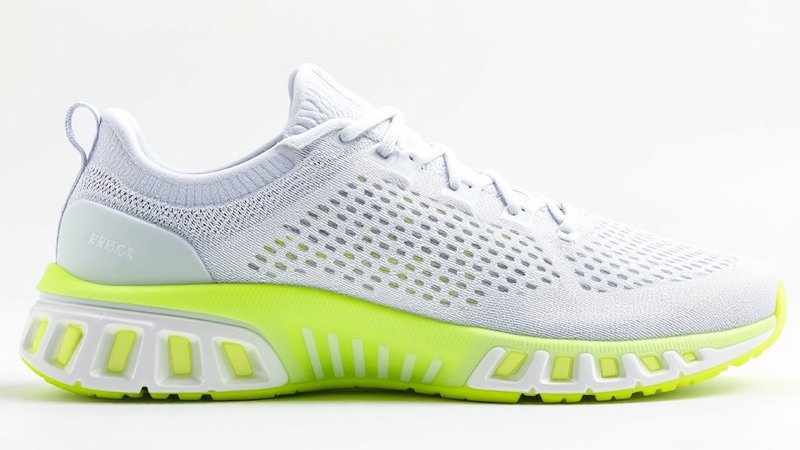
1️⃣ Mesh: Maximum Airflow and Ventilation
Mesh remains one of the top choices for people dealing with excessive sweating.
Why Mesh Works:
- Excellent air circulation
- Lightweight structure
- Quick-drying
- Reduces heat buildup
The open-weave construction allows hot air to escape while fresh air enters. This helps keep feet cooler throughout the day.
Best for: Running shoes, gym shoes, daily walking footwear.
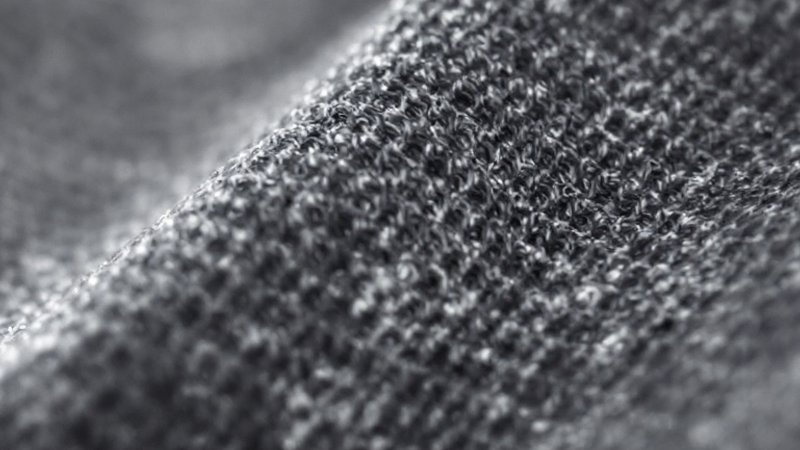
2️⃣ Knit Fabric: Flexible and Moisture-Controlling
Engineered knit materials offer both comfort and breathability.
Key Benefits:
- Stretchable fit
- Good airflow
- Lightweight feel
- Modern appearance
Knit uppers hug the foot without restricting airflow. Many brands design knit shoes specifically for warm climates.
3️⃣ Genuine Leather (Breathable Types Only)
Surprisingly, real leather can help manage sweat—if you choose the right type.
Why It Works:
- Natural material
- Allows some airflow
- Molds to foot shape
- Durable
Perforated leather performs better than thick, sealed leather. Avoid heavy synthetic coatings.
4️⃣ Bamboo Fabric: Natural Moisture Control
Bamboo-based textiles are growing in popularity for sweat management.
Advantages:
- Moisture-wicking properties
- Antibacterial qualities
- Soft and comfortable
- Eco-friendly
Bamboo fibers naturally help reduce odor buildup.
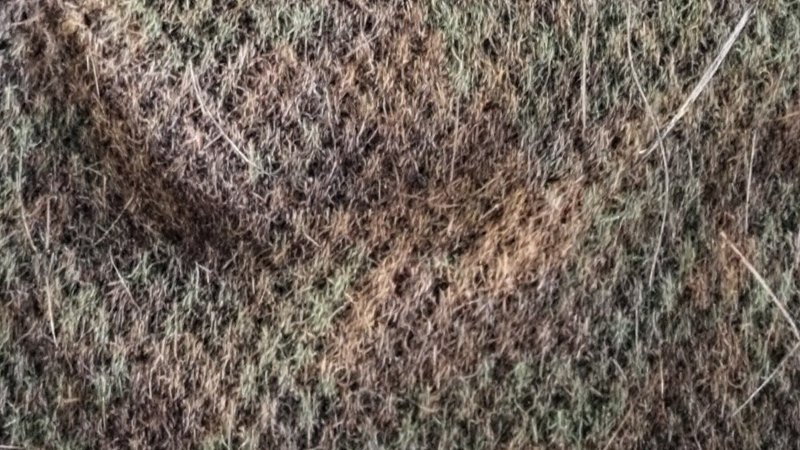
5️⃣ Canvas (For Dry Conditions)
Canvas made from cotton allows airflow but absorbs moisture.
Pros:
- Lightweight
- Breathable
- Affordable
However, canvas may stay wet longer if sweating is heavy.
6️⃣ Merino Wool: Temperature Regulation
Merino wool may sound warm, but it regulates temperature effectively.
Why It’s Effective:
- Natural moisture-wicking
- Odor-resistant
- Soft texture
- Temperature balancing
Merino fibers pull moisture away from the skin and allow it to evaporate.
7️⃣ EVA and Foam Insoles with Ventilation
Upper material matters, but insoles play a role too.
Look for:
- Perforated EVA insoles
- Moisture-wicking linings
- Removable insoles for washing
A breathable upper combined with proper insole design gives better results.
Materials to Avoid for Sweaty Feet
Some materials trap moisture and increase discomfort.
Avoid:
- Thick synthetic leather
- Non-breathable PVC
- Plastic uppers
- Heavy rubber linings
These prevent airflow and encourage odor.
Quick Comparison Table
| Material | Breathability | Moisture Control | Odor Resistance | Best Use |
|---|---|---|---|---|
| Mesh | Very High | High | Moderate | Sports |
| Knit | High | Moderate | Moderate | Daily wear |
| Leather (perforated) | Moderate | Moderate | Moderate | Office |
| Bamboo | High | High | High | Casual |
| Canvas | Moderate | Low | Low | Light use |
| Merino Wool | High | High | High | All-season |
Extra Tips to Reduce Foot Sweat
Even the best shoe material for sweaty feet works better with proper care.
Follow These Tips:
- Wear moisture-wicking socks
- Rotate shoes daily
- Use antibacterial foot spray
- Let shoes air dry completely
- Choose shoes with removable insoles
According to the American Podiatric Medical Association (APMA), proper footwear ventilation helps reduce bacterial growth and odor. You can read more at:
👉 https://www.apma.org
Common Buying Mistakes
Many people:
- Focus only on design
- Ignore ventilation holes
- Choose tight-fitting shoes
- Buy synthetic materials for hot weather
Comfort and breathability should come first.
FAQs
1. What is the best shoe material for sweaty feet?
Mesh and bamboo-based fabrics are highly effective.
2. Are leather shoes bad for sweaty feet?
Not necessarily. Perforated leather allows some airflow.
3. Do breathable shoes prevent odor?
They help reduce moisture, which lowers odor risk.
4. Are wool shoes good for sweating?
Merino wool regulates temperature and controls moisture.
5. Should I avoid synthetic materials?
Yes, especially thick non-breathable plastics.
6. Do insoles matter?
Yes, moisture-wicking and ventilated insoles improve comfort.
Conclusion: Choose Breathability First
Finding the best shoe material for sweaty feet means prioritizing airflow, moisture control, and odor resistance. Mesh and knit lead in ventilation, while bamboo and merino wool offer natural moisture management. Perforated leather can also work for formal settings.
When you combine the right material with good foot hygiene and moisture-wicking socks, you significantly improve comfort. Choose smartly, and your feet will stay cooler, fresher, and healthier every day.
Disclaimer:
All trademarks, logos, product names, and brand identifiers mentioned on FashionAudit.com are the property of their respective owners. They are used solely for the purpose of product review, comparison, and consumer information. FashionAudit.com does not claim any ownership of these marks.
No copyright or trademark infringement is intended. If any brand or rights holder believes their intellectual property has been misused, they can contact us directly and we will address the issue promptly.