
Introduction: Why Sole Choice Matters in Rainy Weather
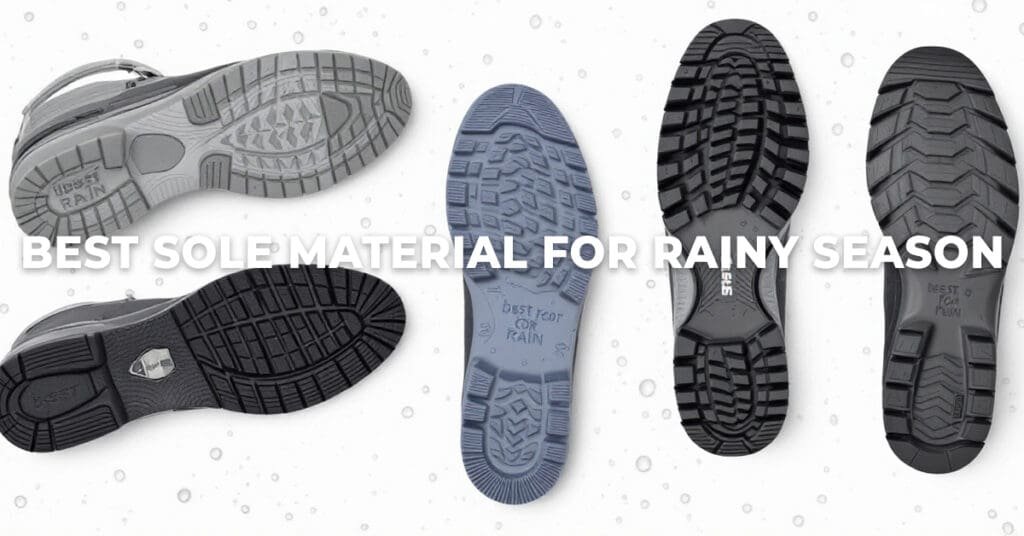
Rainy season brings cool air and fresh surroundings—but it also brings slippery roads, muddy paths, and waterlogged streets. That’s why choosing the best sole material for rain season becomes essential for safety and comfort.
A poor-quality sole can slip on wet tiles, wear out quickly, or absorb water. The right sole material, however, provides strong grip, water resistance, and durability. During footwear performance testing and detailed fashion audits, experts carefully assess outsole traction patterns and rubber compounds for wet-surface performance.
Let’s explore the most reliable sole materials for monsoon and rainy conditions.
1️⃣ Rubber Sole: The Most Reliable Option
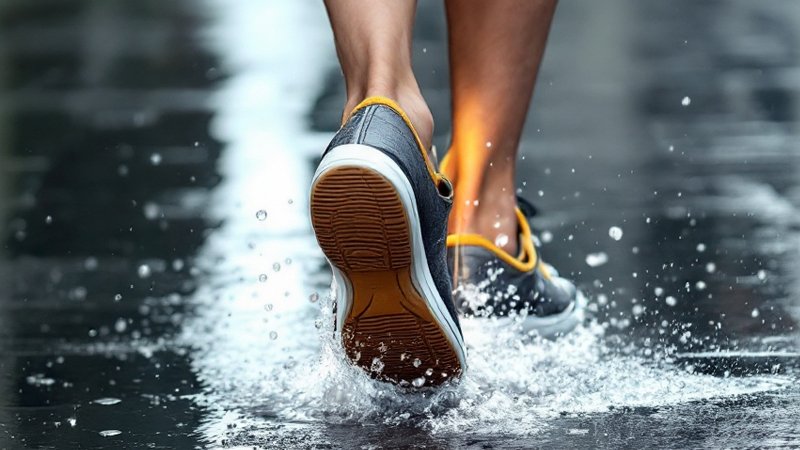
Rubber remains the top choice for rainy weather.
Why Rubber Works:
- Excellent grip on wet surfaces
- Water-resistant
- Durable and flexible
- Slip-resistant when textured properly
Natural and synthetic rubber both perform well. However, deeper tread patterns improve traction significantly.
Best for: Daily monsoon walking, office commute, outdoor use.
2️⃣ TPU (Thermoplastic Polyurethane): Strong and Stable
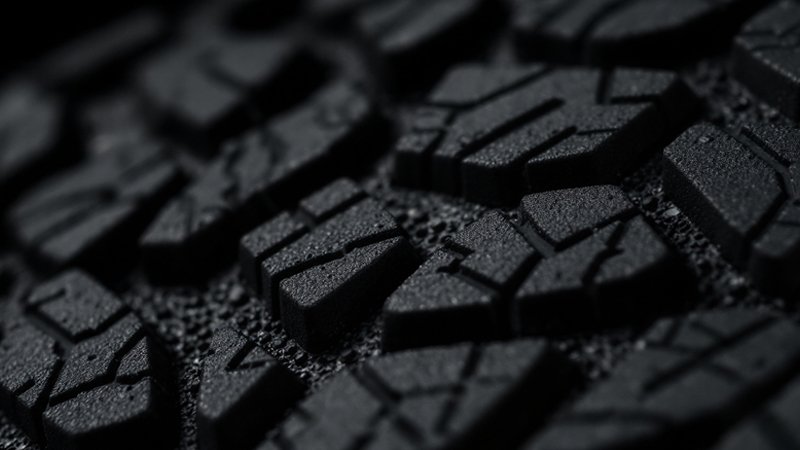
TPU offers enhanced durability and grip.
Key Benefits:
- High abrasion resistance
- Strong structure
- Good traction
- Lightweight compared to heavy rubber
Manufacturers often combine TPU with rubber for improved wet grip.
Best for: Performance footwear and sports shoes in rainy weather.
3️⃣ PVC Sole: Fully Waterproof
PVC (Polyvinyl Chloride) performs well in heavy rain.
Advantages:
- Completely waterproof
- Affordable
- Easy to clean
- Good for short-term wet exposure
PVC lacks flexibility compared to rubber but works well for budget rain footwear.
4️⃣ EVA with Rubber Outsole: Balanced Comfort
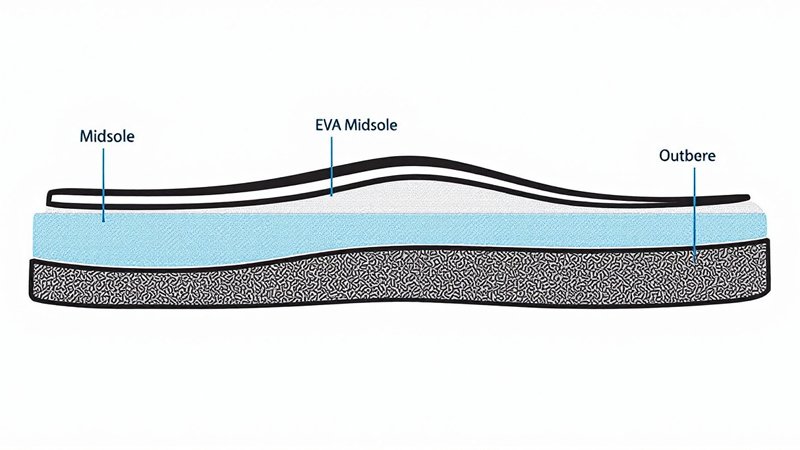
EVA alone does not provide strong grip in rain. However, when combined with rubber, it becomes effective.
Why It Works:
- Lightweight cushioning
- Shock absorption
- Improved grip with rubber bottom
This combination works well for people who walk long distances during monsoon.
5️⃣ PU Sole: Durable but Needs Texture
PU offers durability but requires anti-slip tread.
Benefits:
- Strong and long-lasting
- Water-resistant
- Good support
Without textured patterns, PU may feel slippery on smooth wet tiles.
Quick Comparison Table
| Sole Material | Water Resistance | Grip on Wet Surface | Durability | Best For |
|---|---|---|---|---|
| Rubber | High | Very High | High | Everyday rain |
| TPU | High | High | Very High | Sports use |
| PVC | Very High | Moderate | Moderate | Budget rain shoes |
| EVA + Rubber | Moderate | High | Moderate | Walking |
| PU | High | Moderate | High | Work shoes |
Features to Look for in Rainy Season Soles
The material matters, but design plays a big role too.
Look for:
- Deep tread patterns
- Slip-resistant rubber compounds
- Water-sealed construction
- Flexible grip zones
- Slight heel elevation for drainage
Even the best sole material for rain season performs better with proper tread design.
Materials to Avoid During Monsoon
Some sole materials struggle in wet conditions.
Avoid:
- Smooth plastic soles
- Thin EVA without rubber
- Leather soles
- Hard, flat surfaces without grip
These increase slipping risk.
Common Buying Mistakes
Many buyers:
- Choose style over safety
- Ignore tread depth
- Buy smooth soles
- Forget waterproof construction
Safety should always come first during monsoon.
Expert Recommendation
Footwear specialists often recommend rubber-based soles with deep grooves for monsoon use. According to safety guidelines discussed by the American Podiatric Medical Association (APMA), proper traction helps reduce fall risks on wet surfaces.
Learn more at: https://www.apma.org
FAQs
1. What is the best sole material for rain season?
Rubber is the most reliable choice for wet surfaces.
2. Are EVA soles good for rain?
EVA alone is not ideal. Pair it with rubber outsole.
3. Is PVC good for heavy rain?
Yes, PVC is fully waterproof but less flexible.
4. Which sole prevents slipping?
Textured rubber soles offer the best slip resistance.
5. Can PU soles work in monsoon?
Yes, if they have anti-slip tread patterns.
6. Should I choose lightweight or heavy soles?
Lightweight rubber soles provide both comfort and grip.
Conclusion: Safety First in Rainy Weather
Choosing the best sole material for rain season ensures both comfort and safety. Rubber stands out for grip and durability, while TPU adds strength and PVC offers waterproof protection. For daily walking, a rubber outsole combined with cushioned support delivers balanced performance.
Before buying, always check tread depth and flexibility. The right sole keeps you steady—even on slippery roads.
Disclaimer:
All trademarks, logos, product names, and brand identifiers mentioned on FashionAudit.com are the property of their respective owners. They are used solely for the purpose of product review, comparison, and consumer information. FashionAudit.com does not claim any ownership of these marks.
No copyright or trademark infringement is intended. If any brand or rights holder believes their intellectual property has been misused, they can contact us directly and we will address the issue promptly.