
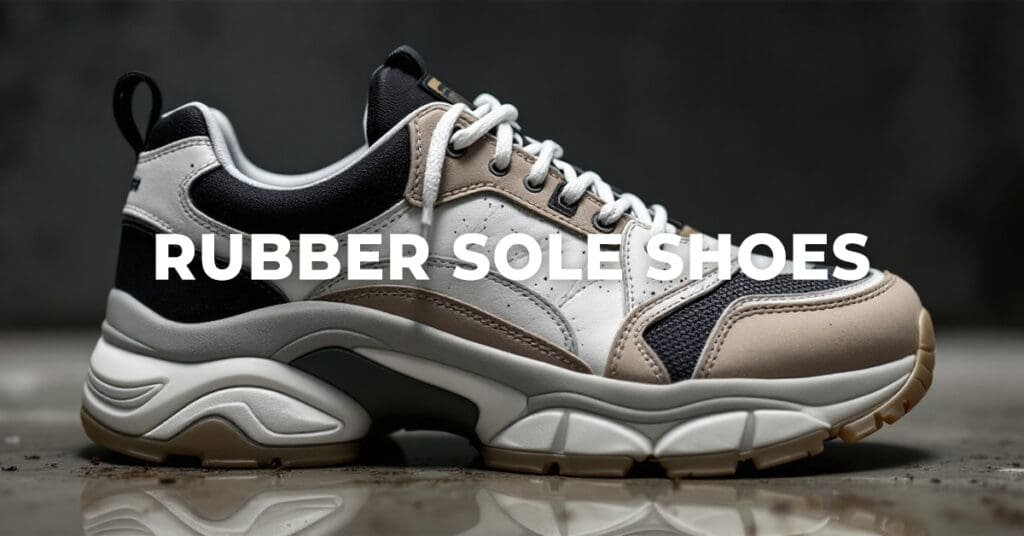
Introduction: Why Understanding Sole Materials Matters
When buying shoes, most people focus on the upper design or brand. However, the sole plays a critical role in comfort, durability, and safety. Understanding the Rubber Sole Shoes Meaning helps buyers make better decisions about everyday footwear.
Moreover, sole material directly affects traction, shock absorption, and flexibility. As a result, shoes with rubber soles consistently perform well during quality and performance-focused fashion audits, especially for walking, work, and casual use.
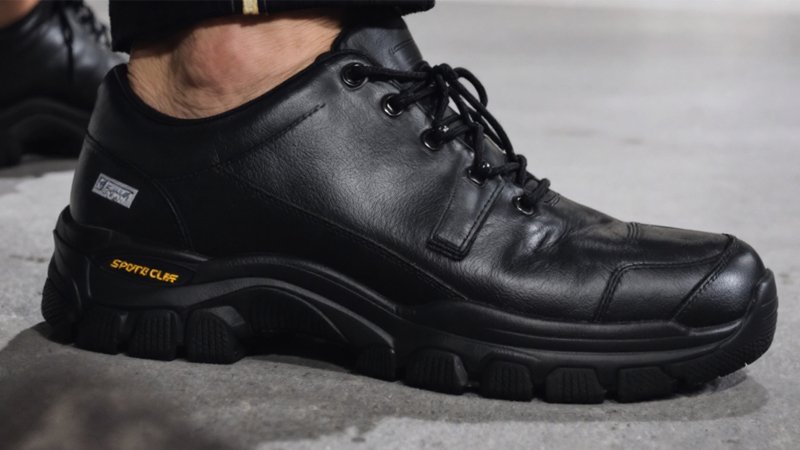
What Is the Rubber Sole Shoes Meaning?
The term refers to footwear that uses rubber as the primary outsole material. The outsole is the bottom part of the shoe that touches the ground.
Rubber soles are known for:
- Strong grip and traction
- Flexibility during movement
- Shock absorption
- Durability on multiple surfaces
Unlike leather or hard plastic soles, rubber offers a balance between firmness and flexibility.
Types of Rubber Used in Shoe Soles
Different types of rubber provide different performance features.
Natural Rubber
Made from latex harvested from rubber trees. It offers flexibility and strong grip.
Synthetic Rubber
Created from petroleum-based materials. It provides durability and resistance to wear.
Carbon Rubber
Often used in athletic shoes for added durability in high-impact areas.
Blown Rubber
Lighter and softer, commonly used in running shoes.
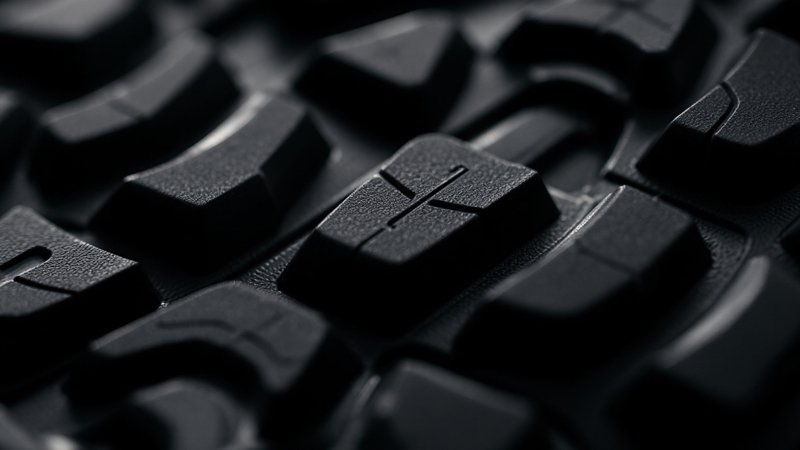
Benefits of Rubber Soles
Excellent Traction
Rubber grips surfaces effectively, reducing slipping.
Shock Absorption
It cushions impact during walking and running.
Flexibility
Rubber bends naturally with foot movement.
Weather Resistance
It performs well in wet and dry conditions.
Because of these features, rubber soles suit both casual and performance footwear.
Rubber Soles vs Leather Soles
| Feature | Rubber Sole | Leather Sole |
|---|---|---|
| Grip | High | Moderate |
| Flexibility | High | Low |
| Water Resistance | Strong | Weak |
| Durability | High | Moderate |
| Best Use | Everyday & active wear | Formal wear |
As a result, rubber soles are more versatile for daily use.
Where Rubber Sole Shoes Perform Best
Shoes with rubber soles are ideal for:
- Walking and commuting
- Work environments
- Sports and training
- Travel and outdoor use
- Rainy weather conditions
Therefore, they remain one of the most practical sole choices.
Comfort and Everyday Wear
Rubber soles feel:
- Stable underfoot
- Flexible during movement
- Cushioned with proper midsole support
However, overall comfort depends on the insole and midsole construction.
Durability and Long-Term Performance
Rubber resists abrasion and surface damage. Instead of wearing down quickly, it maintains structure under repeated use.
With regular wear:
- Traction remains effective
- Sole shape stays consistent
- Performance remains reliable
As a result, rubber-soled footwear lasts longer than many alternatives.
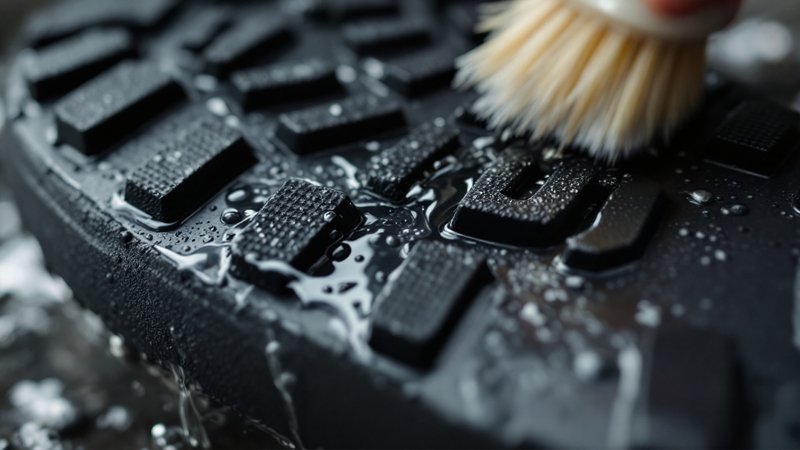
Care Tips for Rubber Sole Shoes
To maintain performance:
- Clean soles with mild soap and water
- Remove dirt from tread patterns
- Avoid extreme heat exposure
- Store in dry conditions
Sustainability Considerations
Rubber can be natural or synthetic. Natural rubber is renewable, while synthetic rubber relies on petroleum.
During an environmental fashion audit, responsibly sourced rubber scores better, especially when combined with durable construction that reduces replacement frequency.
Common Misconceptions
Many people believe:
- Rubber soles are heavy
- Rubber is only for sports shoes
- Rubber wears out quickly
In reality, modern rubber compounds are lightweight, versatile, and long-lasting.
FAQs
Q1: What does rubber sole mean in shoes?
It means the bottom part of the shoe is made primarily from rubber.
Q2: Are rubber sole shoes good for walking?
Yes, they provide grip, flexibility, and comfort.
Q3: Do rubber soles slip?
High-quality rubber offers excellent traction.
Q4: Are rubber soles durable?
Yes, especially carbon or high-density rubber.
Q5: Are rubber sole shoes waterproof?
The sole is water-resistant, but the upper material determines full waterproofing.
Conclusion: A Practical Choice for Everyday Footwear
Understanding the Rubber Sole Shoes Meaning helps buyers recognize why this material dominates modern footwear. Rubber provides grip, flexibility, and durability in one reliable package.
Ultimately, whether you’re choosing daily sneakers or evaluating performance during a detailed fashion audit, rubber soles remain a smart and versatile foundation for quality shoes.