
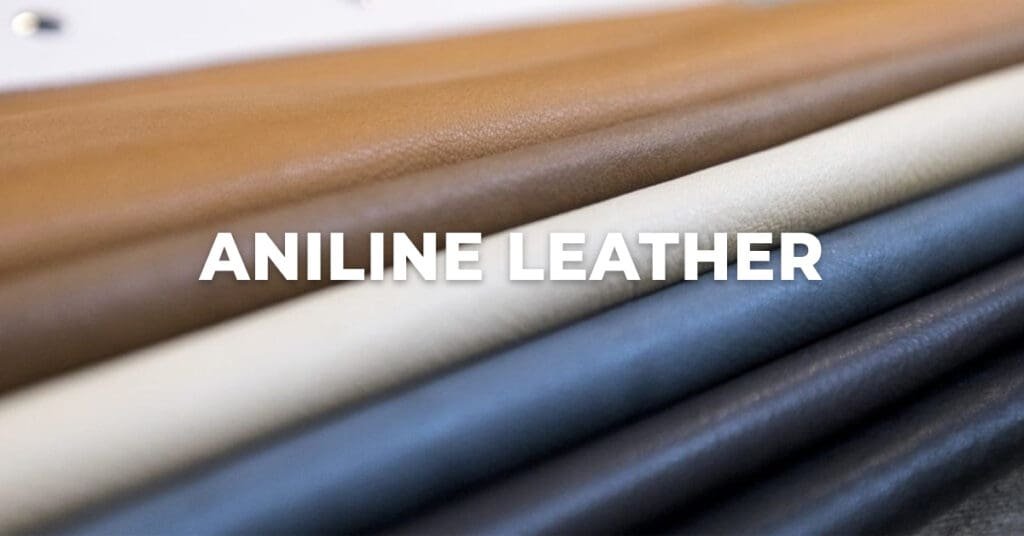
Introduction: Why Natural Leather Finishes Are So Highly Valued
Leather can be heavily treated or left close to its original state. However, few materials showcase authenticity like untreated leather finished with transparent dyes. Aniline Leather is a prime example of this, as it reveals the true grain, texture, and character of the hide.
Moreover, people who appreciate craftsmanship often prefer leather that ages naturally rather than staying perfect forever. As a result, understanding this finish helps you make better material choices—especially when reviewing quality essentials during a thoughtful fashion audit.
What Is Aniline-Finished Leather?
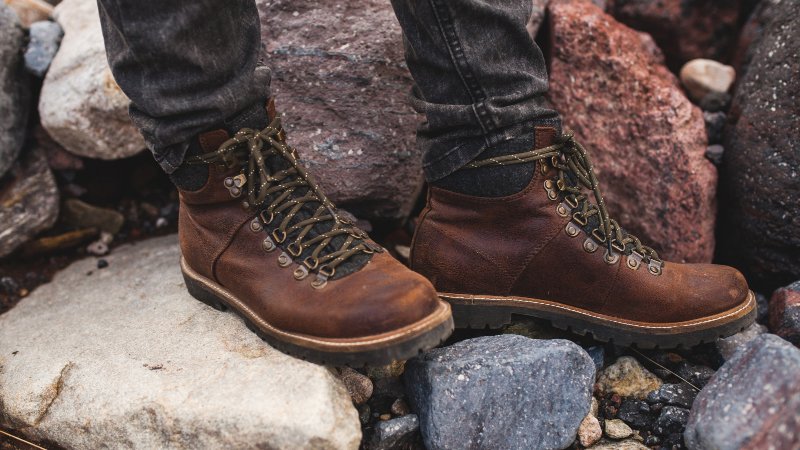
Aniline-finished leather is produced using soluble dyes that penetrate the hide without covering it. Unlike pigmented or coated leather, no thick protective layer is added.
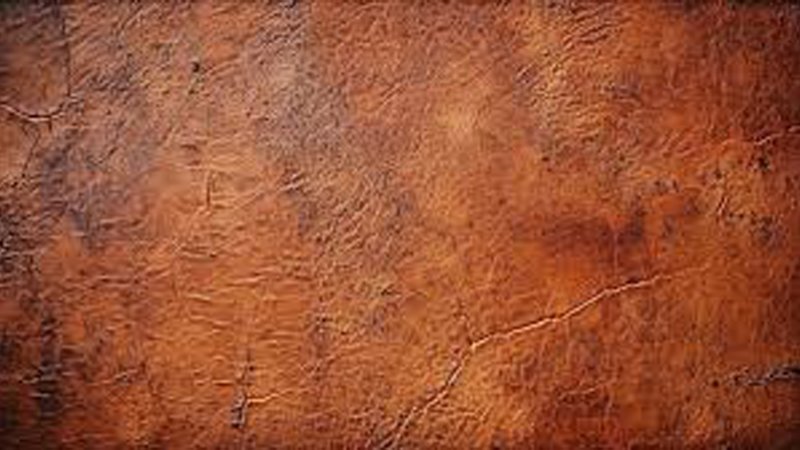
Because the pores remain open, the material feels exceptionally soft and breathable. Therefore, it highlights natural marks, wrinkles, and grain variations rather than hiding them.
How This Natural Leather Is Made
The production process is intentionally minimal:
- Selecting premium hides
- Dyeing with transparent dyes
- Avoiding embossing or heavy coatings
- Preserving the natural surface
As a result, the leather maintains its original structure and flexibility.
Key Characteristics of Untreated Leather Finishes
Authentic Appearance
Natural markings remain visible. This means no two pieces look exactly the same.
Exceptional Softness
Without surface coatings, the leather feels warm and supple from the first touch.
High Breathability
Open pores allow airflow. Consequently, comfort improves during wear.
Greater Sensitivity
Because the surface is unprotected, it absorbs moisture and stains more easily.
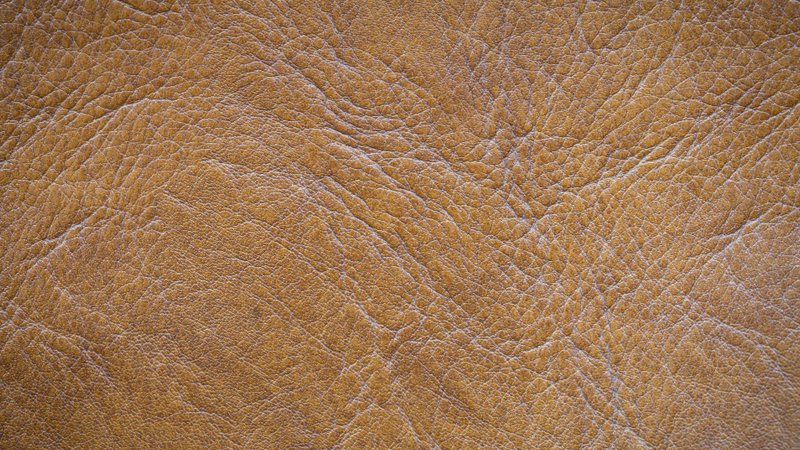
How It Compares to Other Leather Types
| Feature | Natural Aniline Finish | Semi-Aniline | Pigmented Leather |
|---|---|---|---|
| Surface coating | None | Light | Heavy |
| Feel | Very soft | Soft | Firm |
| Look | Natural | Slightly uniform | Highly uniform |
| Durability | Moderate | High | Very high |
| Maintenance | High | Medium | Low |
As a result, this finish prioritizes feel and aesthetics over rugged performance.
Common Uses of This Leather Finish
This type of leather is commonly found in:
- Premium footwear
- Luxury boots
- High-end bags
- Designer accessories
- Upholstery
Therefore, it is closely associated with craftsmanship and luxury markets.
How Natural Leather Ages Over Time
Instead of staying unchanged, this leather evolves. Over time, it develops depth and softness.
With use:
- Color deepens naturally
- Creases appear organic
- Marks blend into patina
As a result, the leather gains character rather than looking worn out.
How to Care for Natural Leather Properly
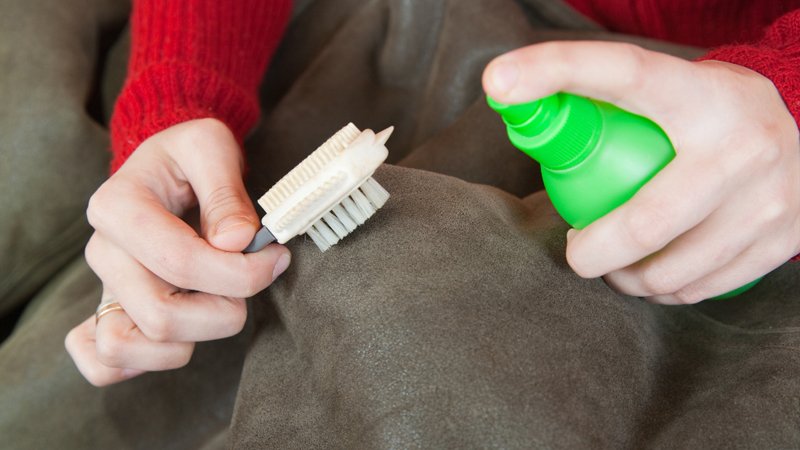
Maintenance should be gentle and minimal. For example:
- Wipe lightly with a dry cloth
- Avoid water exposure
- Condition occasionally with suitable products
- Keep away from direct sunlight
Is This Leather Suitable for Shoes?
Yes—but only for the right lifestyle. Because it lacks a protective layer, it performs best in controlled environments.
Best suited for:
- Premium casual footwear
- Dry-weather use
- Style-focused wear
However, it is not ideal for heavy daily abuse.
When This Leather Finish Is the Right Choice
Choose it if you value:
- Natural texture and softness
- Authentic, uncorrected appearance
- Leather that ages beautifully
- Craftsmanship over convenience
As a result, it strongly appeals to leather purists.
Sustainability Considerations
This leather uses fewer surface chemicals and preserves the hide’s integrity. Because products made from it are often kept longer, replacement cycles decrease.
For this reason, it is frequently evaluated during a responsible fashion audit, where longevity matters more than volume.
Common Mistakes to Avoid
However, many buyers:
- Expect stain resistance
- Use harsh cleaners
- Expose it to moisture
- Skip conditioning
Avoiding these mistakes helps preserve beauty and lifespan.
FAQs
Q1: Is this leather real leather?
Yes, it is made from premium natural hide.
Q2: Is it waterproof?
No, it absorbs moisture easily.
Q3: Is it better than coated leather?
It’s better for softness and look, not durability.
Q4: Does it scratch easily?
Marks appear but blend into patina.
Q5: Is it good for daily footwear?
Only for careful, light use.
Conclusion: Leather in Its Most Honest Form
In conclusion, this natural leather finish represents authenticity at its finest. Its softness, breathability, and graceful aging make it highly desirable for premium footwear and accessories.
Ultimately, whether you’re investing in quality materials or reassessing choices during a thoughtful fashion audit, this type of leather rewards those who value character, craftsmanship, and care.
Disclaimer:
All trademarks, logos, product names, and brand identifiers mentioned on FashionAudit.com are the property of their respective owners. They are used solely for the purpose of product review, comparison, and consumer information. FashionAudit.com does not claim any ownership of these marks.
No copyright or trademark infringement is intended. If any brand or rights holder believes their intellectual property has been misused, they can contact us directly and we will address the issue promptly.