
Introduction: Why Slip-Resistant Soles Matter More Than Ever
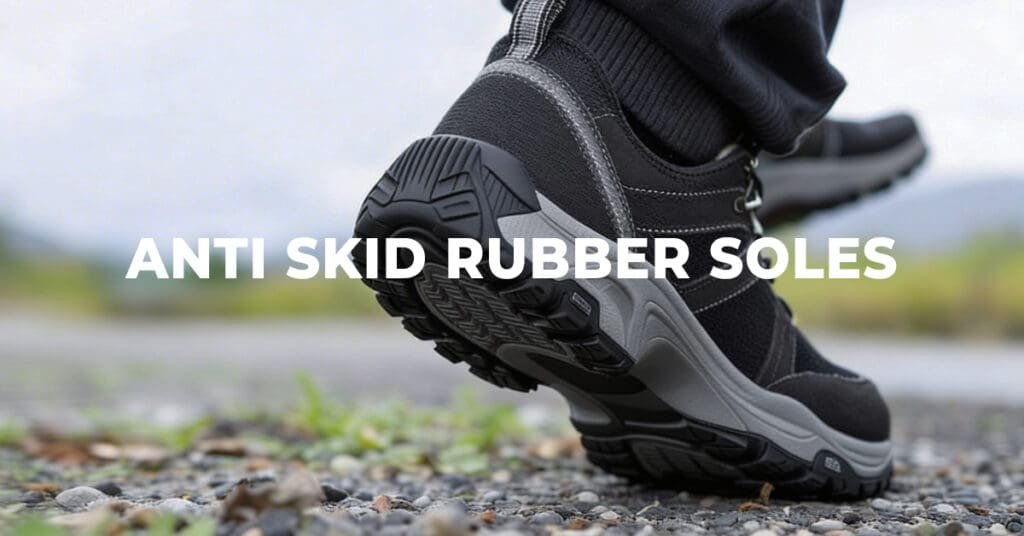
Footwear safety plays a crucial role in daily movement. However, smooth or wet surfaces often increase the risk of slipping. Shoes designed with anti skid rubber soles address this concern by providing improved traction and controlled grip.
Moreover, workplaces, outdoor paths, and rainy conditions demand footwear that supports balance. As a result, understanding skid-resistant outsole materials helps you choose safer shoes—especially when reviewing functionality during a thoughtful fashion audit.
What Is an Anti Skid Rubber Sole?
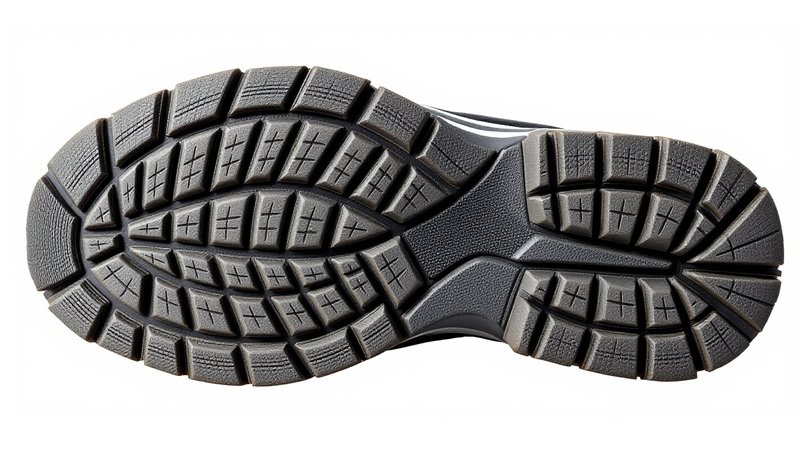
An anti skid rubber sole uses specially engineered rubber compounds and tread patterns to reduce slipping on smooth, wet, or uneven surfaces. Unlike standard rubber, this sole focuses on friction and surface contact.
You’ll commonly find this outsole type in:
- Work and safety shoes
- Outdoor footwear
- Casual daily shoes
- School and uniform footwear
- Rain and all-weather shoes
Because of its grip-focused design, it improves stability during movement.
How Anti Skid Rubber Soles Are Made
Manufacturers enhance grip through:
- Using high-friction rubber compounds
- Designing deep or multi-directional tread patterns
- Vulcanizing rubber for strength
- Testing slip resistance on different surfaces
- Bonding the outsole securely to the shoe
As a result, the sole maintains traction under various conditions.
Key Benefits of Anti Skid Rubber Soles
Improved Slip Resistance
The rubber grips surfaces effectively. Therefore, it reduces the risk of accidental slips.
Better Stability and Balance
Enhanced traction supports confident walking.
Durable Everyday Performance
The rubber resists wear while maintaining grip.
Versatile Use Across Conditions
These soles perform well indoors and outdoors.

Anti Skid Rubber vs Standard Rubber Soles
| Feature | Anti Skid Rubber | Standard Rubber |
|---|---|---|
| Traction | High | Moderate |
| Slip resistance | Excellent | Average |
| Tread design | Deep & directional | Basic |
| Safety | High | Moderate |
| Best use | Wet & smooth surfaces | Dry surfaces |
As a result, skid-resistant soles suit safety-focused footwear better.
Where Anti Skid Rubber Soles Are Commonly Used
Footwear brands often use them in:
- Work and safety footwear
- School shoes
- Outdoor walking shoes
- Rain-ready footwear
- Casual daily shoes
Therefore, this sole type works well where stability matters most.
How Anti Skid Rubber Soles Perform Over Time
These soles maintain grip longer than smooth rubber. Instead of becoming slippery, tread patterns wear gradually.
Over time:
- Grip remains effective
- Tread depth reduces slowly
- Stability stays reliable
As a result, regular inspection helps ensure safety.
Care Tips for Shoes with Anti Skid Rubber Soles
Proper care preserves traction. For example:
- Clean dirt from tread grooves
- Rinse after exposure to mud or oil
- Dry at room temperature
- Avoid prolonged heat exposure

Are Anti Skid Rubber Soles Durable Enough?
Yes, especially for daily and work use. However, durability depends on tread depth and rubber quality.
Best suited for:
- Work environments
- Rainy or wet conditions
- Urban walking
- Everyday safety-focused footwear
They may feel firmer than cushioned soles.
Sustainability Perspective
These soles often use durable rubber compounds that reduce frequent replacement. Some manufacturers now blend recycled rubber into skid-resistant outsoles.
Because of this, footwear with anti-slip rubber soles can perform well during a safety-focused fashion audit, especially when durability and functionality matter.
When Anti Skid Rubber Soles Are the Right Choice
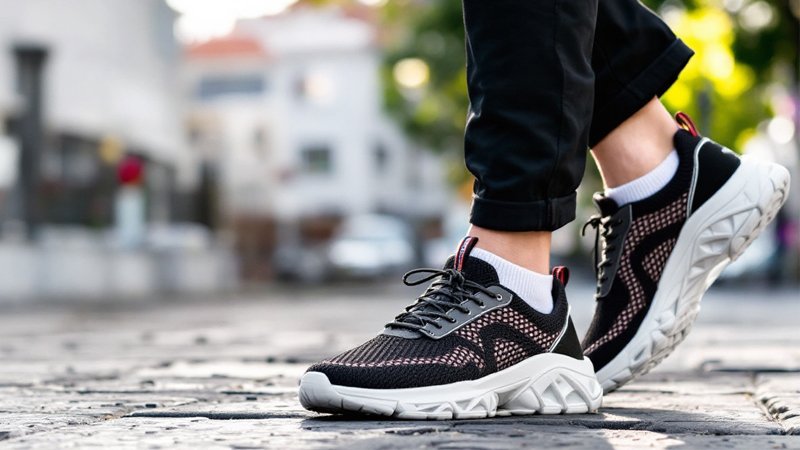
Choose footwear with skid-resistant rubber soles if you want:
- Improved walking safety
- Reliable grip on smooth surfaces
- Stable everyday movement
- Versatile indoor–outdoor use
As a result, these soles fit active and safety-conscious lifestyles.
Common Mistakes to Avoid
However, many people:
- Ignore worn-out tread patterns
- Use skid soles on oily surfaces without cleaning
- Skip regular maintenance
- Expect soft cushioning instead of grip
Avoiding these mistakes improves safety and lifespan.
FAQs
Q1: Do anti skid rubber soles really prevent slipping?
Yes, they significantly improve traction.
Q2: Are they suitable for work shoes?
Yes, they are commonly used in safety footwear.
Q3: Are skid-resistant soles waterproof?
They improve grip but do not make shoes waterproof.
Q4: Can they be used indoors?
Yes, especially on smooth floors.
Q5: Do these soles wear out quickly?
They wear gradually with regular use.
Conclusion: Confident Steps with Reliable Grip
In conclusion, anti skid rubber soles provide enhanced traction, stability, and safety across everyday environments. While they may feel firmer than comfort-focused soles, they excel in slip prevention and controlled movement.
Ultimately, whether you’re choosing work shoes or reviewing outsole performance during a thoughtful fashion audit, skid-resistant rubber soles deliver dependable grip where it matters most.