
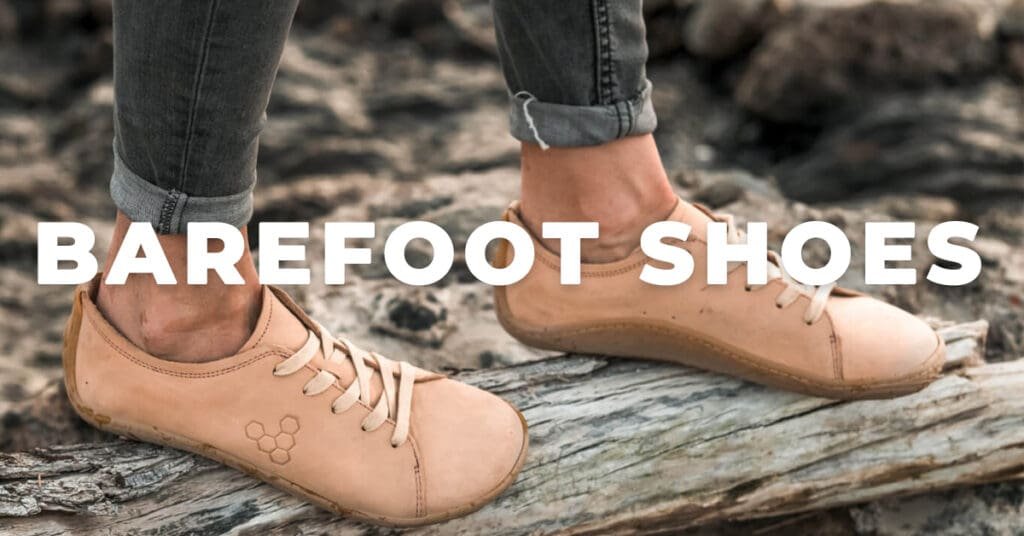
Introduction: Rediscover the Way You Walk
The world of footwear is shifting — from high-tech sneakers to shoes that do something simpler: let your feet move naturally. Barefoot shoes are leading this quiet revolution, bringing us closer to how walking was meant to feel.
They’re light, flexible, and shaped just like your feet. While traditional shoes cushion and control, barefoot footwear allows freedom, balance, and connection to the ground beneath you.
As Fashion Audit notes, 2025 marks a turning point: fashion is rediscovering function, and comfort is becoming a form of confidence.
1. What Are Barefoot Shoes?
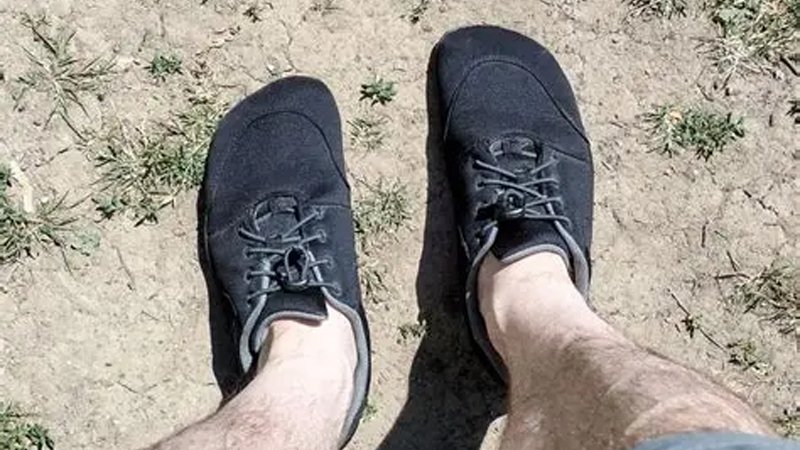
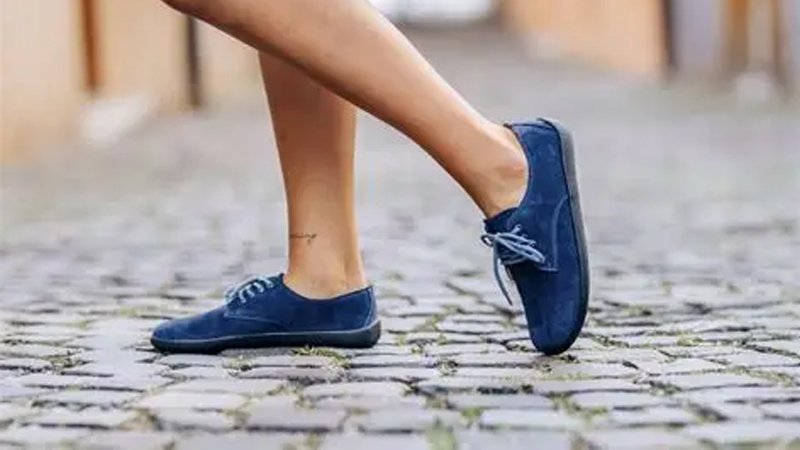
Barefoot shoes are designed to mimic walking barefoot — without losing protection. They have thin, flexible soles and wide toe boxes that allow your feet to spread naturally.
Key Features Include:
- Ultra-thin soles for ground feedback.
- No raised heel (zero-drop structure).
- Lightweight and flexible design.
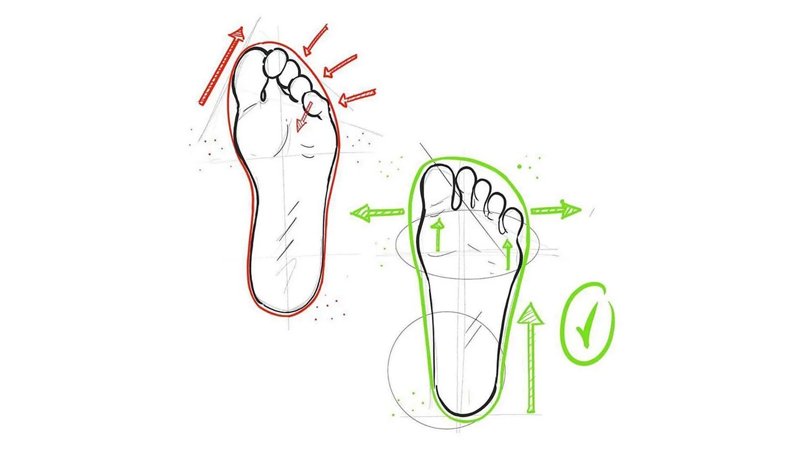
- Roomy toe area for natural movement.
- Minimal cushioning to promote balance.
The goal is simple: help your feet move, flex, and feel as nature intended.
Fashion Audit Insight: Barefoot shoes don’t add; they remove — everything that gets between you and your natural step.
2. The Philosophy Behind Barefoot Footwear
The idea is rooted in biomechanics and simplicity. Humans evolved to walk barefoot, relying on strong muscles and flexible arches. Modern shoes, though protective, often weaken those muscles over time.
Barefoot shoes aim to reverse that — they strengthen, align, and restore natural posture by allowing the feet to work freely.
As Fashion Audit explains, this philosophy also mirrors a broader trend in design: intentional minimalism — where beauty comes from purpose, not excess.
3. The Rise of Barefoot Shoes: From Health to High Fashion
Barefoot footwear started as a health and performance concept but quickly gained fashion relevance.
- Early 2010s: Athletes and runners adopted them for better performance.
- Late 2010s: Wellness and fitness enthusiasts embraced them for posture and strength.
- 2020s–2025: Designers transformed barefoot shoes into sleek, urban fashion staples.
Today, major labels are blending barefoot function with minimalist aesthetics, making them both stylish and smart.
Fashion Audit Note: What began as a wellness choice has evolved into a lifestyle statement.
4. Barefoot Shoes vs Minimalist Shoes
Though both share simplicity, barefoot shoes go one step further toward natural motion.
| Feature | Barefoot Shoes | Minimalist Shoes |
|---|---|---|
| Sole Thickness | Ultra-thin (2–6 mm) | Medium (6–12 mm) |
| Heel Drop | Zero | Slight elevation |
| Arch Support | None | Light structure |
| Toe Space | Wider | Standard |
| Purpose | Natural movement | Lightweight comfort |
Simply put, barefoot shoes feel like a second skin, while minimalist shoes are a more balanced blend of natural and structured design.
5. Health Benefits of Barefoot Footwear
Barefoot shoes are not just about fashion — they’re about function and well-being.
Key Benefits:
- Improved balance and posture due to direct ground contact.
- Stronger foot muscles from increased engagement.
- Better alignment of the knees, hips, and back.
- Natural gait that reduces joint strain.
- Enhanced circulation through unrestricted movement.
Additionally, many wearers report reduced back pain and greater foot flexibility after regular use.
Fashion Audit Observation: True comfort doesn’t come from extra cushioning — it comes from natural balance.
6. Design & Materials: Function Meets Fashion
In 2025, barefoot shoes are proof that smart design doesn’t need complexity. The construction is minimal, but innovation drives every detail.
Common Materials:
- Thin rubber soles for grip and flexibility.
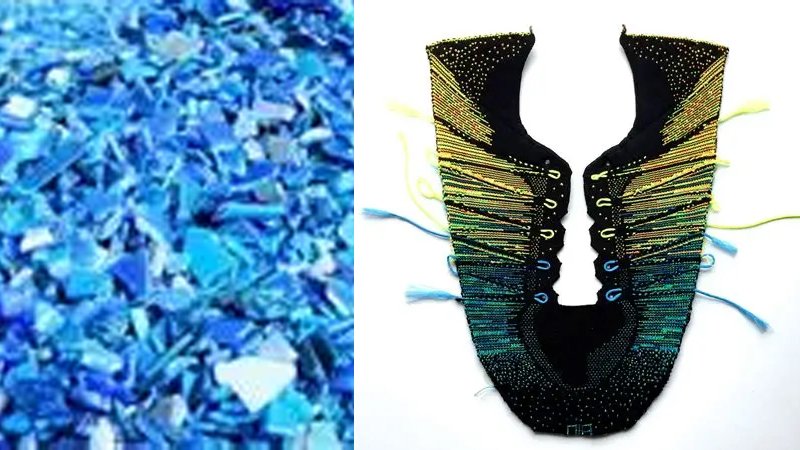
- Mesh or knit uppers for breathability.
- Vegan leather for sustainable style.
- Natural fibers like hemp and organic cotton.
- Elastic laces or slip-on fits for ease of wear.
Moreover, leading brands are combining sustainability with craftsmanship, ensuring every pair feels light, flexible, and eco-conscious.
Fashion Audit Tip: A shoe’s true luxury lies in how little it interferes with your comfort.
7. Styling Barefoot Shoes: From Gym to Streetwear
Once limited to running trails, barefoot footwear is now a versatile wardrobe essential.
For Women:
- Pair neutral slip-on barefoot sneakers with leggings or cropped jeans.
- Style leather-look barefoot flats with midi skirts for a sleek finish.
- Combine sporty pairs with oversized shirts for effortless chic.
For Men:
- Wear knit barefoot sneakers with chinos or tapered pants.
- Match earth-tone models with shorts for relaxed weekends.
- Try black leather barefoot shoes for casual office looks.
Because they’re lightweight and subtle, they complement almost any outfit without stealing attention.
Fashion Audit Note: Barefoot shoes look best when your confidence does the walking.
8. 2025 Trends: Natural Movement Meets Modern Design
In 2025, barefoot shoe trends focus on comfort, sustainability, and urban adaptability.
Leading Trends Include:
- Urban barefoot sneakers with sleek silhouettes.
- Hybrid styles combining barefoot soles with leather uppers.
- Neutral and monochrome color palettes.
- Eco-focused materials like cork, algae foam, and recycled knits.
- Gender-neutral designs for all-day wear.
Furthermore, collaborations between performance brands and fashion houses are pushing barefoot footwear into the global mainstream.
Fashion Audit Forecast: The barefoot trend isn’t just about walking naturally — it’s about living consciously.
9. Real User Reviews: Why People Love Barefoot Shoes
Consumers praise barefoot shoes for how they make walking feel — lighter, freer, and more grounded.
Common Feedback:
- “It feels like my feet finally get to breathe.”
- “I’ve had fewer back and knee pains.”
- “They’re simple, durable, and look great with everything.”
Most agree: once you switch, traditional shoes feel unnatural.
Fashion Audit Insight: The future of footwear is not higher or thicker — it’s closer to the earth.
10. The Verdict: Why Barefoot Shoes Are Here to Stay
Whether you’re chasing better posture, more comfort, or a simpler lifestyle, barefoot shoes deliver all three. They align perfectly with the 2025 mindset: minimal design, mindful living, and maximum comfort.
Fashion Audit’s Recommendation:
- Start with short daily wear to let your feet adjust.
- Choose thin, flexible soles for genuine movement.
- Look for sustainable brands that prioritize natural materials.
As Fashion Audit concludes:
“Barefoot shoes don’t change how you walk — they remind you how walking should feel.”
FAQs About Barefoot Shoes
1. Are barefoot shoes good for beginners?
Yes, but start slowly — let your muscles adapt to natural walking.
2. Can I wear them daily?
Absolutely. Once adjusted, they’re perfect for work, travel, and casual wear.
3. Are barefoot shoes good for running?
Yes, though proper form and gradual transition are essential.
4. Do barefoot shoes really improve posture?
Yes. They encourage alignment and reduce strain on joints.
5. Does Fashion Audit recommend them?
Definitely. Fashion Audit ranks barefoot shoes among 2025’s top trends for both wellness and design.
Conclusion: Freedom, Reimagined
In 2025, barefoot shoes represent a quiet revolution — fashion that returns to nature. They’re not just about minimalism; they’re about mindfulness.
As Fashion Audit beautifully sums it up:
“True progress doesn’t always mean adding more — sometimes, it’s about going back to what works best.”
Disclaimer:
All trademarks, logos, product names, and brand identifiers mentioned on FashionAudit.com are the property of their respective owners. They are used solely for the purpose of product review, comparison, and consumer information. FashionAudit.com does not claim any ownership of these marks.
No copyright or trademark infringement is intended. If any brand or rights holder believes their intellectual property has been misused, they can contact us directly and we will address the issue promptly.