
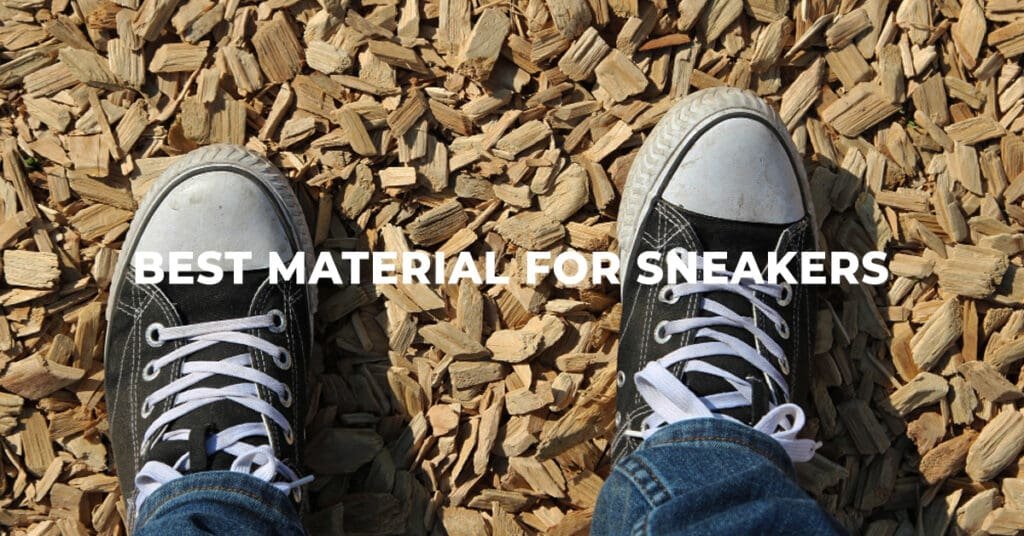
Introduction: Why Choosing the Best Material for Sneakers Matters
Sneakers are no longer just sports shoes. Today, they are worn for walking, travel, work-from-home routines, and casual outings. However, what truly decides how sneakers feel and perform is the material used to make them.
In fact, the wrong material can cause sweating, discomfort, or quick wear. As a result, understanding the best material for sneakers helps you make smarter choices—especially when reviewing everyday footwear during a seasonal fashion audit, where comfort and practicality matter just as much as style.

What Makes a Sneaker Material the “Best”?
There is no single material that works perfectly for everyone. Instead, the best option depends on how the sneakers will be used.
Key factors include:
- Breathability
- Comfort and flexibility
- Durability
- Weight
- Climate suitability
Therefore, the best material for sneakers is one that balances comfort, airflow, and long-term wear.
Best Upper Materials for Sneakers
Mesh Material
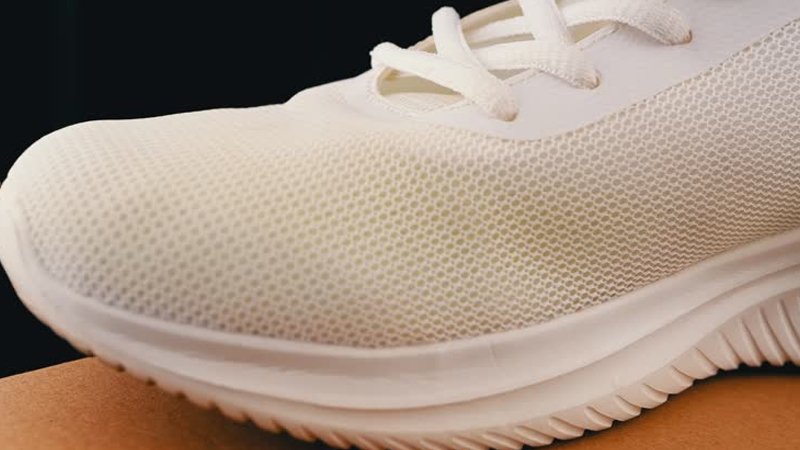
Mesh is widely considered one of the best materials for sneakers. Because it allows airflow, it keeps feet cool and reduces sweating.
Why Mesh Works Well:
- Highly breathable
- Lightweight
- Comfortable for long wear
Best For:
Running sneakers, walking shoes, daily-use sneakers
Knit & Flyknit Materials
Knit uppers provide a sock-like fit. As a result, they adapt well to foot movement and reduce pressure points.
Why Knit Works Well:
- Stretchable and flexible
- Lightweight
- Modern, stylish look
Best For:
Lifestyle sneakers, casual wear, travel sneakers
Leather Material
Leather offers durability and a premium appearance. Although it is less breathable than mesh, it lasts longer and looks stylish.
Why Leather Works Well:
- Durable and strong
- Structured fit
- Easy to clean
Best For:
Casual sneakers, fashion sneakers, office-friendly styles

Synthetic Materials
Synthetic uppers are engineered alternatives to leather. Therefore, they are affordable and often water-resistant.
Why Synthetic Works Well:
- Budget-friendly
- Low maintenance
- Suitable for varied conditions
Best For:
Everyday sneakers, school shoes, travel footwear
Best Materials for Sneaker Soles
Rubber Soles
Rubber is considered the best sole material for sneakers. Because of its grip and flexibility, it provides stability on different surfaces.
Best For:
Daily wear, sports sneakers, outdoor use
EVA (Ethylene Vinyl Acetate)
EVA midsoles provide cushioning. As a result, they reduce foot fatigue during long walks.
Best For:
Walking sneakers, lifestyle shoes, running footwear

Sustainable Materials: The Future of Sneakers
Meanwhile, sustainability is shaping sneaker design. Brands now use recycled plastic mesh, plant-based leather, algae foam, and recycled rubber.
Not only do these materials reduce environmental impact, but they also deliver comfort and durability. Therefore, sustainable options are increasingly seen as the best material for sneakers by conscious buyers.

How to Choose the Best Material for Sneakers
Based on Usage
- Daily wear: Mesh or knit with EVA sole
- Sports & running: Mesh with rubber sole
- Casual & fashion wear: Leather or premium synthetic
- Travel: Knit or mesh with cushioned sole
Based on Climate
- Hot weather: Mesh or breathable knit
- Rainy conditions: Synthetic or coated leather
- Cold weather: Leather with lining
Most importantly, always try sneakers and walk in them before buying.
Common Mistakes When Choosing Sneaker Materials
However, many buyers:
- Choose style over breathability
- Ignore sole cushioning
- Buy heavy materials for daily wear
- Forget climate conditions
As a result, sneakers feel uncomfortable and wear out faster.
FAQs: Best Material for Sneakers
Q1: What is the best material for sneakers overall?
Mesh is best for comfort and breathability, while leather is best for durability and style.
Q2: Are knit sneakers good for daily use?
Yes, they are lightweight and flexible for everyday wear.
Q3: Are leather sneakers comfortable?
Yes, especially for casual wear, though they are less breathable.
Q4: Are sustainable sneaker materials durable?
Yes. Modern eco materials match traditional performance.
Q5: Which material is best for hot weather?
Mesh and breathable knit materials work best.
Conclusion: The Best Sneakers Start With the Right Materials
In conclusion, choosing the best material for sneakers depends on comfort, breathability, durability, and daily use. Instead of focusing only on design, understanding materials ensures better foot support and long-term satisfaction.
Ultimately, whether you’re upgrading your collection or reviewing essentials during a thoughtful fashion audit, selecting the right sneaker material leads to healthier feet and smarter style choices.

Disclaimer:
All trademarks, logos, product names, and brand identifiers mentioned on FashionAudit.com are the property of their respective owners. They are used solely for the purpose of product review, comparison, and consumer information. FashionAudit.com does not claim any ownership of these marks.
No copyright or trademark infringement is intended. If any brand or rights holder believes their intellectual property has been misused, they can contact us directly and we will address the issue promptly.