
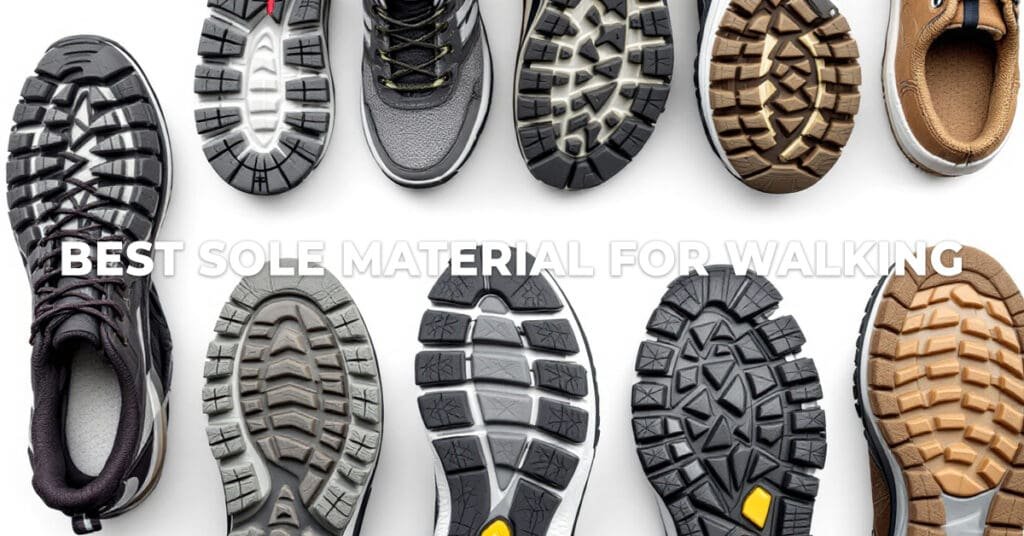
Introduction: Why Sole Material Matters for Walking
If you walk daily—whether for exercise, commuting, or work—the sole of your shoe plays a huge role in comfort and foot health. Choosing the best sole material for walking helps reduce fatigue, absorb impact, and improve stability.
Every step creates pressure on your heels, arches, and knees. A poorly designed sole can lead to discomfort, joint strain, or even long-term issues. During footwear performance testing and detailed fashion audits, experts carefully evaluate sole cushioning, flexibility, grip, and durability before recommending walking shoes.
Let’s explore the most reliable sole materials and how they perform in real-life conditions.
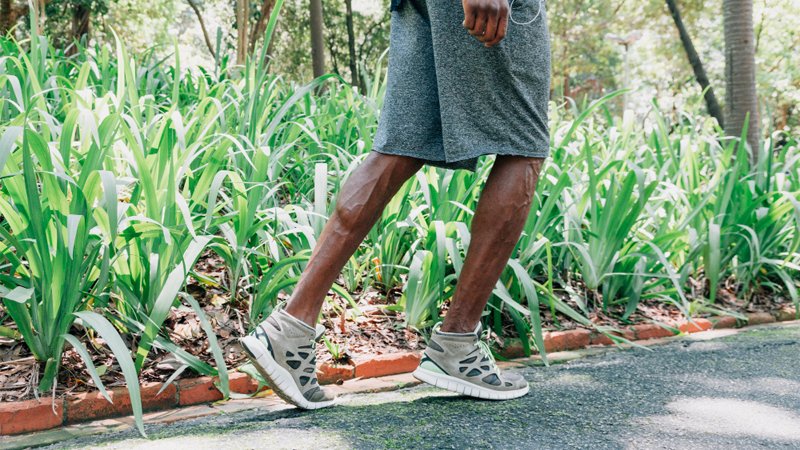
1️⃣ EVA (Ethylene Vinyl Acetate): Lightweight Cushioning
EVA remains one of the most popular choices in walking shoes.
Why EVA Works:
- Lightweight construction
- Excellent shock absorption
- Flexible structure
- Affordable pricing
EVA compresses under pressure and quickly rebounds. This reduces impact on joints and improves walking comfort.
Best for: Daily walking, travel, light workouts.
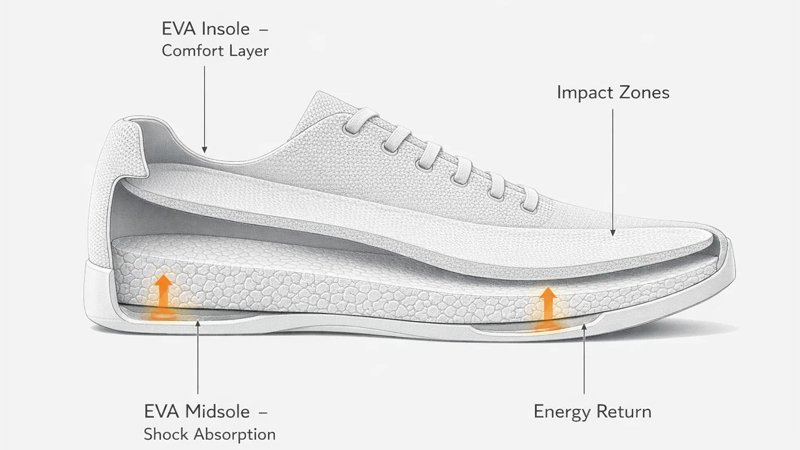
2️⃣ PU (Polyurethane): Long-Lasting Support
PU soles offer stronger durability than EVA.
Key Benefits:
- High abrasion resistance
- Better long-term shape retention
- Good shock absorption
- Suitable for heavier use
PU feels slightly firmer but maintains support for longer periods. Many orthopedic-style walking shoes use PU midsoles.
Best for: Long-distance walking, work shoes, heavier individuals.
3️⃣ Rubber Sole: Superior Grip
Rubber works well as an outsole material.
Advantages:
- Excellent traction
- Durable on rough surfaces
- Slip resistance
- Weather-resistant
Rubber does not usually provide cushioning alone, but when paired with EVA or PU midsoles, it improves stability.
4️⃣ Phylon Sole: Enhanced EVA Performance
Phylon is a compressed EVA variant.
Why It’s Popular:
- Lightweight
- Softer cushioning
- Flexible feel
- Improved energy return
Many sports walking shoes use Phylon midsoles for added comfort.
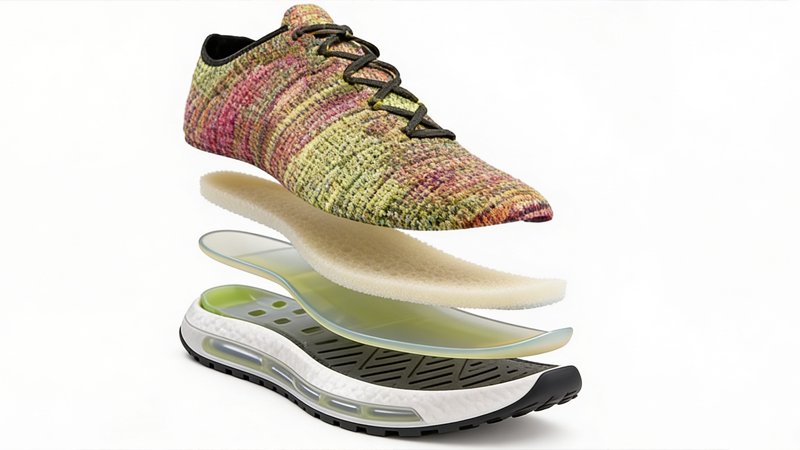
5️⃣ TPU (Thermoplastic Polyurethane): Stability and Bounce
TPU offers strong structure and responsiveness.
Benefits:
- High durability
- Excellent stability
- Better energy return
- Resistant to wear
Manufacturers often use TPU in performance walking or hybrid running shoes.
6️⃣ Memory Foam Insoles (Support Layer)
While not a sole material alone, memory foam improves step comfort.
Key Features:
- Conforms to foot shape
- Reduces pressure points
- Enhances comfort for casual walking
For daily city walking, combining EVA or PU sole with memory foam insole works well.
Quick Comparison Table
| Sole Material | Cushioning | Durability | Flexibility | Best For |
|---|---|---|---|---|
| EVA | High | Moderate | High | Daily walking |
| PU | Moderate | High | Moderate | Long-distance |
| Rubber | Low (alone) | High | Moderate | Traction |
| Phylon | High | Moderate | High | Sports walking |
| TPU | Moderate | Very High | Moderate | Stability-focused |
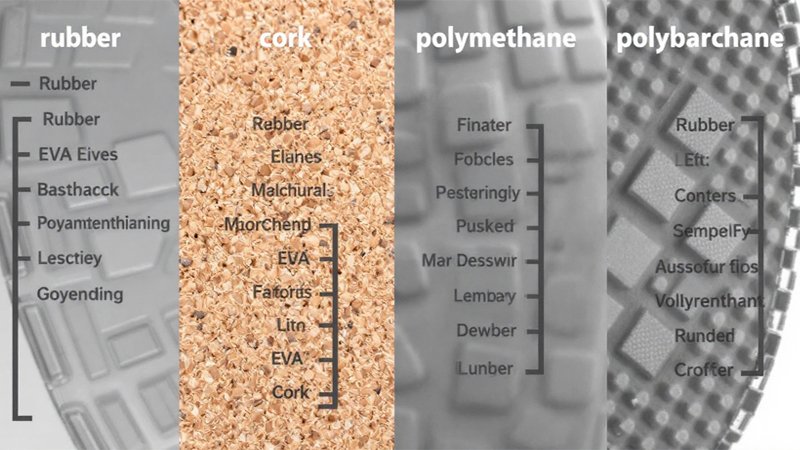
How to Choose the Best Sole for Your Needs
🔹 For Everyday Casual Walking:
EVA or Phylon provides lightweight comfort.
🔹 For Long-Distance Walking:
PU offers better long-term support.
🔹 For Wet or Slippery Surfaces:
Rubber outsoles improve grip.
🔹 For Stability and Performance:
TPU adds structure and durability.
The best sole material for walking depends on usage, body weight, and walking surface.
Common Buying Mistakes
Many buyers:
- Focus only on brand name
- Ignore sole thickness
- Choose overly soft soles without support
- Forget traction needs
Comfort requires balance between cushioning and stability.
Expert Recommendation
Footwear specialists recommend multi-layer sole construction. A walking shoe that combines:
- EVA or PU midsole
- Rubber outsole
- Supportive insole
often delivers the best overall performance.
According to the American Podiatric Medical Association (APMA), proper cushioning and shock absorption reduce strain during prolonged walking.
Learn more at: https://www.apma.org
FAQs
1. What is the best sole material for walking long distances?
PU soles generally offer better long-term durability.
2. Is EVA good for walking?
Yes, EVA provides lightweight cushioning for daily use.
3. Which sole is best for knee pain?
Shoes with good shock absorption, such as EVA or PU, help reduce impact.
4. Are rubber soles comfortable for walking?
Rubber improves grip but needs cushioning underneath.
5. Is soft sole always better?
Not always. Too much softness can reduce support.
6. What is better, EVA or PU for walking?
EVA feels lighter; PU lasts longer.
Conclusion: Comfort Starts from the Bottom
Choosing the best sole material for walking ensures comfort, safety, and long-term foot health. EVA works well for lightweight daily use, PU offers durability for long distances, and rubber enhances traction. For maximum comfort, look for shoes that combine multiple materials.
Walk smarter by selecting the right sole—and your feet will thank you every step of the way.
Disclaimer:
All trademarks, logos, product names, and brand identifiers mentioned on FashionAudit.com are the property of their respective owners. They are used solely for the purpose of product review, comparison, and consumer information. FashionAudit.com does not claim any ownership of these marks.
No copyright or trademark infringement is intended. If any brand or rights holder believes their intellectual property has been misused, they can contact us directly and we will address the issue promptly.