
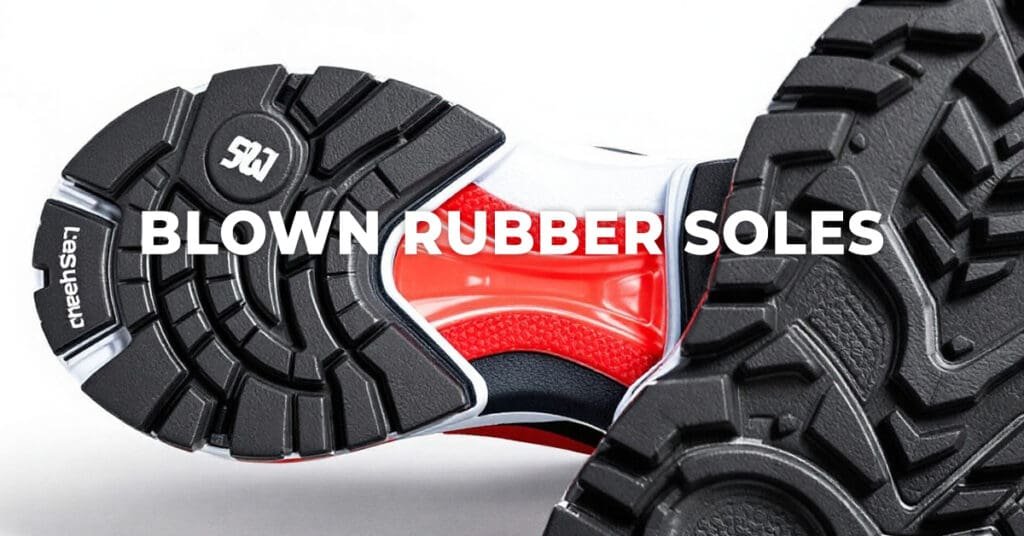
Introduction: Why Lightweight Rubber Outsoles Are So Popular
Modern footwear focuses heavily on comfort and flexibility. However, not all outsole materials deliver softness without adding weight. Blown rubber outsoles have gained popularity because they feel light, cushioned, and responsive underfoot.
Moreover, many casual and athletic shoes rely on this outsole type to improve comfort during long wear. As a result, understanding blown rubber helps you choose shoes designed for ease of movement—especially when evaluating comfort during a thoughtful fashion audit.
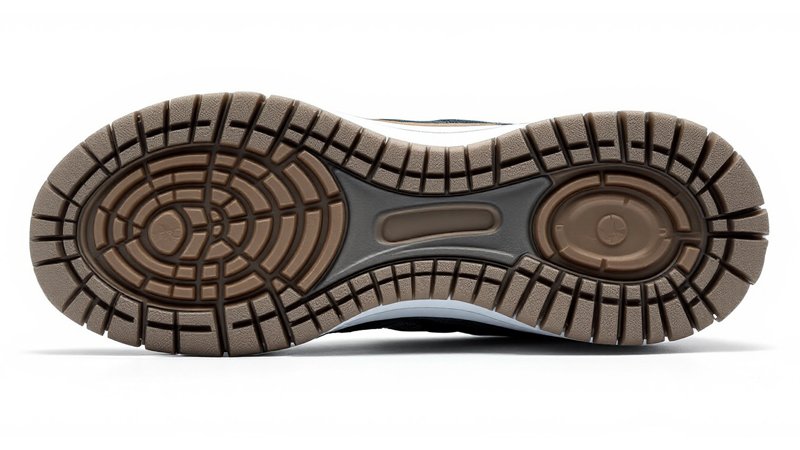
What Is a Blown Rubber Outsole?
A blown rubber outsole uses rubber mixed with air during manufacturing, creating a lighter and softer material than solid rubber. Unlike dense rubber, this air-injected structure improves cushioning and flexibility.
You’ll often find this outsole material in:
- Running shoes
- Walking shoes
- Casual sneakers
- Training footwear
- Comfort-focused lifestyle shoes
Because the rubber contains air pockets, it compresses easily under pressure.
How Blown Rubber Outsoles Are Made
Manufacturers create blown rubber soles through:
- Mixing rubber compounds with blowing agents
- Heating the mixture to create air bubbles
- Vulcanizing the rubber for structure
- Molding tread patterns and shapes
- Bonding the outsole to the midsole
As a result, the outsole achieves softness without excessive weight.
Key Benefits of Blown Rubber Outsoles
Lightweight Feel
Air-injected rubber significantly reduces overall shoe weight.
Soft Cushioning
The material compresses underfoot, improving comfort.
Flexible Movement
Blown rubber bends easily with natural foot motion.
Good Everyday Traction
Tread designs provide stable grip for casual use.
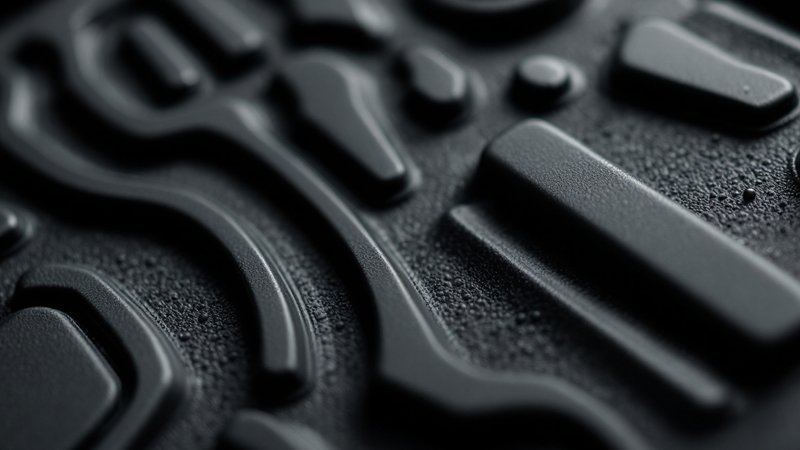
Blown Rubber vs Carbon Rubber Outsoles
| Feature | Blown Rubber | Carbon Rubber |
|---|---|---|
| Weight | Very light | Heavier |
| Cushioning | Soft | Firm |
| Flexibility | High | Moderate |
| Durability | Moderate | Very high |
| Best use | Comfort & flexibility | High-wear zones |
As a result, manufacturers often combine both in one outsole design.
Where Blown Rubber Outsoles Are Commonly Used
Footwear brands frequently use this outsole type in:
- Running shoe forefoot sections
- Walking and comfort shoes
- Lightweight trainers
- Casual daily sneakers
- Travel-friendly footwear
Therefore, it works best in low- to moderate-impact use.
How Blown Rubber Outsoles Perform Over Time
Blown rubber compresses gradually. Instead of wearing down immediately, it loses cushioning slowly with heavy use.
Over time:
- Softness decreases slightly
- Flexibility remains good
- Tread wears faster than dense rubber
As a result, usage intensity affects lifespan.
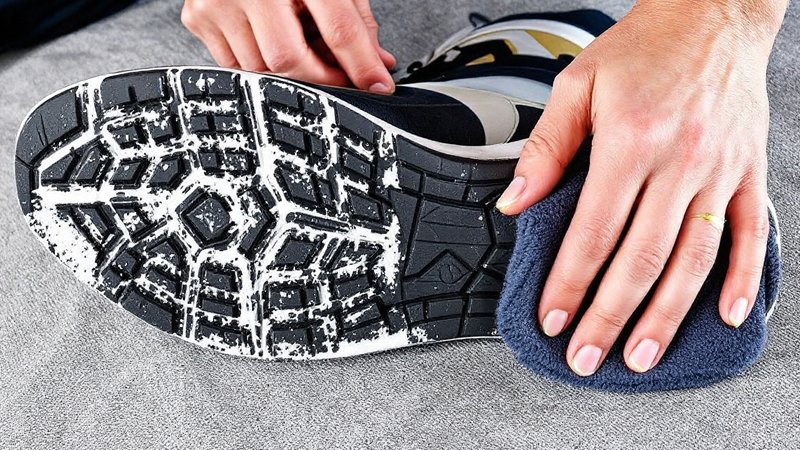
How to Care for Shoes with Blown Rubber Outsoles
Proper care helps preserve cushioning. For example:
- Clean dirt with a soft brush
- Avoid abrasive surfaces when possible
- Dry shoes at room temperature
- Store away from extreme heat
Are Blown Rubber Outsoles Durable Enough?
Yes, for comfort-focused footwear. However, they wear faster than dense rubber in high-friction zones.
Best suited for:
- Running and walking
- Daily casual wear
- Travel and commuting
- Lightweight athletic use
They are not ideal for heavy-duty or industrial environments.
Sustainability Perspective
Blown rubber uses synthetic compounds and is not biodegradable. However, reduced material density lowers overall rubber usage per sole.
Because of this, shoes with lightweight rubber outsoles may score moderately during a comfort-focused fashion audit, especially when reduced weight and material efficiency matter.

When Blown Rubber Outsoles Are the Right Choice
Choose footwear with this outsole type if you want:
- Lightweight comfort
- Flexible movement
- Soft underfoot feel
- Everyday wearability
As a result, blown rubber outsoles fit relaxed and active lifestyles.
Common Mistakes to Avoid
However, many people:
- Expect extreme durability
- Use shoes on rough terrain
- Skip regular cleaning
- Expose soles to high heat
Avoiding these mistakes extends performance.
FAQs
Q1: Are blown rubber outsoles comfortable?
Yes, they provide soft cushioning.
Q2: Are they durable?
Moderately; less durable than carbon rubber.
Q3: Are they good for running shoes?
Yes, especially for comfort-focused designs.
Q4: Do they provide good grip?
Yes, for everyday surfaces.
Q5: Are blown rubber soles lightweight?
Yes, they significantly reduce shoe weight.
Conclusion: Soft Cushioning for Everyday Movement
In conclusion, blown rubber outsoles deliver lightweight comfort, flexibility, and smooth walking performance. While they don’t match carbon rubber for durability, they excel in cushioning and ease of wear.
Ultimately, whether you’re choosing daily sneakers or reviewing comfort-focused materials during a thoughtful fashion audit, blown rubber offers a balanced blend of softness and practicality.