
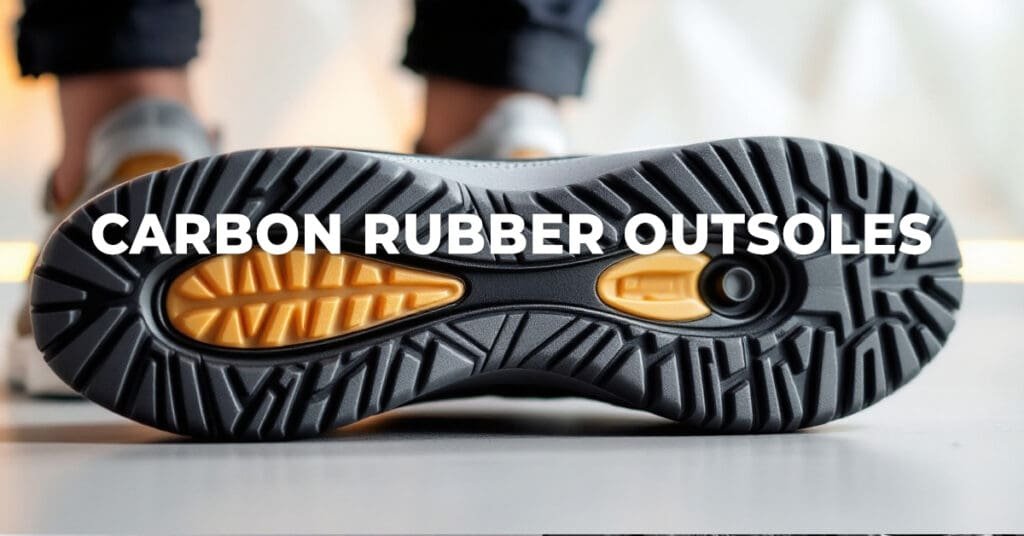
Introduction: Why Carbon Rubber Is Used in Performance Footwear
Shoe outsoles endure constant friction, impact, and surface contact. However, not all rubber compounds handle heavy wear equally well. Carbon rubber outsoles stand out because they offer exceptional abrasion resistance, strong grip, and long-term durability.
Moreover, athletic and high-use footwear often relies on this material to extend shoe life. As a result, understanding carbon-infused rubber helps you choose footwear built for performance—especially when evaluating durability during a thoughtful fashion audit.
What Is a Carbon Rubber Outsole?
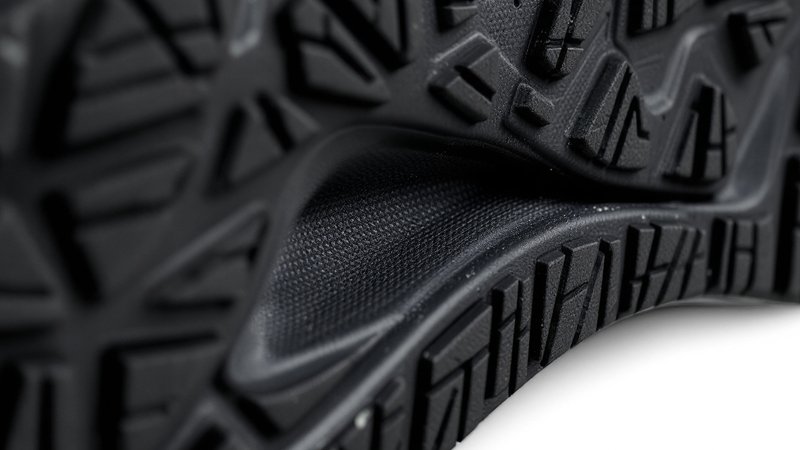
A carbon rubber outsole uses rubber compounds reinforced with carbon black, a material that significantly improves wear resistance and strength. Unlike standard rubber, carbon-infused rubber handles repeated ground contact without breaking down quickly.
You’ll commonly find this outsole material in:
- Running shoes
- Training footwear
- Sports sneakers
- Outdoor lifestyle shoes
- High-wear heel and forefoot zones
Because carbon strengthens the rubber, it performs well in impact-heavy areas.
How Carbon Rubber Outsoles Are Made
Manufacturers produce carbon-based rubber soles through:
- Mixing rubber with carbon black
- Vulcanizing the compound for strength
- Molding outsole shapes and tread patterns
- Reinforcing high-impact zones
- Bonding the outsole to the midsole
As a result, the outsole gains toughness without losing traction.
Key Benefits of Carbon Rubber Outsoles
Exceptional Abrasion Resistance
Carbon reinforcement slows down wear in high-friction areas.
Reliable Traction
The material grips roads, tracks, and gym floors effectively.
Longer Shoe Lifespan
Shoes last longer due to reduced outsole erosion.
Stable Ground Contact
Carbon rubber maintains shape under pressure.

Carbon Rubber vs Blown Rubber Outsoles
| Feature | Carbon Rubber | Blown Rubber |
|---|---|---|
| Durability | Very high | Moderate |
| Abrasion resistance | Excellent | Lower |
| Weight | Heavier | Lighter |
| Cushioning | Firm | Softer |
| Grip | Strong | Good |
| Best use | High-wear zones | Flex and comfort zones |
As a result, manufacturers often combine both materials in one outsole.
Where Carbon Rubber Outsoles Are Commonly Used
Brands frequently use carbon-infused rubber in:
- Running shoe heel areas
- Training and gym shoes
- Sports footwear
- Outdoor casual sneakers
- Long-wear daily shoes
Therefore, this outsole material suits demanding movement patterns.
How Carbon Rubber Outsoles Perform Over Time
Carbon rubber ages slowly. Instead of wearing smooth quickly, it retains tread depth longer.
Over time:
- Grip remains reliable
- Abrasion stays minimal
- Surface polish increases gradually
As a result, shoes maintain performance across extended use.
How to Care for Shoes with Carbon Rubber Outsoles
Simple care keeps outsoles performing well. For example:
- Rinse dirt after use
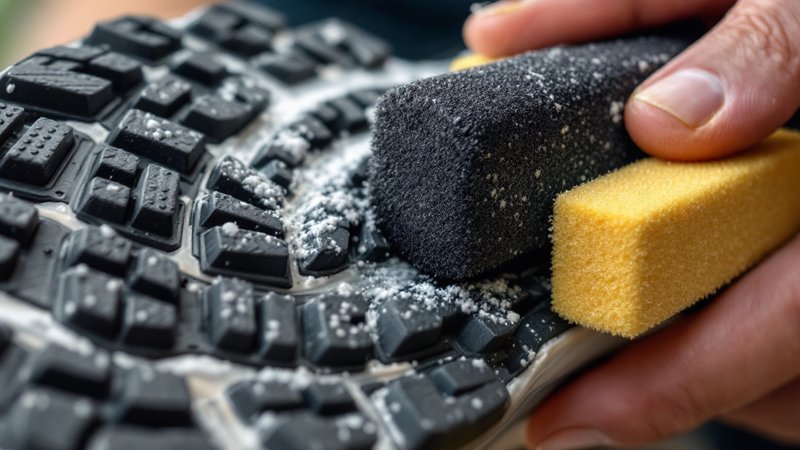
- Clean grooves with a soft brush
- Avoid prolonged exposure to heat
- Store shoes in dry conditions
Are Carbon Rubber Outsoles Comfortable?
Carbon rubber focuses on durability rather than softness. However, when paired with cushioned midsoles, it delivers excellent overall comfort.
Best suited for:
- Running and training
- Daily walking with high mileage
- Outdoor urban use
- Performance-oriented footwear
It may feel firmer than lightweight foam-based soles.
Sustainability Perspective
Carbon rubber lasts longer than many softer outsole materials, which reduces replacement frequency. However, it relies on synthetic compounds and is not biodegradable.
Because of this, footwear with carbon rubber components may score well during a durability-focused fashion audit, especially when longevity outweighs material origin.
When Carbon Rubber Outsoles Are the Right Choice
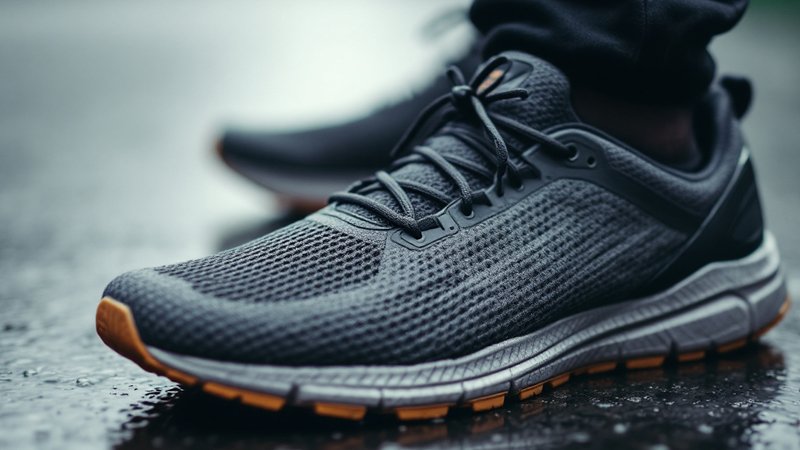
Choose footwear with carbon-reinforced rubber outsoles if you want:
- Maximum wear resistance
- Reliable traction
- Long-lasting performance
- Shoes built for frequent use
As a result, this outsole type works best for high-impact and high-mileage activities.
Common Mistakes to Avoid
However, many people:
- Expect ultra-soft cushioning from the outsole
- Use performance shoes only indoors
- Ignore tread cleaning
- Store shoes in hot environments
Avoiding these mistakes helps preserve outsole performance.
FAQs
Q1: Are carbon rubber outsoles durable?
Yes, they offer excellent abrasion resistance.
Q2: Are they slippery?
No, they provide strong traction on most surfaces.
Q3: Are carbon rubber soles heavy?
They are slightly heavier than blown rubber.
Q4: Are they good for running shoes?
Yes, especially in heel strike areas.
Q5: Do they last longer than normal rubber?
Yes, significantly longer in high-wear zones.
Conclusion: Built for Wear, Stability & Performance
In conclusion, carbon rubber outsoles deliver exceptional durability, dependable grip, and long-term performance. While they feel firmer than softer rubber types, they excel where wear resistance matters most.
Ultimately, whether you’re choosing athletic footwear or reviewing outsole durability during a thoughtful fashion audit, carbon-infused rubber provides strength and reliability built for movement.