
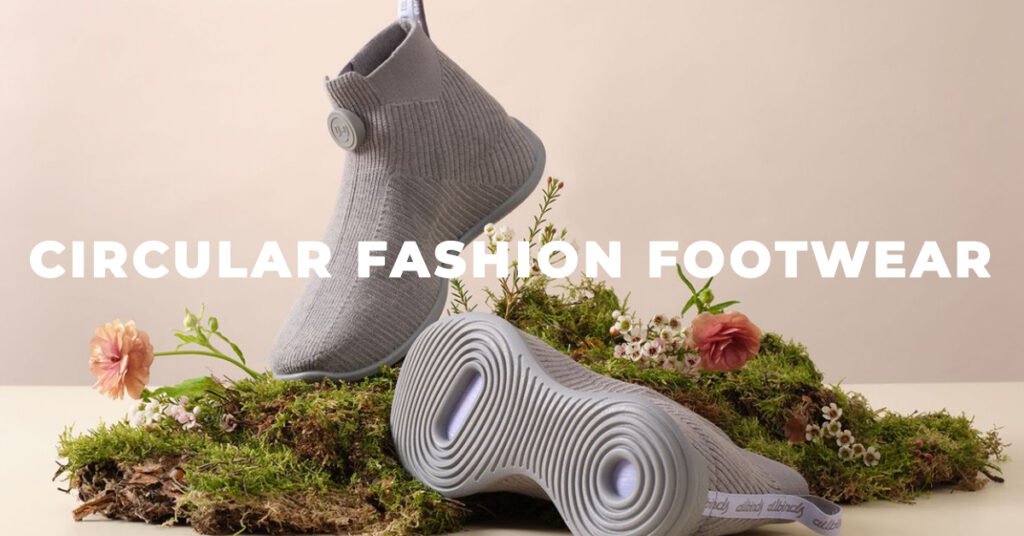
Introduction: Why Circular Fashion Matters in Footwear
The footwear industry is undergoing a major transformation, and sustainability is at the heart of it. Shoes have traditionally been difficult to recycle, leading to massive landfill waste every year. But the rise of Circular Fashion Footwear is changing that story. These shoes are designed to be reused, repaired, or fully recycled—making the footwear industry cleaner, smarter, and more responsible.
As Fashion Audit explains,
“Circular footwear challenges the old buy-and-dispose culture by giving every shoe a longer and greener life.”
What Is Circular Fashion Footwear?
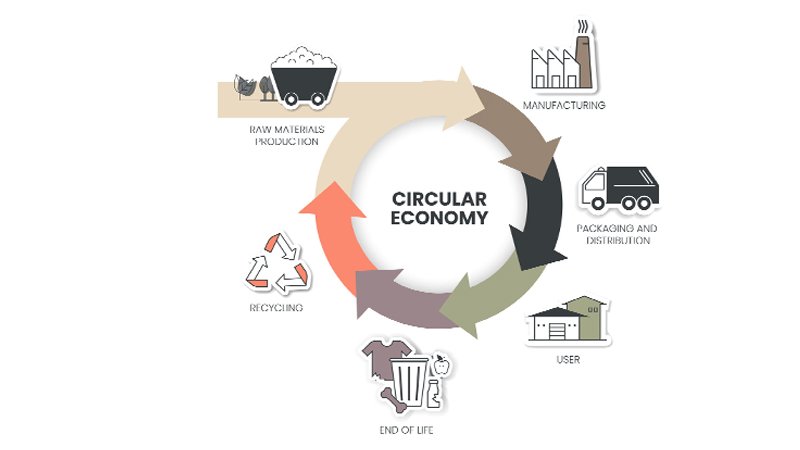
Circular footwear follows a system where shoes are created, used, collected, and reprocessed into new products—all without creating waste.
Key Principles of Circular Footwear
- Designed for recycling
- Made with eco-friendly materials
- Long-lasting durability
- Repair and replacement options
- End-of-life collection programs
Difference Between Circular & Traditional Footwear
| Traditional Shoes | Circular Fashion Shoes |
|---|---|
| Hard to recycle | Created for easy recycling |
| Made using multiple glued layers | Modular, repairable, or single-material |
| Short lifespan | Designed for longevity |
| Wasteful end-of-life | Returned & repurposed |
Circular footwear transforms waste into new beginnings.
Why Circular Fashion Footwear Is Growing in 2025
Rising Climate Awareness
Consumers are more conscious of the environmental impact of fashion.
Demand for Long-Lasting Shoes
People want shoes that last longer and can be repaired easily.
Government & Global Sustainability Push
Policies encouraging recycling and reduced carbon footprints support circular models.
Circular footwear is now a practical and powerful solution.
How Circular Footwear Works
Recycled Material Usage
Shoes are made from materials such as recycled plastics, rubber, and fabrics.
Repairable & Replaceable Parts
Users can repair or replace components like insoles or soles instead of discarding entire shoes.
End-of-Life Take-Back Programs
Brands collect old shoes, recycle materials, and create new footwear from them.
This loop reduces waste and maximizes lifespan—key pillars of Circular Fashion Footwear.
Materials Used in Circular Fashion Footwear
Recycled Plastics
PET bottles and ocean plastics become shoe uppers and fibers.
Plant-Based Fibers
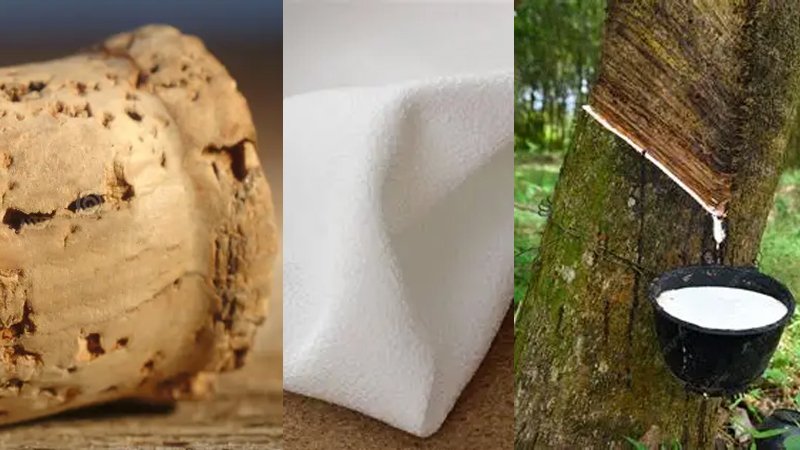
Materials like banana fiber, hemp, jute, cork, and bamboo.
Bio-Based Rubber Outsoles
Outsoles made from natural rubber or recycled rubber compounds.
Waste-to-Footwear Innovations
Materials created from:
- tyre waste
- textile scraps
- industrial foam waste
- packaging materials
Circular footwear embraces creativity and ecology together.
Global Brands Leading Circular Fashion Footwear
Adidas Futurecraft Loop
A fully recyclable performance shoe designed to return to the factory, melt down, and rebuild.
Allbirds Recycle Program
Uses bio-based materials and promotes take-back systems.
Veja
Uses wild rubber, recycled fabrics, and ethical sourcing.
Native Shoes Remix Project
Turns old footwear into new playground materials and products.
These brands push the boundaries of what Circular Fashion Footwear can achieve.
Indian Brands Entering Circular Footwear Space
Neeman’s
Uses natural fibers and recycled materials in sustainable footwear.
Thaely
Creates sneakers from recycled plastic carry bags and packaging.
Paaduks
Handmade footwear built using upcycled materials.
Local Ethical Footwear Collectives
Independent designers across India are creating circular sandals, sneakers, and repairable footwear.
As Fashion Audit notes,
“India is becoming a hotspot for sustainable footwear innovation due to rising eco-conscious consumer demand.”
Key Benefits of Circular Fashion Footwear
Less Waste & Longer Shoe Life
Replace parts instead of throwing out whole shoes.
Low Environmental Impact
Reduced chemical use and minimal landfill waste.
Better Value for Long-Term Use
Circular footwear costs less over time.
Healthier Materials for Consumers
Natural and recycled materials are better for skin and foot health.
Challenges Facing Circular Footwear
Higher Production Costs
Eco-materials and recycling systems require investment.
Limited Recycling Infrastructure
Many countries lack advanced reclamation facilities.
Consumer Awareness Gap
Some people still choose fast fashion over sustainability.
Future Trends in Circular Footwear Technology
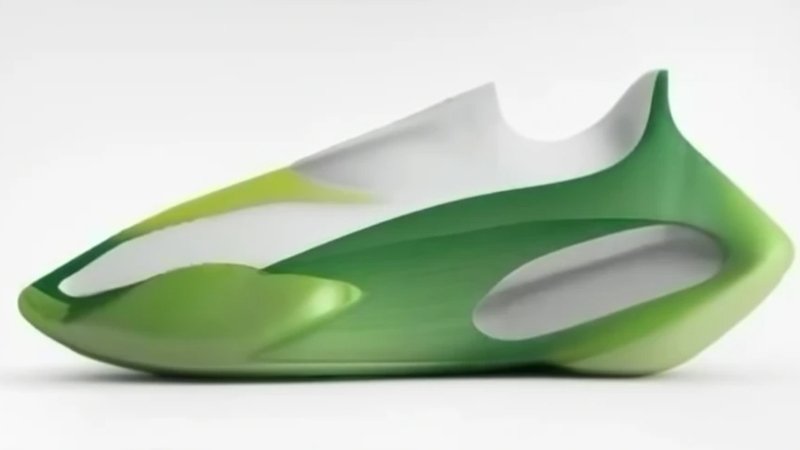
Fully Recyclable Modular Shoes
Every part replaceable without glue or complex construction.
Bio-Engineered Materials
Mushroom leather, algae foam, and plant polymers.
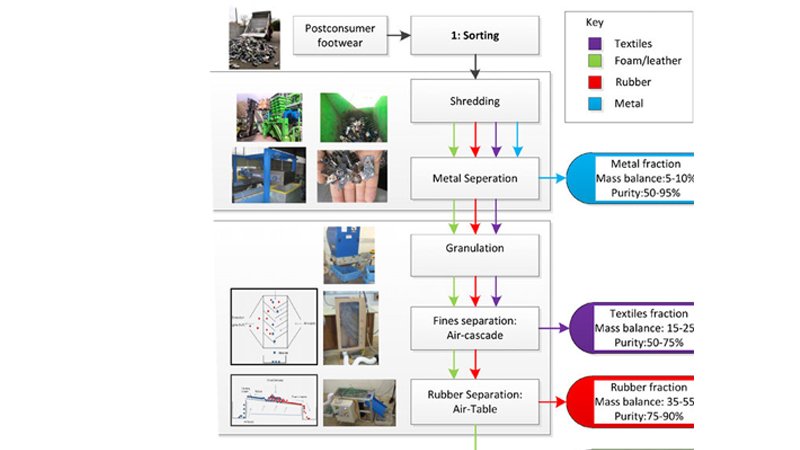
AI-Based Waste Sorting for Footwear Recycling
AI tools help separate footwear materials for faster recycling.
The future of Circular Fashion Footwear is innovative, high-tech, and environmentally responsible.
How Consumers Can Support Circular Fashion Footwear
Choosing Repair-Friendly Shoes
Look for shoes with replaceable soles or insoles.
Buying from Ethical Brands
Support companies committed to sustainability.
Returning Shoes for Recycling Programs
Participating in brand take-back schemes keeps shoes out of landfills.
As Fashion Audit recommends,
“Small choices like recycling or choosing sustainable shoes make a big impact.”
FAQs About Circular Fashion Footwear
1. What makes a shoe “circular”?
It can be reused, repaired, or fully recycled.
2. Are circular shoes more expensive?
Slightly—but they last much longer.
3. Do circular shoes use recycled materials?
Yes, most rely on recycled or natural eco-materials.
4. Are circular shoes available in India?
Yes—brands like Neeman’s, Paaduks, and Thaely lead the movement.
5. Why does Fashion Audit support circular footwear?
Because it reduces waste and encourages sustainable shopping.
Conclusion: Circular Fashion Is Reshaping Footwear Sustainability
Circular Fashion Footwear is more than a trend—it’s a movement toward cleaner production, longer-lasting products, and healthier environmental practices. By choosing circular footwear, consumers contribute to a greener future while enjoying stylish, durable, and innovative shoes.
As Fashion Audit concludes:
“Circular footwear gives every shoe a second life—and gives the planet a better future.”
Disclaimer:
All trademarks, logos, product names, and brand identifiers mentioned on FashionAudit.com are the property of their respective owners. They are used solely for the purpose of product review, comparison, and consumer information. FashionAudit.com does not claim any ownership of these marks.
No copyright or trademark infringement is intended. If any brand or rights holder believes their intellectual property has been misused, they can contact us directly and we will address the issue promptly.