
Introduction: The Comfort Revolution Begins with Nature
In the world of sustainable footwear, cork footbeds stand out as a timeless innovation. Lightweight, supportive, and renewable — cork has been redefining how shoes feel underfoot.
According to Fashion Audit, cork isn’t just a material — it’s a philosophy of design. It brings nature’s resilience to modern comfort while helping brands and consumers make more sustainable choices.
1. What Are Cork Footbeds?
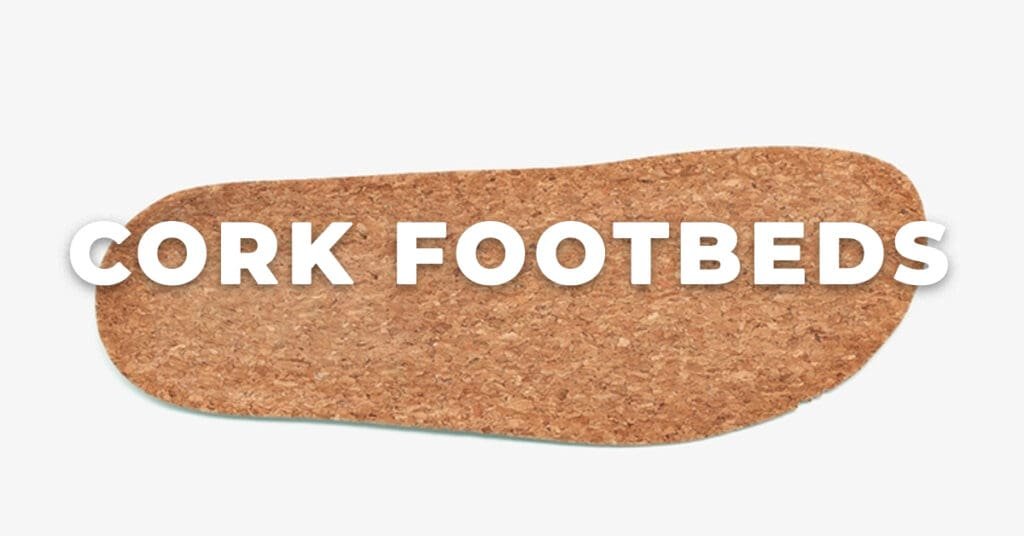
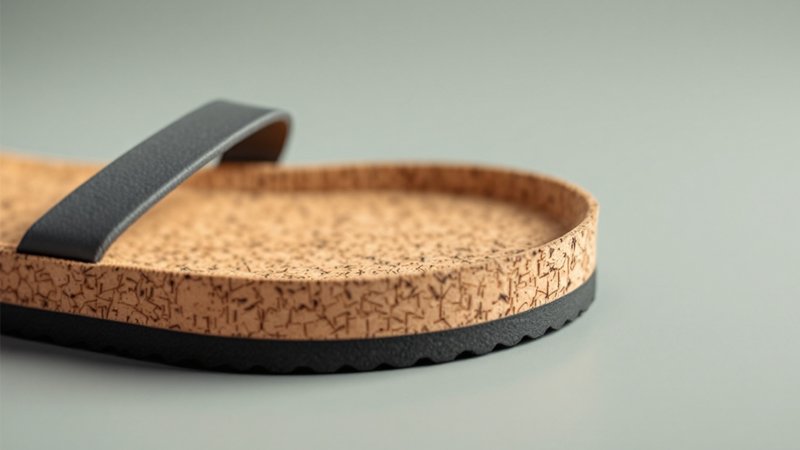
A cork footbed is the insole or inner sole of a shoe made from natural cork bark, often blended with latex or EVA foam for flexibility.
It forms the supportive foundation that adapts to your foot shape, offering personalized comfort and natural cushioning.
Fashion Audit Insight: Cork footbeds are nature’s ergonomic masterpiece — durable, breathable, and uniquely adaptive.
2. The Origin of Cork Material
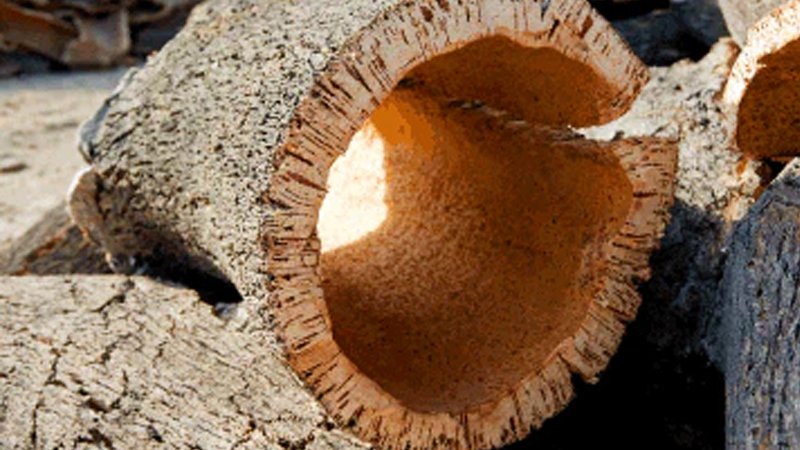
Cork comes from the bark of the cork oak tree (Quercus suber), native to Mediterranean regions such as Portugal, Spain, and Italy.
Harvesting is 100% sustainable — the bark regenerates every 9–10 years without harming the tree.
Key Traits of Cork:
- Renewable and biodegradable.
- Naturally antimicrobial and odor-resistant.
- Lightweight with shock-absorbing flexibility.
3. Why Cork Is Ideal for Footbeds
Cork’s cellular structure contains millions of tiny air pockets, which act like natural springs. This unique composition makes it one of the best materials for comfort and sustainability in footwear.
Benefits Include:
- Excellent Cushioning: Absorbs impact naturally.
- Moisture Resistance: Prevents bacterial buildup.
- Temperature Control: Keeps feet cool in summer, warm in winter.
- Anatomical Adaptation: Molds to the wearer’s foot over time.
- Eco-Friendly: 100% renewable and recyclable.
Fashion Audit Note: The true luxury of cork is in its quiet adaptability — it conforms to you, not the other way around.
4. Composition of a Cork Footbed
| Layer | Material | Purpose |
|---|---|---|
| Top Layer | Leather, Fabric, or Recycled Mesh | Comfort & breathability |
| Middle Layer | Natural Cork | Cushioning and support |
| Support Layer | Latex or EVA Blend | Flexibility and durability |
| Base Layer | Rubber or Cork Composite | Grip and structure |
Fashion Audit Observation: The multi-layered design ensures that cork footbeds offer both luxury comfort and long-lasting performance.
5. Cork Footbeds vs Foam Footbeds
| Feature | Cork Footbeds | Foam Footbeds |
|---|---|---|
| Material | Natural cork bark | Synthetic foam (EVA, PU) |
| Comfort | Firm yet adaptive | Soft and springy |
| Breathability | High | Moderate |
| Durability | Long-lasting | Can compress over time |
| Eco-Friendliness | Excellent | Depends on type |
| Support | Orthopedic-level | Varies by density |
Fashion Audit Verdict: Foam offers instant softness, but cork provides long-term health benefits and sustainable appeal.

6. Health & Comfort Benefits of Cork Footbeds
Cork footbeds are often recommended by orthopedic specialists due to their natural ability to support posture and foot health.
Key Health Advantages:
- Promotes natural arch alignment.
- Absorbs shocks during walking.
- Improves circulation through balanced weight distribution.
- Reduces joint and heel pain.
- Offers custom-fit comfort as it molds to the foot over time.
Fashion Audit Tip: Cork footbeds are a natural alternative to synthetic orthotics — ideal for all-day wear and foot wellness.
7. How Cork Footbeds Are Made
- Harvesting: Cork bark is stripped from trees by hand.
- Processing: The bark is boiled, cleaned, and dried.
- Grinding: Cork granules are mixed with natural latex binders.
- Molding: The mixture is shaped into ergonomic footbed molds.
- Finishing: Top layers of leather or recycled fabrics are added.
Fashion Audit Note: Every cork footbed is the result of craftsmanship and eco-engineering combined.
8. Popular Footwear Styles Using Cork Footbeds
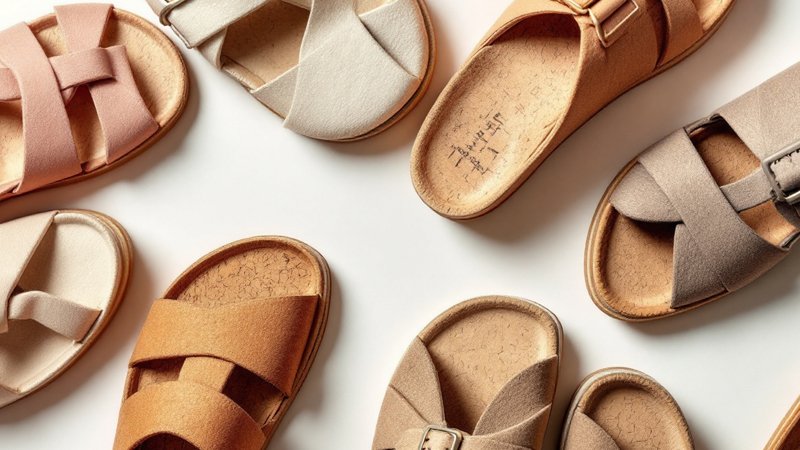
- Sandals & Slides: (e.g., Birkenstock) Classic comfort and casual style.
- Casual Sneakers: Lightweight, cushioned soles.
- Eco Loafers: Natural comfort for office and travel.
- Orthopedic Footwear: For posture support and foot therapy.
- Luxury Eco Brands: Merging cork with leather and recycled fabrics.
9. Leading Brands Using Cork Footbeds (2025 Edition)
| Brand | Key Feature | Eco Focus |
|---|---|---|
| Birkenstock | Full cork-latex footbed | Iconic ergonomic design |
| Naot | Molded cork support | Comfort with style |
| Allbirds | Cork-based insoles | Carbon-neutral materials |
| TOMS | Cork blend with recycled rubber | Sustainable casualwear |
| Veja | Cork inserts | Eco-sourced natural comfort |
| Puma | Cork insoles in green collections | Sustainable innovation |
Fashion Audit Observation: Cork is no longer niche — it’s a mainstream standard in sustainable and luxury comfort footwear.
10. Caring for Cork Footbeds
To maintain longevity and comfort:
- Keep dry: Avoid soaking in water.
- Clean gently: Use mild soap and damp cloth.
- Air regularly: Prevent odor buildup.
- Condition occasionally: Apply cork sealant for moisture protection.
- Store in shade: Avoid extreme heat or humidity.
Pro Tip: A well-maintained cork footbed can last up to 10 years, adapting perfectly to your feet.
11. Sustainability Impact of Cork
Cork harvesting supports biodiversity and carbon reduction.
Each cork tree absorbs up to five times more CO₂ after harvesting.
Eco Advantages:
- Renewable every decade.
- Biodegradable and recyclable.
- Supports rural economies in cork-growing regions.
Fashion Audit Forecast: The global demand for cork in footwear and fashion is expected to rise 25% by 2026 — proof that nature’s materials are leading modern innovation.
12. Challenges & Solutions
| Challenge | Solution |
|---|---|
| High cost of processing | Technological automation |
| Limited supply | Sustainable forest expansion |
| Stiff initial feel | Cork-latex blending for flexibility |
Result: More affordable, comfortable cork footbeds entering mainstream fashion.
FAQs About Cork Footbeds
1. Are cork footbeds comfortable?
Yes — they adapt to your feet, providing personalized comfort over time.
2. Are they durable?
Extremely. A cork footbed can last many years if cared for properly.
3. Are cork footbeds eco-friendly?
Absolutely — cork is renewable, biodegradable, and supports sustainable forestry.
4. Do cork footbeds require maintenance?
Occasional cleaning and drying are enough to preserve quality.
5. Does Fashion Audit recommend cork footbeds?
Yes — Fashion Audit recommends cork for those seeking long-term comfort and sustainability in footwear.
Conclusion: Nature’s Answer to Modern Comfort
Cork footbeds represent the perfect harmony of function, fashion, and sustainability. They support the body naturally, reduce environmental impact, and prove that comfort doesn’t have to cost the planet.
As Fashion Audit beautifully states:
“Cork isn’t just a material — it’s a mindset of mindful design and enduring comfort.”
Disclaimer:
All trademarks, logos, product names, and brand identifiers mentioned on FashionAudit.com are the property of their respective owners. They are used solely for the purpose of product review, comparison, and consumer information. FashionAudit.com does not claim any ownership of these marks.
No copyright or trademark infringement is intended. If any brand or rights holder believes their intellectual property has been misused, they can contact us directly and we will address the issue promptly.