
Introduction: Why Cork Is Widely Used in Sandals
Material choice plays a major role in how sandals feel and perform. However, many common materials focus only on softness or cost. Cork-based sandals stand out because they balance support, comfort, and sustainability.
Moreover, people increasingly prefer footwear that adapts to their feet while using natural materials. As a result, cork has become a trusted option—especially when comfort, durability, and environmental impact are reviewed during a thoughtful fashion audit.
What Is Cork Sandals Material?
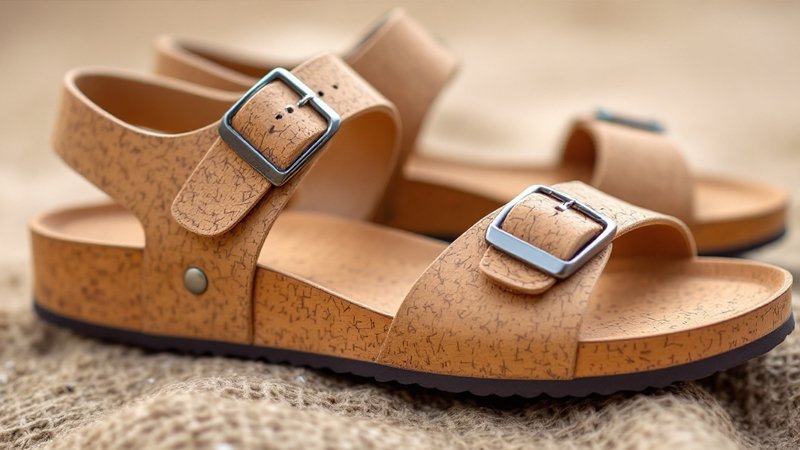
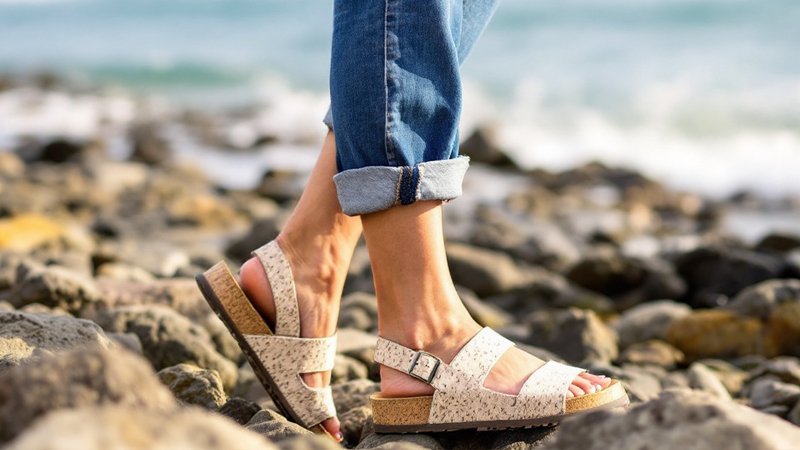
Cork sandals material refers to footbeds made from natural cork granules, often blended with latex for flexibility. Unlike soft foam, cork provides structure while still offering comfort.
Key characteristics include:
- Firm yet cushioned feel
- Natural shock absorption
- Lightweight structure
- Ability to mold to the foot over time
Because cork responds to heat and pressure, it gradually forms a personalized fit.
How Cork-Based Sandals Are Made
Manufacturers create cork sandals through:
- Harvesting cork bark from cork oak trees
- Grinding cork into fine granules
- Mixing cork with latex binders
- Molding footbeds into anatomical shapes
- Adding top covers and outsoles
As a result, the sandal combines structure with comfort.
Key Benefits of Cork in Sandal Construction
Natural Arch Support
Cork footbeds support the foot’s natural contours.
Customized Fit Over Time
The material adapts gradually with regular wear.
Lightweight Stability
Cork offers support without adding excess weight.
Breathable Comfort
Its cellular structure allows airflow underfoot.
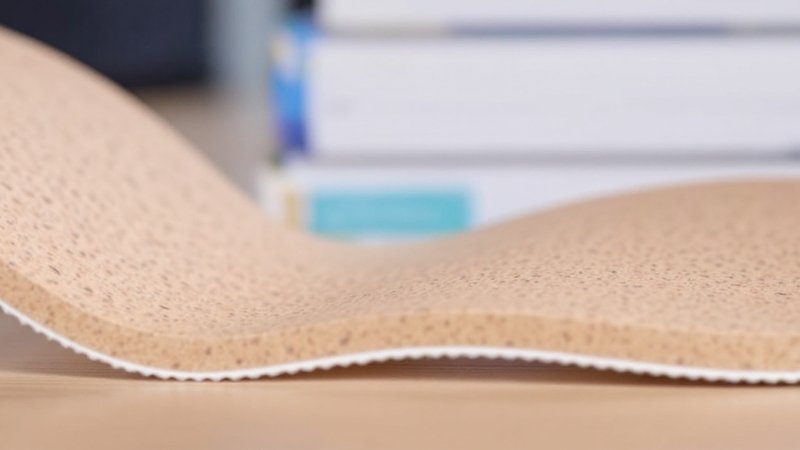
Cork Material vs Foam Material
| Feature | Cork Material | Foam Material |
|---|---|---|
| Support | Structured | Soft |
| Break-in period | Short | None |
| Durability | High | Moderate |
| Stability | Excellent | Moderate |
| Best use | All-day wear | Casual comfort |
As a result, cork suits support-focused wear better.
Where Cork-Based Sandals Perform Best
People commonly choose cork sandals for:
- Daily casual wear
- Long walking hours
- Travel and sightseeing
- Warm-weather use
- Support-focused lifestyles
Therefore, they work well for extended wear.
Long-Term Wear and Performance
Cork ages well. Instead of flattening quickly, it becomes more comfortable over time.
With continued use:
- Support remains consistent
- Footbed molds naturally
- Stability improves
As a result, cork-based sandals often last for years.
Care Tips for Cork Sandals Material
Proper care extends lifespan. For example:
- Avoid soaking in water
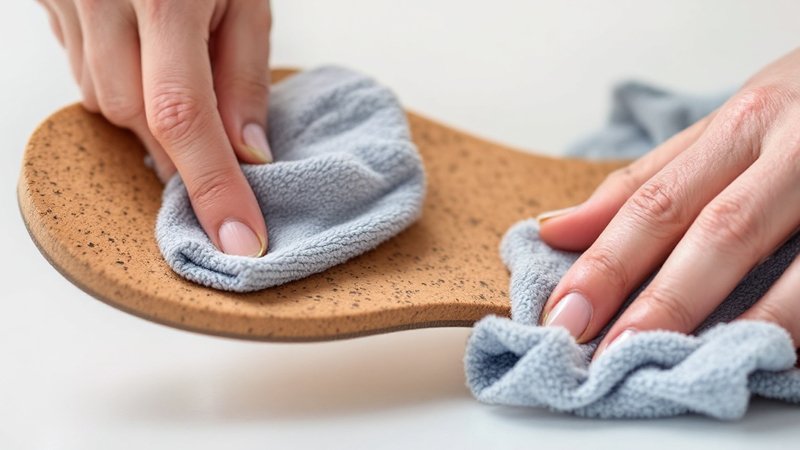
- Clean with a damp cloth
- Let footbeds air dry
- Store in dry environments
Comfort and Break-In Period
Cork may feel firm initially. However, it softens slightly and adapts with wear.
After break-in:
- Footbed feels supportive
- Pressure distributes evenly
- Comfort improves naturally
This process usually takes a few days of use.
Sustainability Perspective
Cork is harvested without cutting down trees. Because of this, it is considered a renewable and eco-friendly material.
During a sustainability-focused fashion audit, cork-based sandals often score highly due to their natural origin and long lifespan.
When Cork Sandals Material Is the Right Choice
Choose cork-based sandals if you want:
- Natural arch support
- Long-term durability
- Breathable comfort
- Environmentally conscious materials
As a result, they suit both comfort-driven and eco-aware buyers.
Common Mistakes to Avoid
However, many people:
- Skip the break-in period
- Expose cork to excess moisture
- Expect ultra-soft cushioning
- Ignore worn-out outsoles
Avoiding these mistakes improves performance and comfort.
FAQs
Q1: Is cork material comfortable for sandals?
Yes, it offers firm yet adaptive comfort.
Q2: Does cork mold to your feet?
Yes, it gradually adapts with wear.
Q3: Are cork sandals durable?
They are highly durable for daily use.
Q4: Can cork sandals get wet?
Occasional moisture is fine, but soaking should be avoided.
Q5: Is cork an eco-friendly material?
Yes, cork is renewable and sustainable.
Conclusion: Natural Support Built for Everyday Wear
In conclusion, cork sandals material delivers a unique balance of structure, comfort, and sustainability. While firmer than foam, cork provides reliable support and improves with time.
Ultimately, whether you’re selecting everyday footwear or reviewing material quality during a detailed fashion audit, cork-based sandals remain a timeless and dependable choice.