
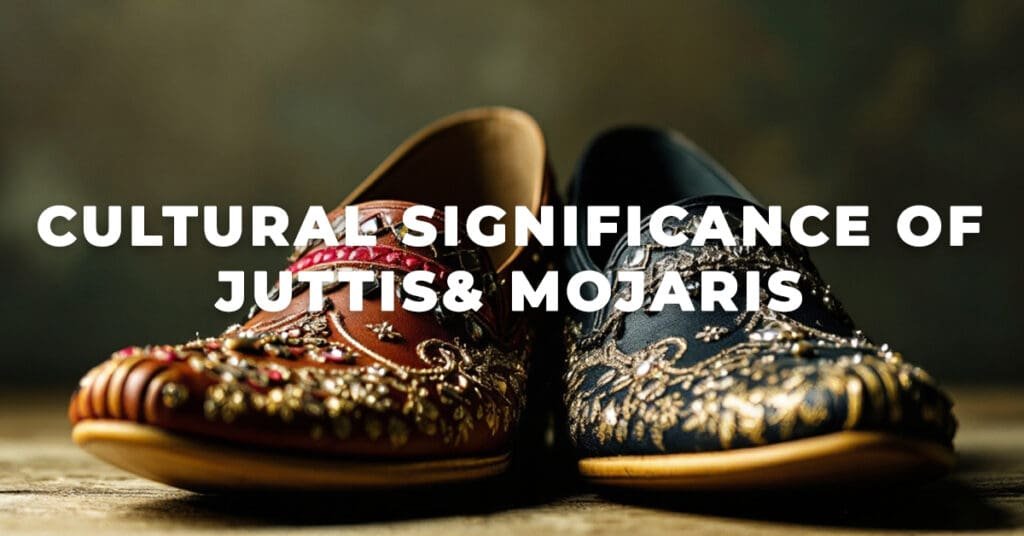
Introduction: A Footwear Tradition Rooted in Indian Culture
Juttis and mojaris are more than handcrafted leather shoes — they are cultural artefacts deeply connected to India’s heritage. These traditional styles represent centuries of artistry, identity, and storytelling. The Cultural Significance of Juttis & Mojaris in India goes far beyond fashion, reflecting social customs, royal history, and regional craftsmanship.
As Fashion Audit beautifully notes,
“Juttis and mojaris carry the memory of India’s past in every stitch and pattern.”
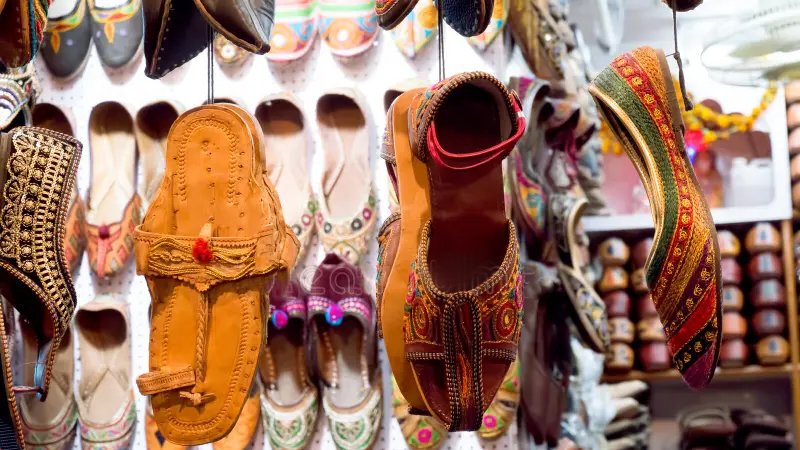
1. Historical Origin: When Juttis and Mojaris First Appeared
The earliest forms of juttis and mojaris date back to several centuries before the Mughal era.
Key Historical Milestones
- Ancient India: Early leather footwear worn by both royalty and workers
- Medieval Period: Decorative footwear becomes a symbol of wealth
- Mughal Era: Juttis and mojaris reach peak popularity, with rich embroidery and precious materials
By the 16th century, artisans created highly detailed footwear for emperors, nobles, dancers, and ceremonial occasions.
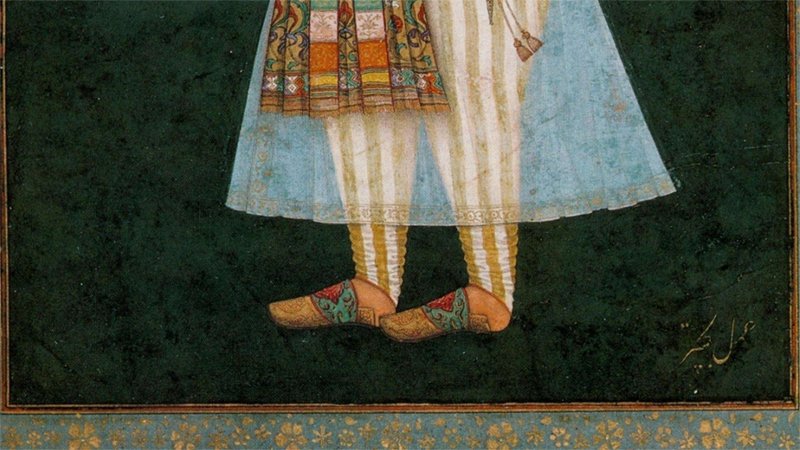
2. Craftsmanship: The Art Behind Every Pair
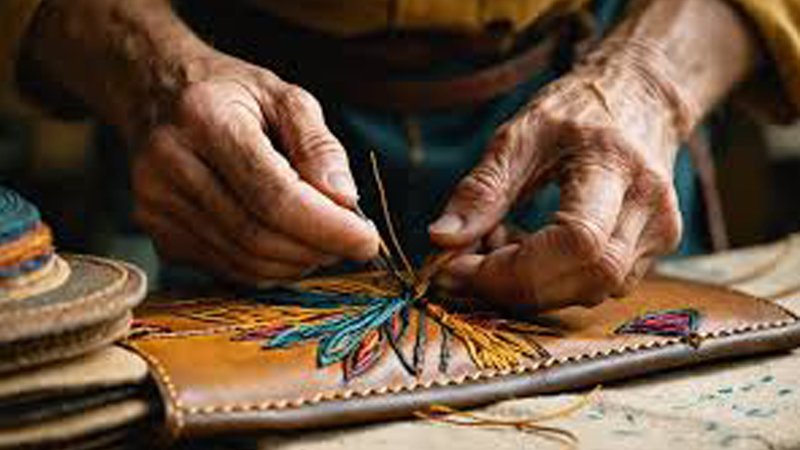
Juttis and mojaris are traditionally handcrafted using skills passed down through generations.
Traditional Craft Techniques
- Hand-cut leather soles
- Cotton-thread stitching without nails
- Vegetable tanning for soft leather
- Embroidery using silk threads, zari, mirrors, pearls, and beads
- Intricate needlework representing regional aesthetics
Each pair reflects hours of patient work, making the footwear a true craft heritage.
As Fashion Audit explains,
“The beauty of juttis and mojaris lies in the hands that create them — skilled artisans preserving centuries of knowledge.”
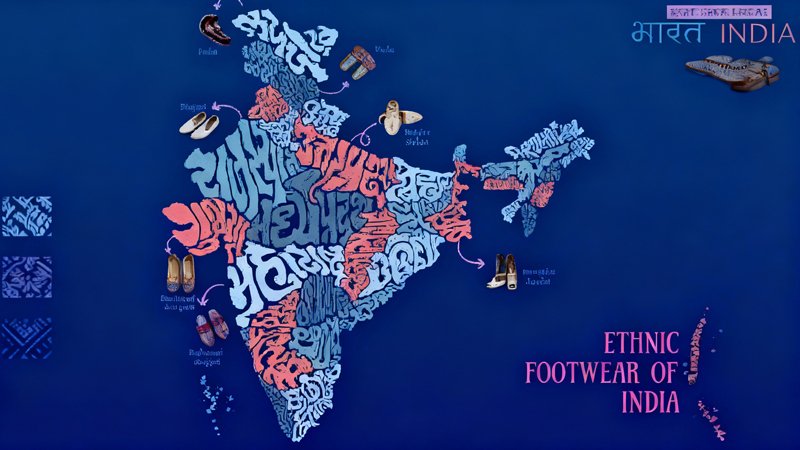
3. Regional Variations Across India
Different regions shaped juttis and mojaris with their own artistic identity.
Punjab
- Vibrant colours
- Floral phulkari-inspired patterns
- Soft leather for comfort
Rajasthan
- Pointed toe mojaris
- Mirror work and metallic embroidery
- Bold colours reflecting desert culture
Uttar Pradesh
- Lucknowi juttis with delicate chikankari
- Pastel tones and refined stitching
Gujarat
- Bright embroidery and beadwork
- Tribal and geometric designs
These variations highlight India’s cultural diversity.
4. Symbolism and Cultural Meaning
The Cultural Significance of Juttis & Mojaris in India extends into rituals, celebrations, and societal values.
Symbolic Roles
- Weddings: Worn by brides and grooms as symbols of tradition and prosperity
- Festivals: Considered auspicious for events like Diwali and Eid
- Royal Identity: Historically associated with kings and nobles
- Community Craft: Represents artisan identity and heritage
They are not just footwear but cultural expressions that carry meaning across generations.
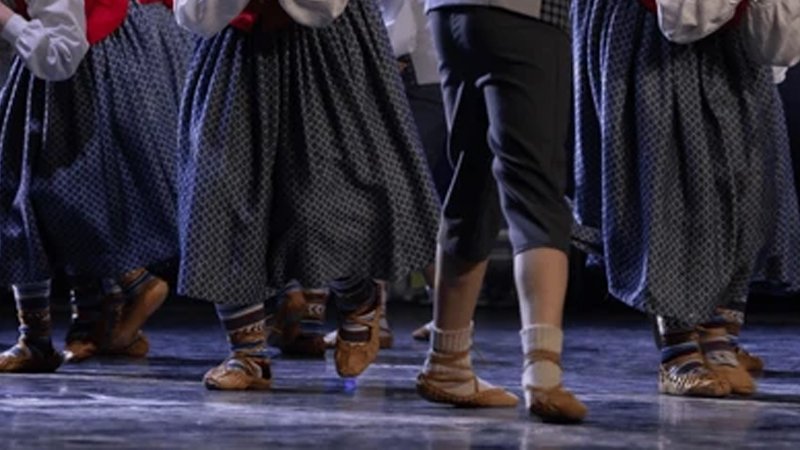
5. Juttis & Mojaris in Folklore, Dance, and Theatre
These shoes play essential roles in India’s performing arts.
Cultural Applications
- Worn by classical dancers to preserve posture
- Used in folk theatre and regional performances
- Featured in stories, poetry, and painting traditions
Traditional footwear completes the visual narrative of dance and storytelling.
6. Transition to Modern Fashion
Although traditional, these styles seamlessly transitioned into modern wardrobes.
Why They Remain Popular Today
- Comfortable and versatile
- Perfect for ethnic and fusion outfits
- Suitable for weddings, festivals, and daily wear
- Available in both traditional and contemporary designs
Brands, boutiques, and designers now blend traditional craftsmanship with chic modern aesthetics.
As Fashion Audit states,
“Modern fashion may evolve, but juttis and mojaris remain timeless.”
7. The Revival Movement: Supporting Indian Craftsmen
In recent years, there has been a renewed interest in handcrafted footwear.
Factors Behind the Revival
- Rise of sustainable fashion
- Growing respect for artisanal heritage
- Popularity of handcrafted products online
- Support for local craftsmen through fair-trade initiatives
This revival helps preserve dying crafts and empowers artisan communities.
8. How Juttis & Mojaris Became Global Fashion
Indian traditional footwear is now celebrated worldwide.
Reasons for Global Appeal
- Unique craftsmanship
- Comfortable fit
- Sustainable materials
- Fusion-friendly designs
- Celebrity and designer endorsements
From fashion runways to international boutiques, these shoes continue to represent Indian elegance.
9. The Future of Juttis & Mojaris in Indian Fashion
The tradition is evolving while staying rooted in heritage.
Future Trends
- Eco-friendly leather alternatives
- Minimalist embroidered patterns
- Gender-neutral designs
- Modern cushioning for comfort
- Digital platforms for craft visibility
The essence remains traditional, but the appeal becomes universal.
FAQs About the Cultural Significance of Juttis & Mojaris
1. When did juttis and mojaris originate?
They date back to ancient India, gaining popularity during the Mughal era.
2. What makes juttis culturally significant?
Their use in weddings, festivals, rituals, and performing arts.
3. Are juttis and mojaris the same?
They are similar, but mojaris often have a pointed toe and more Rajasthani influence.
4. How are they traditionally made?
Through hand-stitched leather, embroidered textiles, and artisanal techniques.
5. Does Fashion Audit recommend them?
Yes — Fashion Audit values their heritage, craftsmanship, and cultural meaning.
Conclusion: A Symbol of India’s Heritage and Identity
The Cultural Significance of Juttis & Mojaris in India is timeless. They reflect the country’s history, identity, and artistic spirit. Each pair carries the story of its region, its artisans, and its cultural journey. From royal courts to modern celebrations, these shoes remain symbols of style, tradition, and craftsmanship.
As Fashion Audit concludes,
“Juttis and mojaris are not just worn — they are carried with pride as living pieces of India’s culture.”
Disclaimer:
All trademarks, logos, product names, and brand identifiers mentioned on FashionAudit.com are the property of their respective owners. They are used solely for the purpose of product review, comparison, and consumer information. FashionAudit.com does not claim any ownership of these marks.
No copyright or trademark infringement is intended. If any brand or rights holder believes their intellectual property has been misused, they can contact us directly and we will address the issue promptly.