
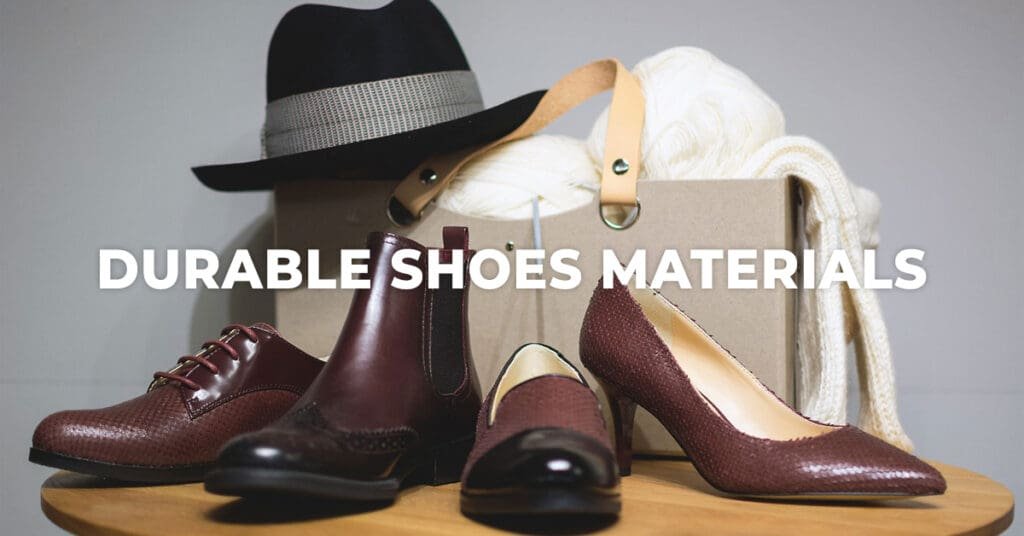
Introduction: Why Durable Shoe Material Matters More Than You Think
Shoes are an everyday investment. However, not all footwear is built to last. The durability of a shoe depends largely on the material used in its construction. Durable shoe material is essential to prevent issues such as cracks, sole separation, or discomfort within months.
Moreover, people wear shoes for different purposes—daily commuting, work, travel, or outdoor activities. As a result, understanding durable shoe material helps you choose footwear that withstands wear and tear, especially when evaluating essentials during a seasonal fashion audit.
What Makes a Shoe Material Durable?
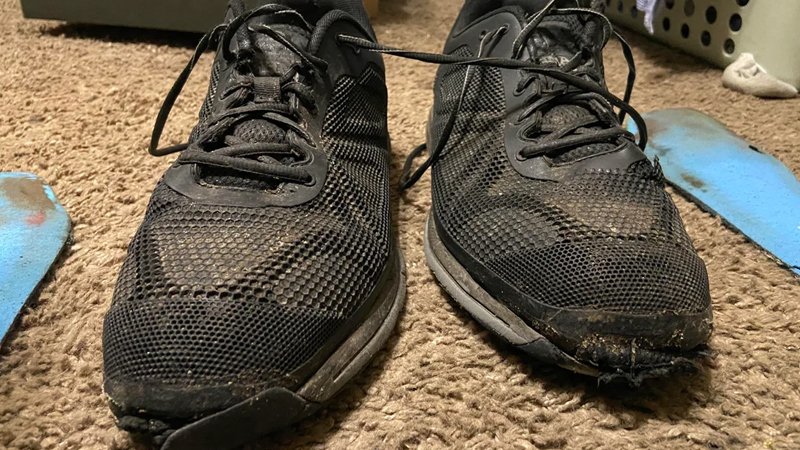
Durability is not just about hardness. Instead, it is a combination of strength, flexibility, resistance to damage, and long-term comfort.
Key durability factors include:
- Resistance to cracking and tearing
- Ability to maintain shape
- Strong bonding with soles
- Tolerance to moisture and heat
Therefore, the most durable shoe material balances toughness with flexibility.
Most Durable Materials Used in Shoes
Leather
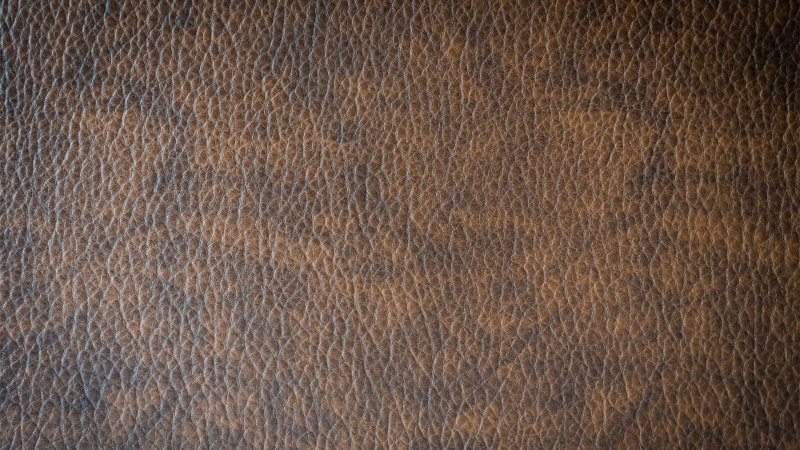
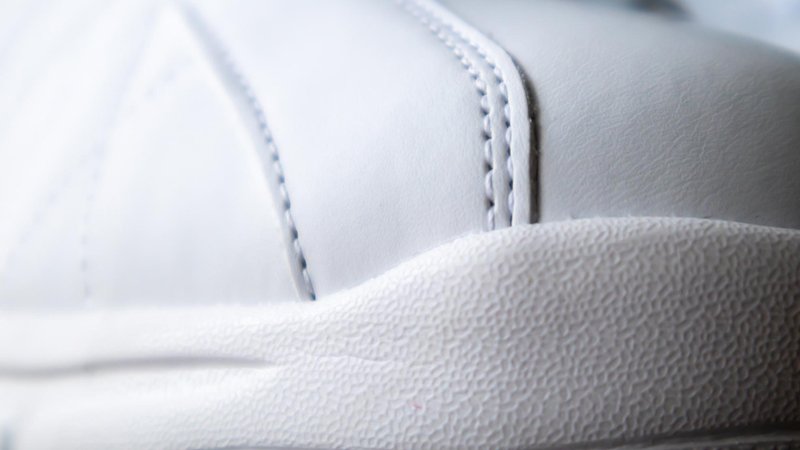
Leather is widely considered one of the most durable shoe materials. Because it stretches without tearing, it adapts well to long-term wear.
Why Leather Lasts Long:
- High tensile strength
- Breathable and flexible
- Ages well with proper care
Best For:
Work shoes, boots, formal footwear
Rubber
Rubber is extremely durable when used in soles. As a result, it protects shoes from abrasion and surface damage.
Why Rubber Lasts Long:
- Excellent wear resistance
- Water-resistant
- High grip and flexibility
Best For:
Daily shoes, outdoor footwear, sports shoes
PU (Polyurethane)
PU is known for structural durability. Although slightly heavier, it maintains shape better than softer foams.
Why PU Lasts Long:
- Resistant to compression
- Strong shock absorption
- Suitable for long hours
Best For:
Work shoes, school shoes, safety footwear
Synthetic Leather & Engineered Materials
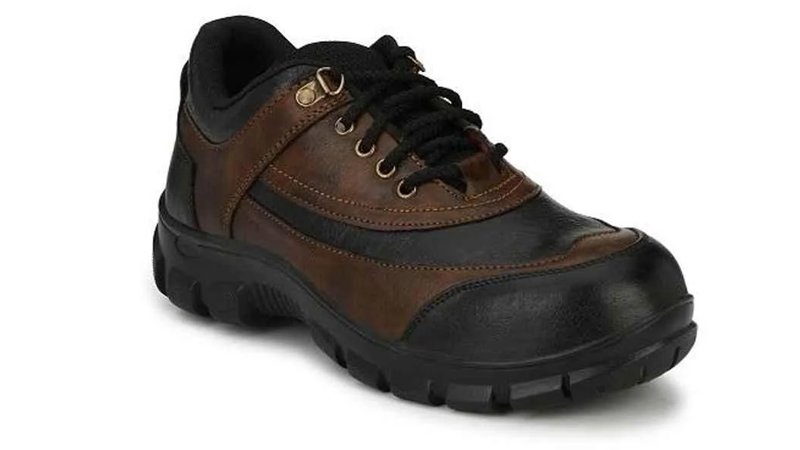
Modern synthetic materials are designed for durability. Therefore, they often outperform low-grade natural materials.
Why Synthetics Last Long:
- Resistant to water and cracking
- Easy to maintain
- Consistent quality
Best For:
Everyday shoes, travel footwear, budget-friendly options
Canvas (Heavy-Duty Grades)
While light canvas wears quickly, thick woven canvas can be surprisingly durable.
Why Canvas Can Last:
- Strong fabric weave
- Breathable
- Lightweight yet tough
Best For:
Casual shoes, sneakers (with reinforced soles)
Most Durable Shoe Sole Materials
Durability also depends on the sole. For instance:
- Rubber soles resist abrasion
- PU soles maintain shape
- TPU soles handle rough surfaces
Therefore, pairing strong uppers with durable soles is essential.
Sustainable Yet Durable Shoe Materials (2025 Trend)
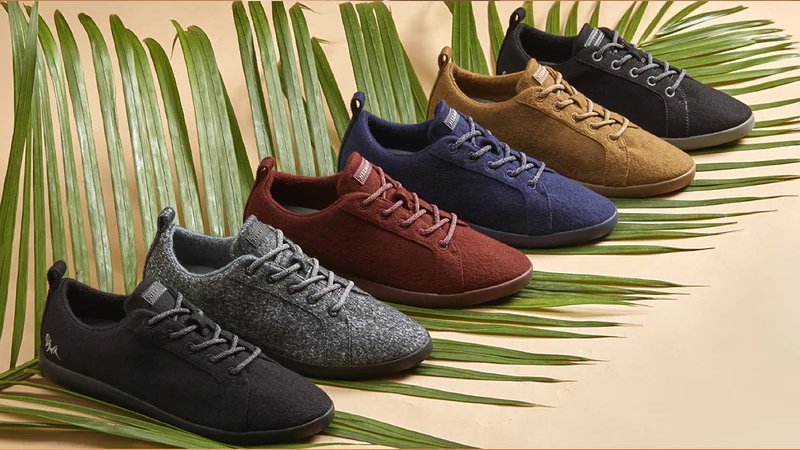
Meanwhile, sustainability is no longer a compromise. Brands now use recycled rubber, plant-based leather alternatives, and bio-based PU.
Not only do these materials reduce environmental impact, but they also offer impressive longevity. Therefore, eco-conscious options are increasingly chosen by buyers who value durability during a thoughtful fashion audit.
How to Choose Durable Shoe Material Based on Use
Daily Wear
- Leather or synthetic uppers
- Rubber or EVA soles
Work & Long Hours
- Leather or PU construction
- Firm rubber soles
Outdoor & Travel
- Synthetic or coated leather
- Rubber or TPU soles
Casual & Sneakers
- Reinforced canvas or mesh
- Rubber soles
Most importantly, durability improves when materials match usage.
Common Mistakes That Reduce Shoe Durability
However, many buyers:
- Choose style over material strength
- Ignore sole quality
- Use delicate shoes daily
- Skip maintenance
As a result, even good shoes wear out quickly.
FAQs: Durable Shoe Material
Q1: What is the most durable shoe material overall?
Leather combined with rubber soles offers the best longevity.
Q2: Are synthetic shoes durable?
Yes, high-quality synthetics can last as long as leather.
Q3: Is rubber more durable than EVA?
Yes, rubber lasts longer, while EVA focuses on comfort.
Q4: Are sustainable materials durable?
Yes. Modern eco materials are engineered for long-term use.
Q5: How can I make shoes last longer?
Rotate pairs, clean regularly, and store properly.
Conclusion: Durability Starts With Smart Material Choices
In conclusion, choosing the right durable shoe material ensures comfort, strength, and long-term value. Instead of focusing only on looks, understanding materials helps you invest in footwear that truly lasts.
Ultimately, whether you’re upgrading essentials or reviewing choices during a simple fashion audit, prioritizing durable materials leads to smarter, longer-lasting footwear decisions.
Disclaimer:
All trademarks, logos, product names, and brand identifiers mentioned on FashionAudit.com are the property of their respective owners. They are used solely for the purpose of product review, comparison, and consumer information. FashionAudit.com does not claim any ownership of these marks.
No copyright or trademark infringement is intended. If any brand or rights holder believes their intellectual property has been misused, they can contact us directly and we will address the issue promptly.