
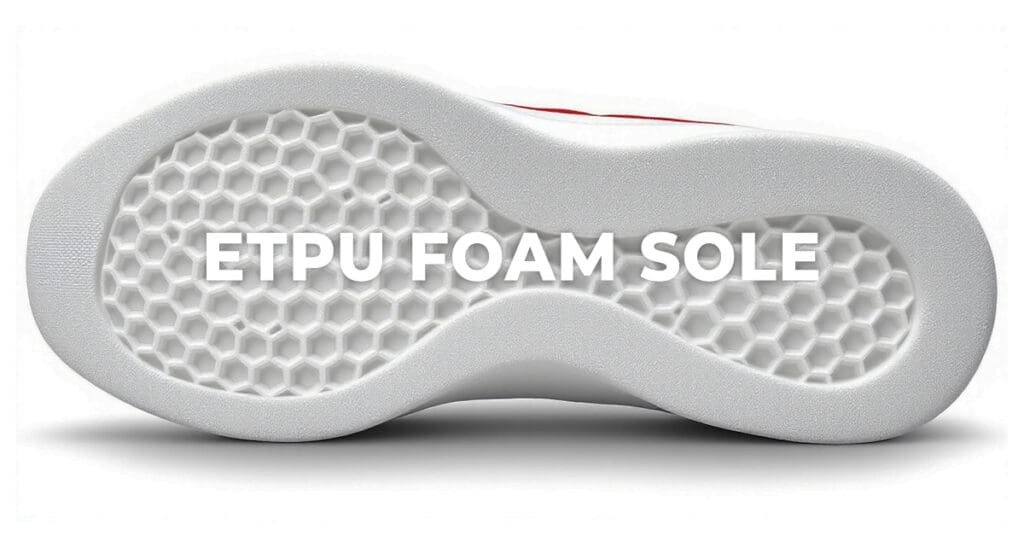
Introduction: Why ETPU Soles Are Redefining Comfort
Footwear innovation has shifted toward materials that deliver both comfort and performance. However, many traditional foam soles lose bounce and stability over time. The ETPU foam sole solves this issue by combining resilience, responsiveness, and long-lasting cushioning.
Moreover, both athletic and lifestyle footwear brands now rely on ETPU for premium comfort. As a result, understanding this sole material helps you choose shoes that stay energetic with every step—an important detail when reviewing performance features during a thoughtful fashion audit.
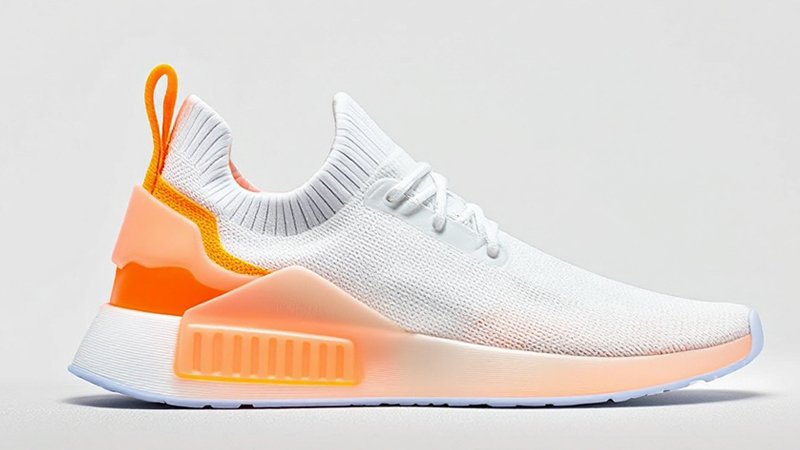
What Is an ETPU Foam Sole?
An ETPU foam sole is made from expanded thermoplastic polyurethane pellets that are fused together under heat and pressure. Unlike EVA, this structure creates a springy, durable foam that rebounds quickly.
You’ll commonly find ETPU soles in:
- Running shoes
- Training and gym footwear
- Lifestyle sneakers
- Walking and travel shoes
- Premium comfort footwear
Because the pellets store and release energy efficiently, the sole enhances responsiveness.
How ETPU Foam Soles Are Manufactured
Manufacturers create ETPU soles through:
- Expanding TPU pellets into foam beads
- Fusing pellets into a solid foam block
- Molding sole units under controlled pressure
- Cooling to lock elasticity
- Attaching the sole to the upper
As a result, the sole achieves high rebound and structural strength.
Key Benefits of ETPU Foam Soles
Exceptional Energy Return
ETPU rebounds quickly after compression. Therefore, movement feels lively and efficient.
Outstanding Durability
The material resists compression breakdown better than many foams.
Temperature Stability
ETPU maintains performance in both hot and cold conditions.
Comfort with Resilience
The sole feels cushioned without becoming soft or unstable.

ETPU Foam Sole vs EVA and PU Soles
| Feature | ETPU Foam | EVA | PU |
|---|---|---|---|
| Energy return | Very high | Moderate | Low |
| Durability | High | Moderate | Very high |
| Weight | Moderate | Lightweight | Heavier |
| Responsiveness | Excellent | Moderate | Low |
| Best use | Performance & lifestyle | Casual comfort | Long-term support |
As a result, ETPU balances performance and everyday wear effectively.
Where ETPU Foam Soles Are Commonly Used
Footwear brands frequently apply ETPU soles in:
- Performance running shoes
- Training footwear
- Lifestyle sneakers
- Walking shoes
- Travel-friendly footwear
Therefore, ETPU works well across both athletic and casual categories.
How ETPU Foam Soles Perform Over Time
ETPU foam ages slowly. Instead of flattening, it maintains bounce and structure.
Over time:
- Energy return remains consistent
- Cushioning stays responsive
- Shape retention remains strong
As a result, shoes retain comfort longer than EVA-based designs.
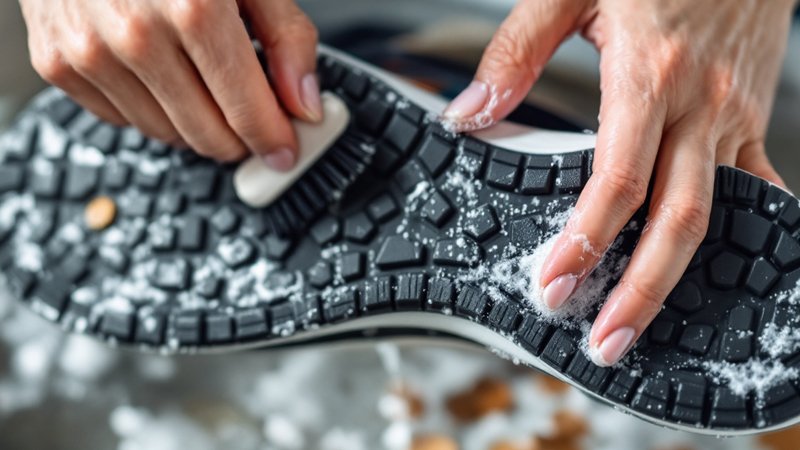
Care Tips for Shoes with ETPU Foam Soles
Proper care helps preserve performance. For example:
- Clean soles gently with mild soap
- Avoid prolonged UV exposure
- Store shoes in a cool, dry place
- Rotate pairs to reduce foam fatigue
Is an ETPU Foam Sole Comfortable for Daily Wear?
Yes, especially for active lifestyles. However, ETPU feels firmer and bouncier than soft comfort foams.
Best suited for:
- Running and training
- Long walking hours
- Active daily routines
- Performance-inspired casual wear
It may feel less plush than memory foam.
Sustainability Perspective
ETPU is synthetic but extremely durable. Longer lifespan reduces the need for frequent replacement. Some manufacturers also use recycled TPU pellets in production.
Because of this, footwear with ETPU soles can score well during a durability-focused fashion audit, especially when longevity and performance matter.
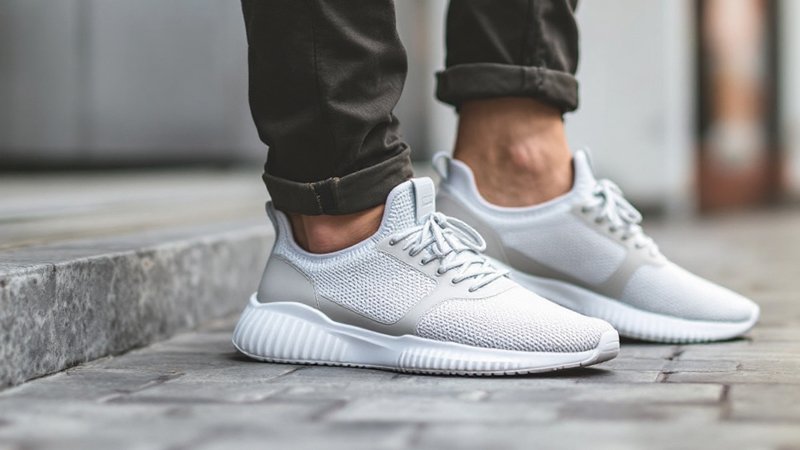
When an ETPU Foam Sole Is the Right Choice
Choose footwear with an ETPU foam sole if you want:
- High energy return
- Long-lasting cushioning
- Responsive underfoot feel
- Performance-ready comfort
As a result, ETPU suits both athletic and modern lifestyle needs.
Common Mistakes to Avoid
However, many people:
- Expect ultra-soft cushioning
- Use performance shoes only casually
- Store shoes in extreme heat
- Skip regular cleaning
Avoiding these mistakes preserves sole performance.
FAQs
Q1: Is an ETPU foam sole durable?
Yes, it outlasts most foam soles.
Q2: Is ETPU better than EVA?
Yes, especially for energy return and longevity.
Q3: Are ETPU soles good for running?
Yes, they provide excellent responsiveness.
Q4: Do ETPU soles lose bounce?
They retain rebound longer than EVA.
Q5: Are ETPU soles waterproof?
They resist moisture but are not waterproof.
Conclusion: Responsive Cushioning Built for Movement
In conclusion, an ETPU foam sole delivers high energy return, durability, and consistent comfort. While it feels firmer than soft foams, it excels in responsiveness and long-term performance.
Ultimately, whether you’re choosing running shoes or reviewing sole technologies during a thoughtful fashion audit, ETPU foam stands out as a premium, performance-driven solution.