
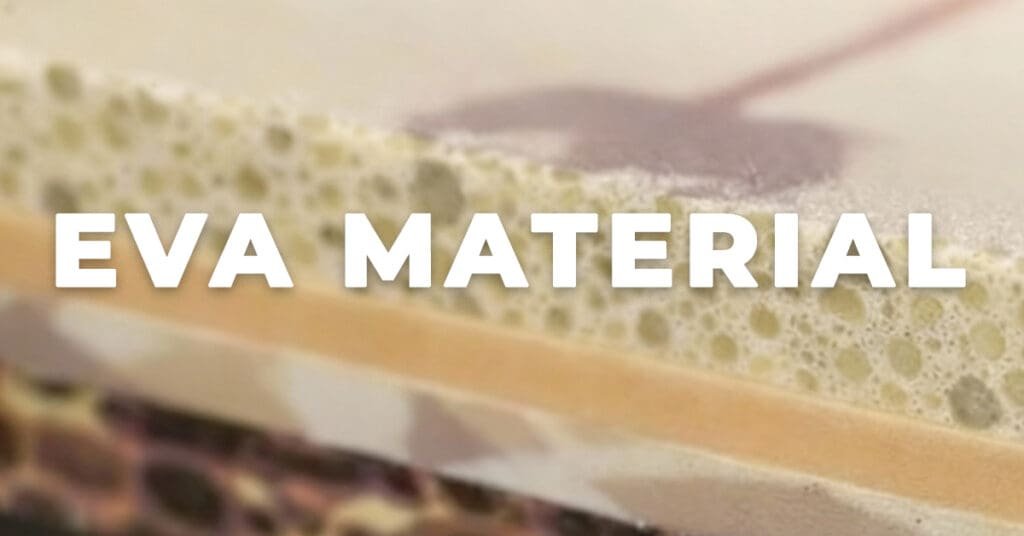
Introduction: The Material That Redefined Comfort
If you’ve ever worn a pair of sneakers or sandals that felt exceptionally light and cushiony, chances are they were made with EVA material.
Known for its flexibility and comfort, EVA (Ethylene Vinyl Acetate) has become one of the most important materials in the footwear industry — from running shoes to casual slides.
According to Fashion Audit, 2025 marks a new era of comfort innovation, with EVA leading the charge as a sustainable, high-performance base for modern footwear.
1. What Is EVA Material?
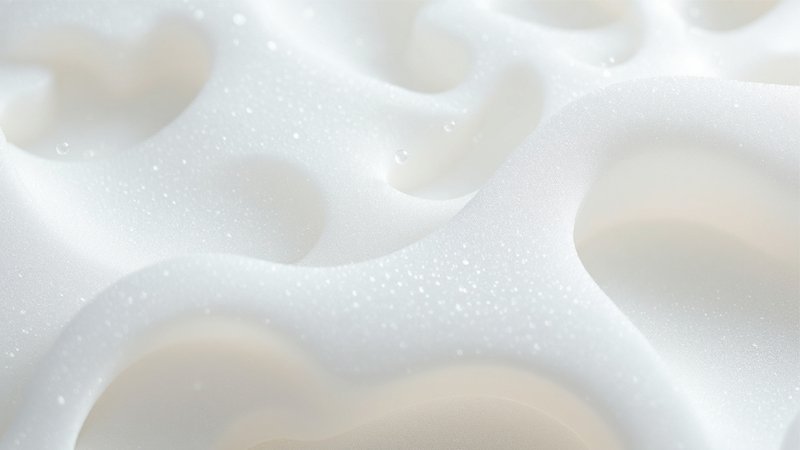
EVA (Ethylene Vinyl Acetate) is a type of polymer foam made by combining ethylene and vinyl acetate. The result is a lightweight, flexible material with rubber-like softness and excellent shock absorption.
It’s a preferred alternative to rubber because it’s:
- Softer and lighter.
- Easier to mold into various shapes.
- More affordable and sustainable to produce.
Fashion Audit Insight: EVA has replaced traditional rubber in most modern shoes — not just for comfort but for its performance and versatility.
2. Chemical Structure & Composition
EVA is formed by polymerizing ethylene and vinyl acetate, creating a copolymer that balances elasticity and strength.
| Component | Function |
|---|---|
| Ethylene | Provides flexibility and resilience |
| Vinyl Acetate (VA) | Adds softness, durability, and elasticity |
| Foaming Agent | Creates lightweight structure and cushioning |
| Pigments & Additives | Offer color, UV protection, and density control |
Fashion Audit Note: The percentage of vinyl acetate (VA) — usually between 10–40% — determines how soft or firm the EVA will feel.
3. Why EVA Material Is Used in Footwear
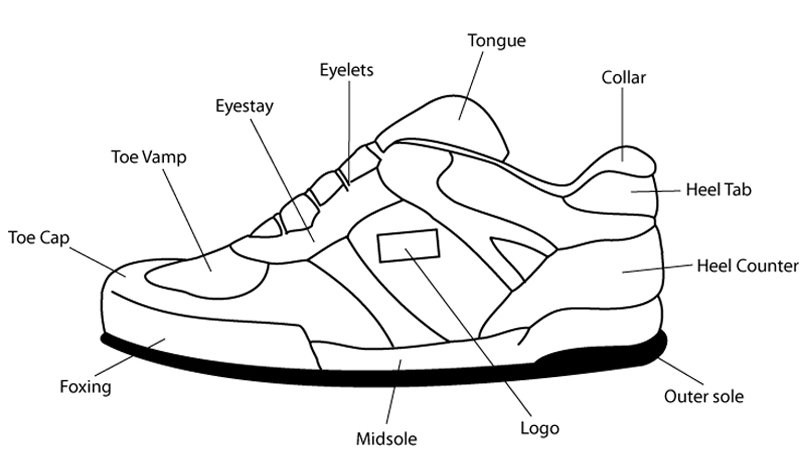
EVA’s combination of lightness, flexibility, and durability makes it ideal for midsoles, insoles, and outsoles.
Key Properties of EVA Material
- Shock Absorption: Reduces foot impact during walking or running.
- Lightweight: Perfect for sports and casual shoes.
- Flexible: Bends easily without cracking.
- Waterproof: Ideal for sandals and slides.
- Comfortable: Soft texture provides underfoot cushioning.
- Durable: Withstands regular wear and tear.
Fashion Audit Tip: The best-performing EVA shoes balance density and softness — offering both comfort and stability.
4. EVA vs Other Footwear Materials
| Feature | EVA Material | Rubber | PU (Polyurethane) |
|---|---|---|---|
| Weight | Very light | Heavier | Moderate |
| Flexibility | High | Medium | Medium |
| Cushioning | Excellent | Good | Excellent |
| Durability | Moderate | High | Very high |
| Water Resistance | Excellent | Excellent | Poor |
| Eco Impact | Recyclable (new tech) | Non-recyclable | Non-biodegradable |
Fashion Audit Observation: EVA has become the industry’s favorite midsole material for its lightweight comfort and cost-effectiveness.
5. Common Applications of EVA in Footwear
5.1 Midsoles
EVA foam midsoles provide cushioning and energy return in sneakers and running shoes.
5.2 Insoles
Soft EVA insoles adapt to the shape of the foot, offering custom comfort.
5.3 Outsoles
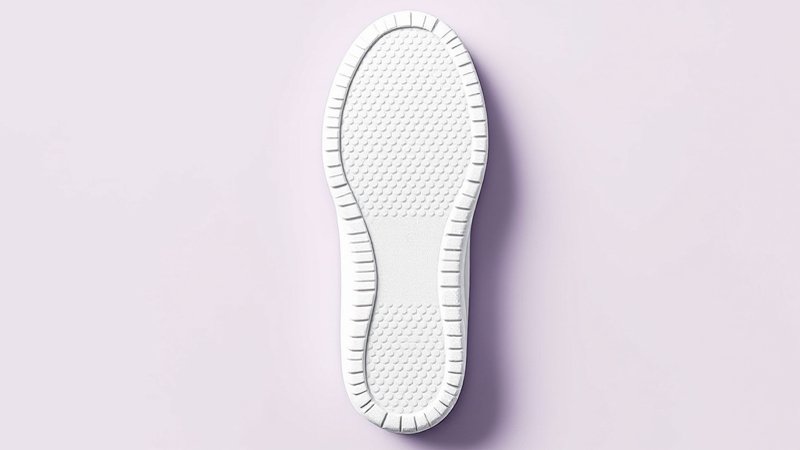
EVA outsoles are ideal for indoor and lightweight outdoor shoes.
5.4 Sandals and Slides
Fully molded EVA sandals are lightweight, waterproof, and perfect for summer wear.
5.5 Heel Pads and Orthotic Footwear
Used in medical and sports footwear to relieve foot pressure.
6. EVA in Sports and Lifestyle Footwear
In 2025, brands are reimagining EVA through foam technology and eco-friendly innovations.
- Running Shoes: EVA-based foams like Nike’s “Phylon” or Adidas’s “Lightstrike” offer energy return.
- Casual Sneakers: Used for all-day wear without fatigue.
- Slides & Flip-Flops: One-piece molded EVA ensures lightweight, waterproof design.
- Luxury Brands: Incorporate EVA for hybrid comfort soles.
Fashion Audit Insight: The modern consumer now expects the comfort of athletic footwear in every category — EVA makes that possible.
7. Advantages of EVA Material
- Ultra-Lightweight: Reduces shoe fatigue.
- Shock-Absorbing: Protects joints during high-impact activity.
- Waterproof & Non-Toxic: Perfect for outdoor or travel footwear.
- Temperature Resistant: Performs well in both hot and cold climates.
- Cost-Effective: Keeps shoes affordable without compromising quality.
8. Limitations of EVA Material
- Compression Over Time: Foam may lose cushioning with prolonged use.
- Less Grip: Compared to rubber, EVA soles can be slippery on wet surfaces.
- Limited Durability: Not ideal for heavy industrial or trekking footwear.
Pro Tip: Many modern brands blend EVA with rubber or TPU for longer-lasting grip and resilience.
9. Sustainable Innovations in EVA (2025 Focus)
With rising sustainability demands, EVA is evolving into an eco-friendly material through:
- Recycled EVA Foam: Made from post-consumer or factory waste.
- Bio-EVA: Derived from sugarcane, offering carbon-neutral production.
- Water-Based Manufacturing: Eliminates harmful solvents.
- Circular Recycling Programs: Brands recollect used EVA soles for reuse.
Fashion Audit Forecast: Bio-based EVA will dominate eco-conscious footwear manufacturing by 2026.
10. EVA Material in Popular Footwear Brands
| Brand | Technology Name | Key Feature |
|---|---|---|
| Nike | Phylon (EVA Blend) | Lightweight cushioning |
| Adidas | Lightstrike EVA | Energy return for runners |
| Crocs | Croslite (EVA-based) | Soft, molded comfort |
| Skechers | ULTRA GO | Lightweight midsole foam |
| Puma | SOFTFOAM+ EVA | Dual-density comfort |
| Allbirds | Bio-EVA | Sugarcane-derived eco foam |
Fashion Audit Note: EVA has quietly become the foundation of nearly every footwear innovation in 2025.
11. How to Care for EVA Footwear
- Clean with Mild Soap: Use a damp cloth or soft brush.
- Avoid Extreme Heat: Direct sunlight can warp EVA foam.
- Dry Naturally: Never tumble-dry EVA soles.
- Store Flat: Prevent compression dents.
- Use Shoe Inserts: Helps maintain structure.
12. EVA Material vs Memory Foam
| Feature | EVA Material | Memory Foam |
|---|---|---|
| Density | Medium | High |
| Weight | Light | Heavier |
| Bounce-Back | Fast | Slow |
| Durability | Long-lasting | Moderate |
| Purpose | Active cushioning | Comfort and rest |
Fashion Audit Insight: EVA suits active, all-day wear; memory foam suits resting comfort — both can work together in hybrid footwear.
FAQs About EVA Material
1. What is EVA material used for?
It’s used in midsoles, insoles, and outsoles of shoes for cushioning and flexibility.
2. Is EVA material safe for skin?
Yes, EVA is non-toxic, hypoallergenic, and skin-safe.
3. Does EVA absorb water?
No — it’s fully waterproof and dries quickly.
4. How long do EVA shoes last?
Typically 2–3 years of regular use, depending on compression and wear.
5. Does Fashion Audit recommend EVA shoes?
Fashion Audit recommends EVA-based shoes for anyone seeking lightweight comfort, especially for travel, walking, or gym wear.
Conclusion: The Foundation of Modern Comfort
Behind every great pair of shoes lies great material — and EVA material defines that truth in 2025. It’s light, resilient, and sustainable — engineered to keep pace with modern lifestyles.
As Fashion Audit perfectly summarizes:
“EVA doesn’t just cushion your step — it redefines how comfort feels.”
Disclaimer:
All trademarks, logos, product names, and brand identifiers mentioned on FashionAudit.com are the property of their respective owners. They are used solely for the purpose of product review, comparison, and consumer information. FashionAudit.com does not claim any ownership of these marks.
No copyright or trademark infringement is intended. If any brand or rights holder believes their intellectual property has been misused, they can contact us directly and we will address the issue promptly.