
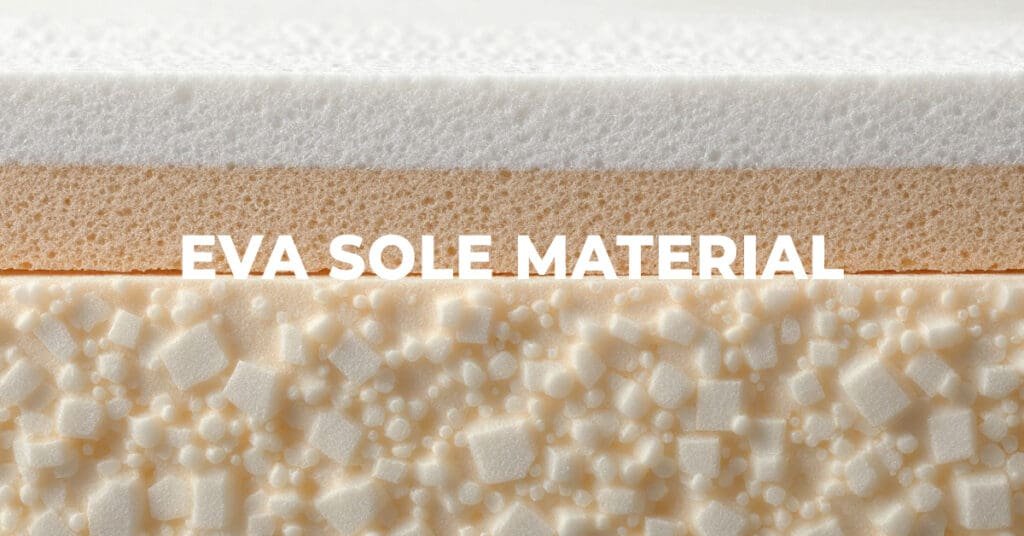
Introduction: Why EVA Soles Are Everywhere
Comfort has become a key factor in modern footwear. However, not all sole materials deliver softness without adding weight. EVA sole material stands out because it combines cushioning, flexibility, and lightness in a single solution.
Moreover, footwear brands widely use EVA in casual, sports, and travel shoes. As a result, understanding this material helps you make smarter footwear choices—especially when evaluating comfort and value during a thoughtful fashion audit.
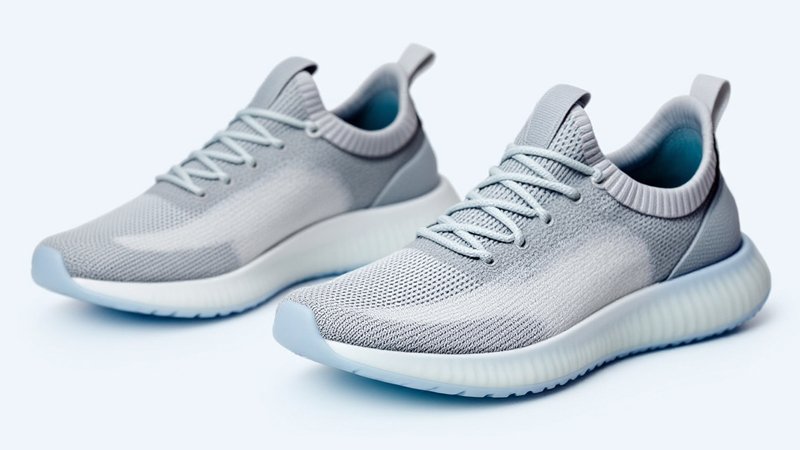
What Is EVA Sole Material?
EVA sole material comes from ethylene vinyl acetate, a soft foam-like polymer. Unlike dense rubber, EVA compresses under pressure and rebounds quickly, creating a cushioned walking experience.
You’ll commonly find EVA soles in:
- Sneakers and running shoes
- Casual daily footwear
- Sandals and slides
- Travel and walking shoes
- Lightweight sports shoes
Because EVA absorbs shock well, it reduces foot fatigue.
How EVA Soles Are Manufactured
Manufacturers create EVA soles through:
- Mixing EVA pellets with additives
- Heating the compound into foam
- Compression or injection molding
- Shaping soles with cushioning zones
- Bonding soles to the upper
As a result, EVA soles maintain consistent softness and structure.
Key Benefits of EVA Sole Material
Lightweight Comfort
EVA weighs significantly less than rubber. Therefore, shoes feel easier to wear all day.
Excellent Cushioning
The foam absorbs impact, protecting joints.
Flexible Movement
EVA bends naturally with foot motion.
Cost Efficiency
Production costs remain lower than many advanced materials.
EVA Soles vs Rubber Soles
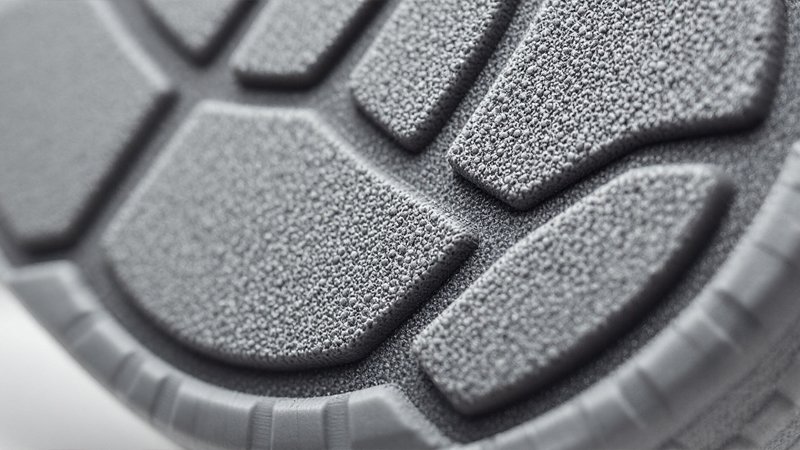
| Feature | EVA Sole | Rubber Sole |
|---|---|---|
| Weight | Very light | Heavier |
| Cushioning | Soft | Firm |
| Flexibility | High | Moderate |
| Durability | Moderate | High |
| Grip | Moderate | High |
| Best use | Comfort-focused | Abrasion-focused |
As a result, EVA suits comfort and light-use footwear better.
Where EVA Sole Material Is Commonly Used
Footwear brands widely apply EVA soles in:
- Running and walking shoes
- Casual sneakers
- Sandals and flip-flops
- Athleisure footwear
- Travel shoes
Therefore, EVA works best for daily comfort and light activity.
How EVA Soles Perform Over Time
EVA compresses gradually. Instead of cracking, it loses some bounce after long use.
Over time:
- Cushioning softens
- Shape remains stable
- Grip reduces slightly
As a result, EVA shoes may need replacement sooner than rubber-soled shoes.
Care Tips for Shoes with EVA Soles
Proper care helps extend performance. For example:
- Clean with mild soap and water
- Avoid prolonged heat exposure
- Air dry naturally
- Store away from direct sunlight
Are EVA Soles Durable Enough?
Yes, for everyday comfort use. However, EVA does not handle rough terrain or sharp abrasion well.
Best suited for:
- Daily walking
- Casual wear
- Travel
- Light exercise
They are not ideal for heavy-duty outdoor conditions.
Sustainability Perspective
EVA is synthetic and not biodegradable. However, its lightweight nature reduces material use, and some brands now use recycled EVA.
Because of this, footwear with EVA soles may score moderately during a comfort-focused fashion audit, especially when weight and cushioning matter.
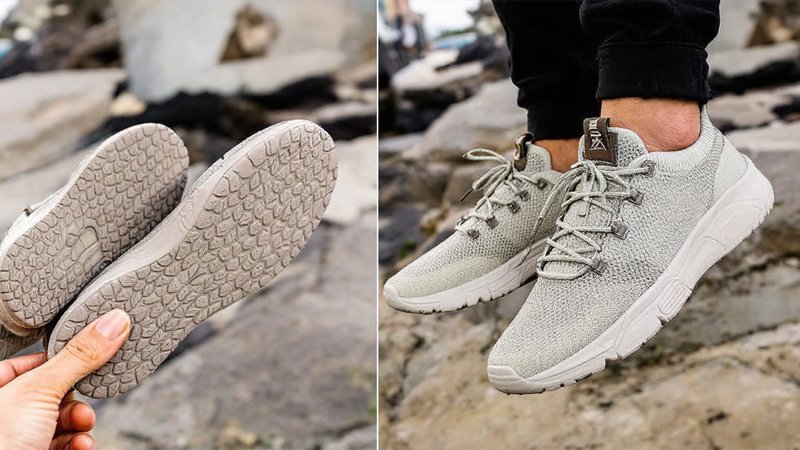
When EVA Sole Material Is the Right Choice
Choose footwear with EVA soles if you want:
- Lightweight comfort
- Soft cushioning
- Flexible movement
- Affordable everyday shoes
As a result, EVA soles fit relaxed, modern lifestyles.
Common Mistakes to Avoid
However, many people:
- Use EVA shoes on rough terrain
- Expose soles to extreme heat
- Expect long-term abrasion resistance
- Skip regular cleaning
Avoiding these mistakes improves lifespan.
FAQs
Q1: Is EVA sole material comfortable?
Yes, EVA provides excellent cushioning.
Q2: Are EVA soles waterproof?
They resist water but are not fully waterproof.
Q3: Do EVA soles wear out quickly?
They wear faster than rubber under heavy use.
Q4: Are EVA soles good for running?
Yes, especially for comfort-focused runners.
Q5: Are EVA soles eco-friendly?
Some brands use recycled EVA, but it’s synthetic.
Conclusion: Everyday Comfort Without Extra Weight
In conclusion, EVA sole material delivers lightweight cushioning, flexibility, and everyday comfort at an affordable cost. While it doesn’t suit rough conditions, it excels in casual, athletic, and travel footwear.
Ultimately, whether you’re choosing walking shoes or reviewing sole materials during a thoughtful fashion audit, EVA soles offer comfort-first performance that fits modern lifestyles.