
Introduction: Choosing the Right Sole Material
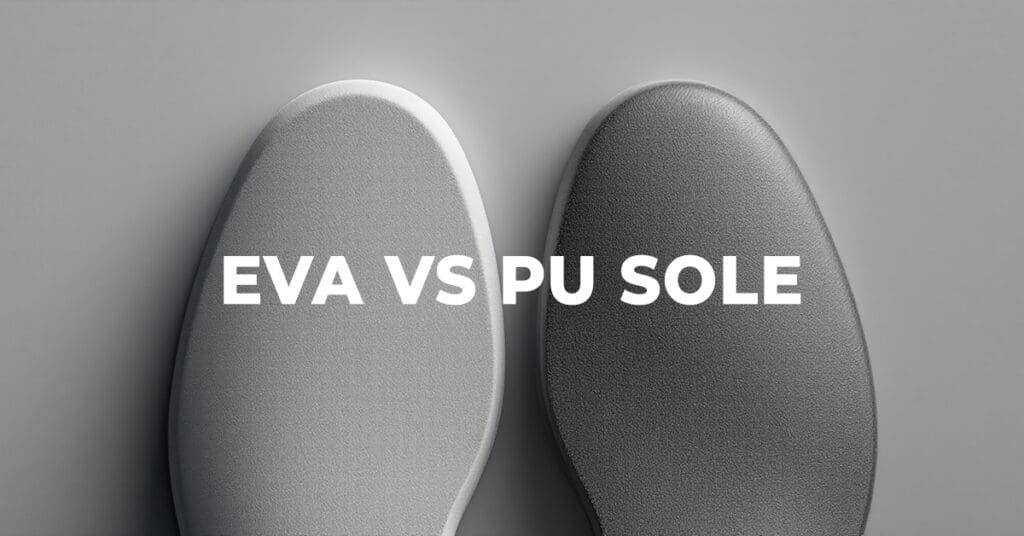
When buying shoes, one common question people ask is: EVA vs PU sole which is better? The sole of a shoe directly affects comfort, durability, weight, and long-term performance. Whether you’re buying sneakers, sandals, or formal shoes, understanding sole materials helps you make a smart decision.
Both EVA (Ethylene Vinyl Acetate) and PU (Polyurethane) are widely used in footwear manufacturing. However, they perform differently depending on usage, environment, and design purpose. During professional product testing and detailed fashion audits, experts evaluate sole performance carefully before recommending one over the other.
Let’s explore the differences clearly and practically.
What Is an EVA Sole?
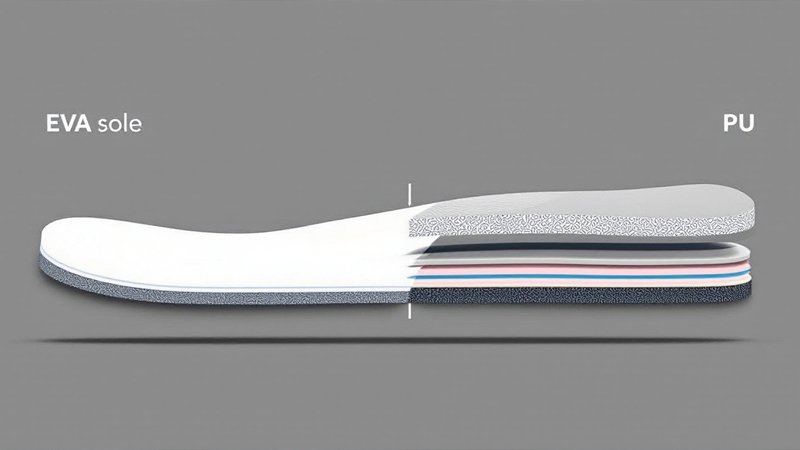
EVA stands for Ethylene Vinyl Acetate. It is a lightweight foam material commonly used in sports shoes and sandals.
Key Features of EVA Soles:
- Extremely lightweight
- Soft cushioning
- Shock-absorbing
- Flexible
- Budget-friendly
Because EVA is foam-based, it provides excellent comfort for daily walking and casual footwear.
What Is a PU Sole?
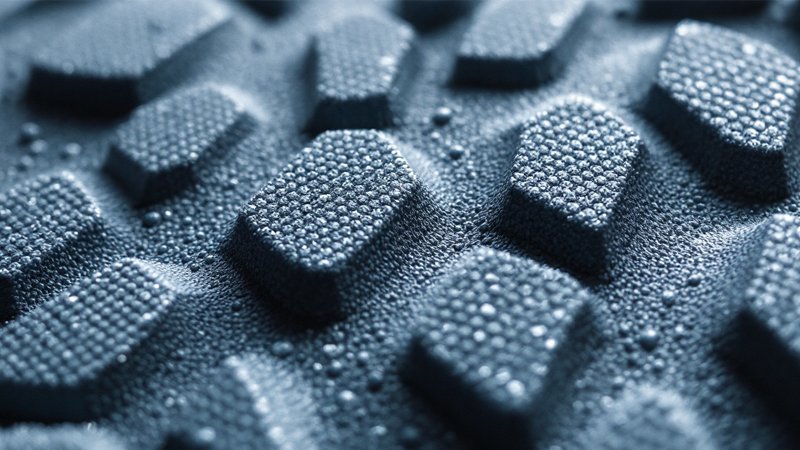
PU stands for Polyurethane. It is a durable and slightly heavier sole material known for strength and resilience.
Key Features of PU Soles:
- Strong and long-lasting
- Good shock absorption
- Oil and abrasion resistant
- Flexible but firm
- Suitable for formal and work shoes
PU soles are often used in safety shoes, formal footwear, and premium products.
EVA vs PU Sole Which Is Better? Key Differences
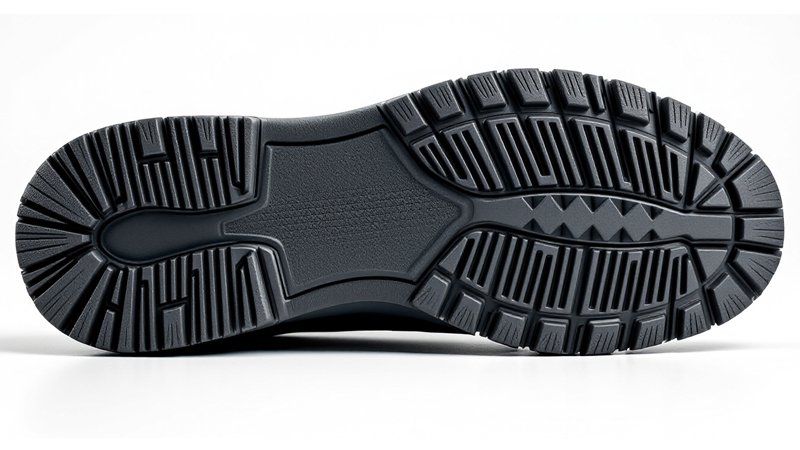
Now let’s compare both materials across important factors.
1️⃣ Weight
EVA soles are lighter than PU soles. If you prefer lightweight footwear, EVA offers a clear advantage.
PU soles feel slightly heavier but provide stronger structure.
2️⃣ Comfort and Cushioning
EVA delivers soft cushioning, making it ideal for sports and casual shoes.
PU also provides cushioning but feels firmer underfoot.
3️⃣ Durability
PU soles generally last longer. They resist wear and tear better, especially on rough surfaces.
EVA soles may compress over time with heavy use.
4️⃣ Shock Absorption
Both materials absorb shock well. However, EVA feels softer, while PU feels more stable and supportive.
5️⃣ Water and Oil Resistance
PU performs better in resisting oil and chemicals, making it suitable for work environments.
EVA handles moisture well but is less resistant to chemicals.
6️⃣ Cost
EVA soles usually cost less to manufacture.
PU soles often increase product price due to durability and strength.
Quick Comparison Table
| Feature | EVA Sole | PU Sole |
|---|---|---|
| Weight | Very lightweight | Moderate |
| Cushioning | Soft | Firm but supportive |
| Durability | Moderate | High |
| Flexibility | High | Moderate |
| Oil Resistance | Low | High |
| Cost | Affordable | Slightly premium |
Which Sole Is Better for Different Uses?
For Sports Shoes:
EVA works better because it is lightweight and flexible.
For Work or Safety Shoes:
PU is better due to durability and resistance.
For Casual Wear:
EVA offers comfort and lightness.
For Formal Shoes:
PU provides a structured and premium feel.
Your choice depends on how you plan to use the footwear.
Environmental Considerations
Both materials are synthetic. However, newer manufacturing techniques aim to reduce waste. During sustainability-focused fashion audits, experts evaluate recyclability and lifespan before assessing environmental performance.
Longer-lasting soles may reduce replacement frequency, which can improve overall sustainability.
Common Mistakes Buyers Make
Many buyers:
- Focus only on softness
- Ignore durability needs
- Choose lightweight soles for heavy-duty work
- Overlook long-term usage
Always match the sole material with your activity level.
FAQs
1. Which sole lasts longer, EVA or PU?
PU generally lasts longer.
2. Is EVA good for daily walking?
Yes, it provides lightweight comfort.
3. Is PU sole heavy?
It is slightly heavier than EVA but more durable.
4. Which is better for safety shoes?
PU soles are better due to strength and resistance.
5. Does EVA compress over time?
Yes, it may lose cushioning with heavy use.
Conclusion: Making the Right Choice
So, EVA vs PU sole which is better? The answer depends on your needs. If you want lightweight comfort and flexibility, EVA is ideal. If you need durability, structure, and long-term performance, PU is the better option.
Choose wisely based on usage, budget, and comfort preference. A well-matched sole improves not just comfort but the overall lifespan of your footwear.