
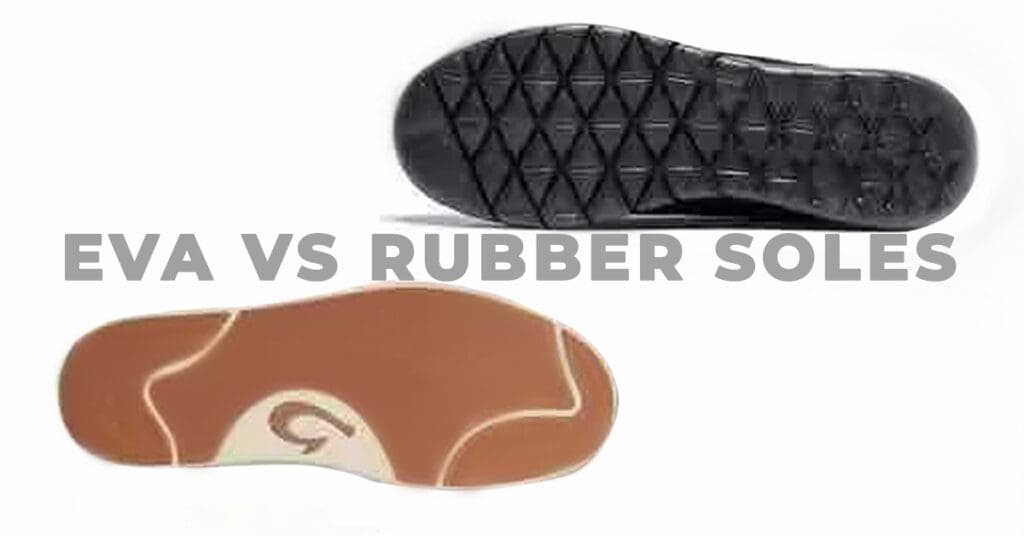
Introduction: The Sole Battle of Modern Footwear
Every step you take depends on one essential detail — the sole. In today’s footwear world, EVA vs Rubber Soles is one of the most debated topics.
Both materials dominate shoe design for different reasons. EVA offers lightweight flexibility and comfort, while rubber ensures durability, grip, and protection.
According to Fashion Audit, 2025 footwear trends revolve around performance meets sustainability — making this comparison more relevant than ever.

1. Understanding the Basics
| Feature | EVA Sole | Rubber Sole |
|---|---|---|
| Full Form | Ethylene Vinyl Acetate | Natural or Synthetic Rubber |
| Weight | Extremely light | Heavier and dense |
| Comfort | Soft and cushioned | Firm but supportive |
| Durability | Moderate | Very high |
| Traction | Average | Excellent |
| Water Resistance | High | Excellent |
| Sustainability | Available in bio-based form | Natural or recycled options |
Fashion Audit Insight: EVA focuses on comfort; rubber focuses on endurance. The best choice depends on your lifestyle.
2. What Is EVA Material?
EVA (Ethylene Vinyl Acetate) is a flexible, lightweight foam material made by combining ethylene and vinyl acetate. It’s soft, cushioning, and ideal for everyday comfort.
Key Advantages of EVA:
- Feather-light construction: Makes shoes easier to wear for long hours.
- Shock-absorbing: Reduces impact on feet and joints.
- Waterproof: Great for wet conditions or beachwear.
- Affordable and moldable: Allows stylish, ergonomic shoe shapes.
Used In: Sports shoes, walking shoes, sandals, and casual sneakers.
Fashion Audit Note: EVA’s airy comfort has made it a must-have in modern footwear design — particularly for travel and athletic lifestyles.
3. What Are Rubber Soles?
Rubber soles are made from either natural or synthetic rubber, prized for their strength, grip, and resistance to water and wear.
Key Advantages of Rubber:
- Exceptional durability: Outlasts most other sole materials.
- Superior traction: Prevents slipping on wet or rough surfaces.
- Heat and abrasion-resistant: Ideal for outdoor conditions.
- All-weather performance: Performs consistently in rain or sun.
Used In: Boots, sneakers, formal shoes, and hiking footwear.
Fashion Audit Observation: Rubber soles are the ultimate choice for longevity — built for people who value endurance over weight.
4. Comfort and Cushioning Comparison
- EVA Soles: Offer a “cloud-like” feel with responsive cushioning. Perfect for light walking or gym sessions.
- Rubber Soles: Provide firm support with solid ground feedback, ideal for stability and balance.
Fashion Audit Tip: For comfort-driven shoes, choose EVA. For structure and grip, go with rubber.
5. Durability & Lifespan
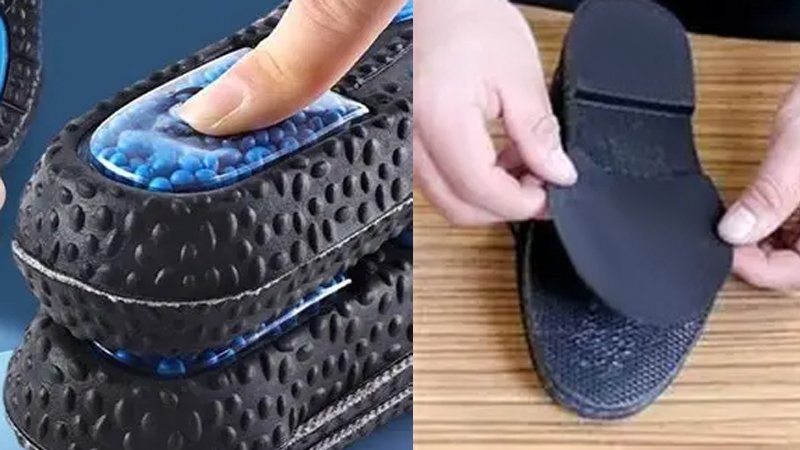
| Criteria | EVA | Rubber |
|---|---|---|
| Lifespan | 2–3 years | 5–10 years |
| Compression Resistance | May flatten with use | Retains shape longer |
| Abrasion Resistance | Moderate | Excellent |
| Heat Resistance | Low | High |
Fashion Audit Verdict: Rubber wins for long-term durability, making it the better option for work or outdoor shoes.
6. Weight and Flexibility
EVA soles are significantly lighter and more flexible than rubber. That’s why many brands use EVA for sports or travel footwear where agility matters.
Rubber, on the other hand, provides structural rigidity, which enhances foot stability — important in boots, formals, and terrain shoes.
Fashion Audit Insight: EVA is freedom in motion; rubber is firmness in protection.
7. Grip and Traction Performance
- EVA Soles: Smooth or patterned lightly — ideal for indoor or dry surfaces.
- Rubber Soles: Deep tread designs provide strong grip on wet or rugged terrain.
If traction is your top priority, rubber soles outperform EVA in almost every condition.
8. Water Resistance and Maintenance
Both EVA and rubber resist water, but rubber is naturally waterproof and more resilient against oil or chemicals.
Care Tips:
- EVA: Clean with a soft brush and avoid extreme heat.
- Rubber: Wipe regularly and apply protectant spray to prevent cracking.
Pro Tip: Avoid leaving EVA soles in direct sunlight — they can shrink slightly under heat.
9. Cost and Value
| Aspect | EVA Soles | Rubber Soles |
|---|---|---|
| Initial Cost | Affordable | Slightly expensive |
| Maintenance Cost | Minimal | Moderate |
| Replacement Frequency | More frequent | Long lifespan |
| Value Over Time | Great short-term | Excellent long-term |
Fashion Audit Note: EVA offers instant comfort at a lower cost; rubber is a one-time investment that lasts.
10. Sustainability and Eco Trends (2025 Edition)
With sustainability shaping fashion choices, both materials are evolving.
EVA Innovations:
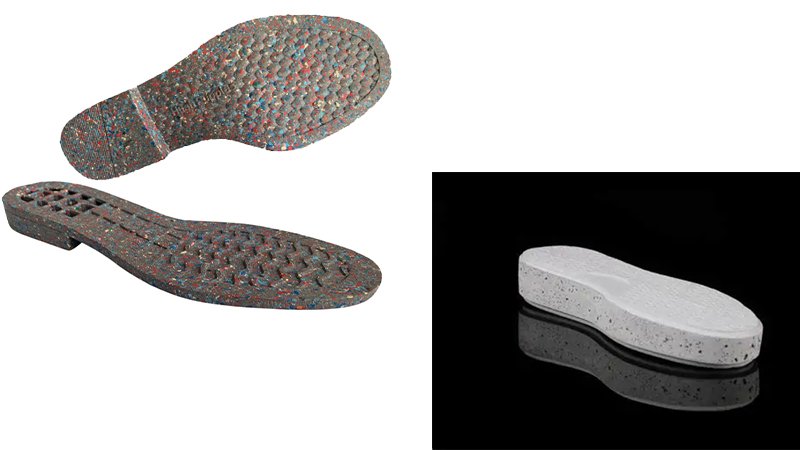
- Bio-EVA: Derived from sugarcane, reducing carbon footprint.
- Recycled EVA Foam: Reused from production waste.
Rubber Innovations:
- Recycled Rubber Soles: Made from old tires and post-use soles.
- Certified Natural Rubber: Harvested sustainably from eco farms.
Fashion Audit Forecast: By 2026, hybrid soles using both bio-EVA and recycled rubber will dominate sustainable footwear design.
(Suggested Image 4 – Eco-friendly shoe sole lineup labeled “Recycled EVA” and “Sustainable Rubber.”)
11. EVA vs Rubber Soles: Best Use by Category
| Shoe Type | Recommended Sole | Reason |
|---|---|---|
| Running / Sports Shoes | EVA | Lightweight, shock-absorbing |
| Hiking Boots | Rubber | Strong grip, long-lasting |
| Formal Shoes | Rubber | Quiet, elegant traction |
| Casual Sneakers | EVA | Flexible and soft |
| Slides / Sandals | EVA | Water-resistant and light |
| Work Boots | Rubber | Heat and oil resistance |
Fashion Audit Tip: Many brands now use dual-layer soles, combining EVA midsoles with rubber outsoles for maximum comfort and grip.
12. Key Pros and Cons
| Material | Pros | Cons |
|---|---|---|
| EVA | Lightweight, soft, affordable | Compresses over time |
| Rubber | Durable, slip-resistant, waterproof | Heavier and costlier |
13. Top Brands Using EVA and Rubber in 2025
| Brand | Sole Material | Highlight Feature |
|---|---|---|
| Nike | EVA + Rubber Hybrid | Lightweight stability |
| Adidas | EVA Foam + Rubber Tread | Energy return + grip |
| Crocs | EVA | Molded comfort |
| Timberland | Rubber | Rugged durability |
| Skechers | EVA | Flexible, cushioned feel |
| Dr. Martens | Rubber | Iconic AirWair sole |
Fashion Audit Observation: The future lies in hybrid sole innovation — where comfort meets durability through material fusion.
FAQs About EVA vs Rubber Soles
1. Which is more durable — EVA or rubber?
Rubber lasts longer and withstands heavy wear better than EVA.
2. Which is more comfortable?
EVA offers softer cushioning and lighter feel for daily wear.
3. Are both waterproof?
Yes, but rubber provides stronger resistance and protection.
4. Which is more eco-friendly?
Bio-based EVA and recycled rubber are both sustainable options.
5. Does Fashion Audit prefer EVA or rubber?
Fashion Audit recommends EVA for activewear and rubber for long-lasting everyday shoes.
Conclusion: Choosing the Right Sole for Your Lifestyle
The EVA vs Rubber Soles debate isn’t about which is better overall — it’s about what’s better for you.
If comfort and lightness matter most, go for EVA. If you need traction, durability, and structure, rubber is unbeatable.
And if you want the best of both worlds — choose hybrid soles.
As Fashion Audit concludes:
“Your journey deserves a sole that supports your rhythm — whether it’s EVA’s cloud-like comfort or rubber’s grounded strength.”
Disclaimer:
All trademarks, logos, product names, and brand identifiers mentioned on FashionAudit.com are the property of their respective owners. They are used solely for the purpose of product review, comparison, and consumer information. FashionAudit.com does not claim any ownership of these marks.
No copyright or trademark infringement is intended. If any brand or rights holder believes their intellectual property has been misused, they can contact us directly and we will address the issue promptly.