
Introduction: India’s Footwear Story Through Time
The Evolution of Indian Footwear Market spans centuries of culture, craftsmanship, economics, and innovation. India’s shoe industry did not begin with factories or global brands—it began with artisans, leather workers, and handmade designs that reflected regional identity.
Today, India is one of the world’s fastest-growing footwear markets, driven by fashion, sports, technology, sustainability, and rising consumer demand. The journey from handcrafted mojris to carbon-plated running shoes is a remarkable story of transition.
As Fashion Audit explains,
“India’s footwear evolution mirrors the country’s economic growth—moving from tradition to modernity while keeping cultural identity intact.”
Early Foundations of Indian Footwear
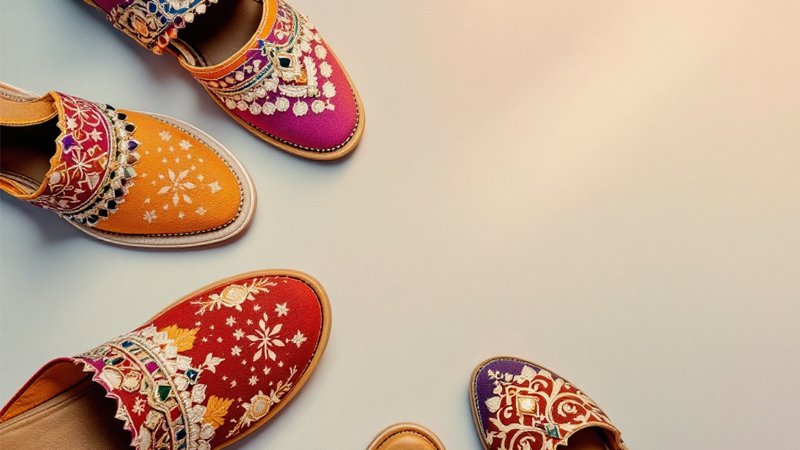
Traditional Footwear Styles (Mojaris, Kolhapuris, Juttis, Padukas)
Indian footwear history begins with regional handcrafted styles such as:
- Mojaris from Rajasthan
- Kolhapuris from Maharashtra
- Punjabi Juttis
- Wooden Padukas worn by sages
These shoes were handmade, often using natural leather, wood, or plant-based fibers. Every region had its own signature craftsmanship.
Ancient Craftsmanship & Community-Based Production
For centuries, hereditary craft communities (like the Mochis and Chamar groups) produced footwear for local markets. Production was small, slow, and deeply rooted in tradition.
These early practices formed the cultural base of the Evolution of Indian Footwear Market.
Industrial Footwear Beginnings (1900–1960)
Colonial Influence on Leather & Factory Footwear
During the British era, large-scale leather tanneries developed in Kanpur, Chennai, and Kolkata. Leather shoes became more common among urban workers and officials.
Rise of Indian Shoe Manufacturing Clusters
By the early 1900s, India started forming manufacturing clusters in:
- Agra
- Kanpur
- Chennai
- Ranipet
- Kolkata
These regions still dominate footwear manufacturing today.
The groundwork for India’s future shoe industry was laid here.
Organized Footwear Growth (1970–1990)
Birth of Major Indian Footwear Brands
This era marked the rise of India’s biggest footwear players:
- Bata India (already established, mass expansion begins)
- Liberty
- Lakhani
- Relaxo Footwear (Sparx, Flite, Bahamas)
These brands made footwear affordable for the masses.
Transition from Tailor-Made to Mass Production
Machines replaced manual stitching.
Factories adopted standardized sizing.
Rubber, PVC, and PU materials became widely used.
This was a turning point in the Evolution of Indian Footwear Market.

Liberalization & Market Expansion (1990–2010)
Entry of Global Brands in India
Post-1991 economic liberalization opened India’s doors to global giants:
- Nike
- Adidas
- Reebok
- Puma
- Skechers
- Lotto
These brands changed the game with advanced cushioning, sports science, and global design trends.
Rise of Sports Footwear Demand
Running, walking, cricket training, and gym culture expanded rapidly.
Indian consumers began valuing performance and comfort.
This phase modernized India’s footwear expectations.
E-Commerce & Digital Revolution (2010–2020)
Online Marketplaces Reshaping Footwear Sales
Platforms like
- Amazon
- Flipkart
- Myntra
- Ajio
made it easy for people to access hundreds of brands instantly.
Growth of D2C Footwear Startups
A new wave of direct-to-consumer (D2C) brands transformed the market:
- Neeman’s
- Thaely
- The Souled Store Footwear
- Flatheads
- Paaduks
These brands used storytelling, innovation, and sustainability to win younger audiences.
As Fashion Audit highlights,
“Digital awareness reshaped India’s footwear buying behaviour more than any single decade before it.”
Sustainability & Innovation (2020–2025)
Eco-Friendly Brands Leading Change
India embraced sustainable footwear through brands like:
- Thaely, using recycled plastic bags
- Neeman’s, using wool and natural fibers
- Paaduks, using upcycled materials
Smart Footwear & Advanced Materials
Recent innovations include:
- Lightweight EVA and TPU
- Air-foam cushioning
- Breathable knit uppers
- Smart sensor-enabled insoles
- 3D-printed midsoles
The Evolution of Indian Footwear Market is now deeply influenced by sustainability and advanced technology.
Top Brands Shaping the Indian Footwear Market
Bata
India’s most recognized everyday footwear brand.
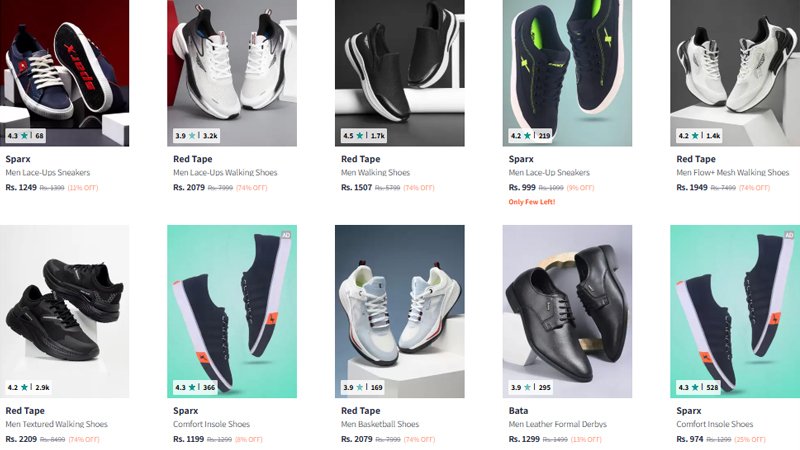
Relaxo (Sparx, Bahamas, Flite)
Huge rural and urban popularity.
Campus
One of India’s fastest-growing sports shoe brands.
Red Tape
Known for leather, sneakers, and budget sports shoes.
Liberty
A long-standing player with broad range offerings.
Consumer Behavior Shifts in India
Rise of Athleisure
Sneakers are now multipurpose—used for office, outings, and lifestyle.
Value & Comfort Drive Purchasing
Indian shoppers prioritize:
- cushioning
- durability
- lightweight design
- affordability
Fashion is important, but comfort dominates decisions.
Modern Footwear Trends Shaping India in 2025
Sports & Walking Footwear
Walking shoes now lead the market.
Indian consumers want arch support and shock absorption.
Lightweight & Sustainable Designs
Materials like knit, mesh, and recycled fibers are trending.
Industry Challenges & Future Opportunities
Raw Material Costs
Leather and rubber prices affect production.
Rise of “Make in India” Manufacturing
Government initiatives boost domestic production and exports.
India is poised to become a global footwear powerhouse.
FAQs About the Evolution of Indian Footwear Market
1. What started the Indian footwear industry?
Traditional leather and handcrafted footwear.
2. When did modern Indian footwear brands appear?
Between 1970–1990.
3. What changed after 1990?
Global brands entered India and expanded sports footwear.
4. What is the biggest trend in 2025?
Athleisure + sustainable footwear.
5. Does Fashion Audit recommend new-age Indian brands?
Yes—especially for value, comfort, and modern materials.
Conclusion: The Future of India’s Footwear Market
The Evolution of Indian Footwear Market tells a story of culture, innovation, and transformation. From handcrafted leather juttis to high-tech sneakers, India has become a dynamic player in the global footwear industry. With sustainability, technology, and digital growth leading the way, the future of Indian footwear looks stronger than ever.
As Fashion Audit concludes:
“India’s footwear journey is a perfect balance of heritage and innovation—a market ready for global leadership.”
Disclaimer:
All trademarks, logos, product names, and brand identifiers mentioned on FashionAudit.com are the property of their respective owners. They are used solely for the purpose of product review, comparison, and consumer information. FashionAudit.com does not claim any ownership of these marks.
No copyright or trademark infringement is intended. If any brand or rights holder believes their intellectual property has been misused, they can contact us directly and we will address the issue promptly.